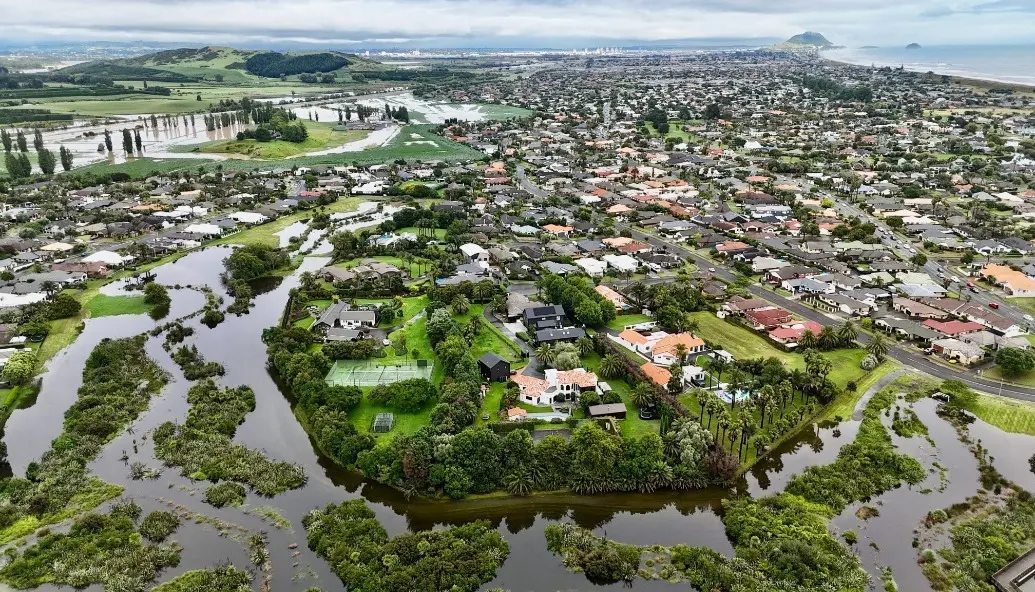
The threat to infrastructure is compounded by the changing nature of precipitation in the region. The government’s analysis indicates that flooding is likely to become more common as extreme rainfall events become more severe. The physics behind this shift is relatively straightforward but the consequences are complex: human-induced warming increases the capacity of the atmosphere to hold moisture. Specifically, the report states that for every 1 degree Celsius of warming, extreme daily rainfall increases by approximately 5% to 8%. This means that as the country continues to warm, the storms it experiences will be capable of dropping significantly more water in shorter periods, overwhelming existing drainage systems and flood defenses. The report further notes that some areas of the country could see what are currently considered "1-in-10-year" rainfall events occurring twice as frequently, effectively doubling the risk of major flood damage for homeowners, farmers, and urban planners.
This shift in rainfall patterns is expected to have a transformative effect on how New Zealand manages its land and water resources. The increased frequency of extreme rain, interspersed with periods of intense heat and potential drought, creates a "yo-yo" effect that can be devastating for the agricultural sector. Soil that has been hardened by a heatwave is less able to absorb sudden, heavy rainfall, leading to increased runoff, topsoil erosion, and flash flooding. This poses a direct threat to the productivity of New Zealand’s primary industries, which are a cornerstone of the national economy. The report suggests that the cost of maintaining and upgrading infrastructure to cope with these more frequent and intense events will be a significant burden for local and national budgets in the decades to come.
The demographic impact of these climate shifts is equally concerning. The 140,000 people identified as being at risk of isolation represent a diverse cross-section of the population, including those in small coastal townships and major regional hubs. For these individuals, the risk of being cut off from emergency services, hospitals, and supermarkets during a flood event is a growing reality. The report highlights that the vulnerability of the business sector is also high, with 15,000 businesses potentially facing disruptions that could range from supply chain delays to the physical destruction of premises. This creates a broader economic risk, as the cost of insurance premiums in high-risk areas is expected to rise, potentially leading to "insurance retreat" where certain regions become uninsurable, further devaluing property and discouraging investment.