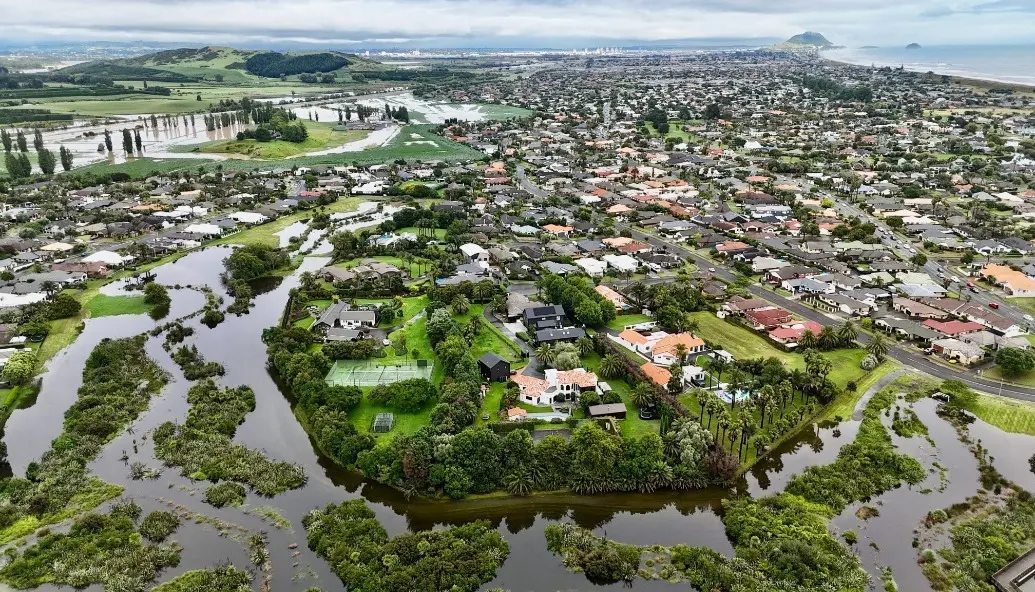
The government’s findings underscore the fact that New Zealand is no longer looking at climate change as a future problem, but as a current and accelerating reality. The record-high levels of carbon dioxide, methane, and nitrous oxide in 2025 serve as a reminder that despite global efforts to curb emissions, the concentration of warming gases in the atmosphere continues to climb. New Zealand’s specific contribution to global emissions may be small, but the report makes it clear that the country is disproportionately affected by certain aspects of warming, such as the rapid heating of the surrounding oceans. The trend of seven of the ten warmest years occurring since 2016 suggests that the baseline for what constitutes a "normal" year is shifting rapidly, leaving less time for ecosystems and infrastructure to recover between extreme events.
The report also touches upon the broader implications of these changes for New Zealand’s unique biodiversity. While the focus on infrastructure and human safety is paramount, the rapid warming of the oceans and the loss of glaciers also threaten the habitats of numerous species that are found nowhere else on Earth. The 34% faster-than-average ocean warming is particularly hazardous for marine life adapted to the traditionally temperate and cold waters of the South Pacific. As water temperatures rise, local species may be forced to migrate further south toward the Antarctic, while invasive species from warmer climates may begin to move into New Zealand waters, potentially outcompeting native flora and fauna.
In conclusion, the New Zealand government’s report serves as a comprehensive warning of the multifaceted threats posed by a warming climate. From the peaks of the Southern Alps where glaciers are thinning, to the coastal roads that serve as vital economic arteries, the impacts of rising temperatures and shifting weather patterns are becoming increasingly evident. The combination of record-breaking greenhouse gas concentrations, rapidly warming oceans, and more volatile rainfall patterns creates a challenging environment for future planning. As the country moves forward, the data suggests that the focus must increasingly turn toward resilience and adaptation, as the frequency of heatwaves and extreme weather events is set to become a defining feature of the New Zealand landscape. The potential for isolation of tens of thousands of people and the disruption of thousands of businesses highlights the urgent need for a robust response to the climate realities documented in this latest assessment.