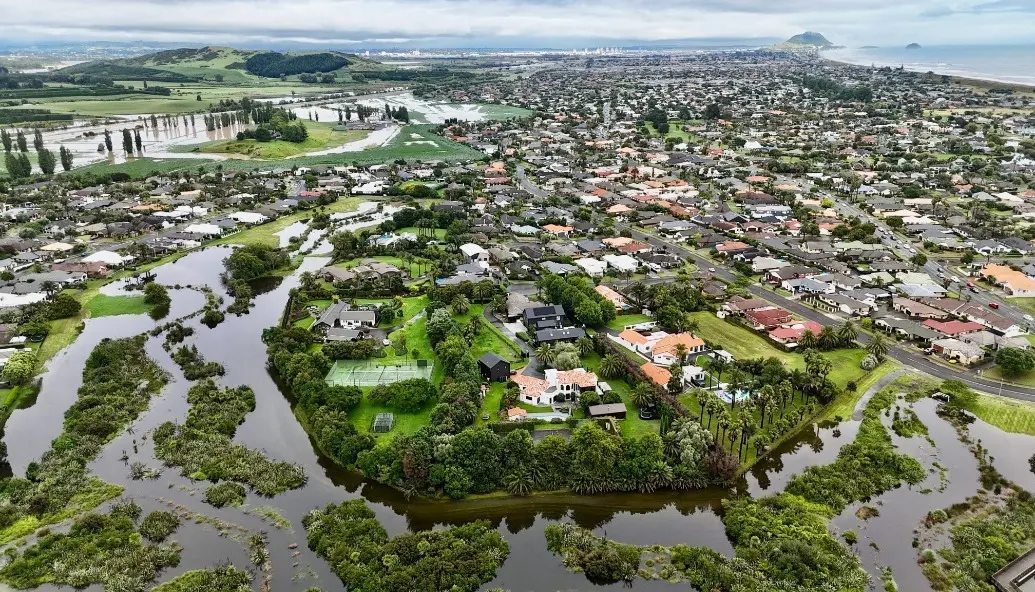
The report emphasizes that the warming is not confined to the land. In a particularly concerning development for a nation so deeply tied to the sea, the waters surrounding New Zealand are warming at a rate 34% faster than the global average. This marine warming has profound implications for the country’s ecological stability, as rising ocean temperatures influence everything from local weather systems to the health of marine biodiversity. The acceleration of ocean warming suggests that the buffering effect typically provided by the vast Southern Ocean may be shifting, leading to more intense and frequent marine heatwaves that can disrupt local fisheries and exacerbate coastal erosion. The report indicates that these oceanic changes are intrinsically linked to the atmospheric shifts observed on land, creating a feedback loop that intensifies the overall warming experienced across the islands.
Perhaps the most visible and symbolic victim of this warming trend is the country’s iconic glacial landscape. The New Zealand government warns that the current trajectory puts the nation at risk of catastrophic glacier melts in the near future. These glaciers, which are vital sources of freshwater and significant drivers of regional tourism, have been retreating for decades, but the pace of loss is expected to accelerate as heatwaves become more common. The loss of these ice masses is not merely an aesthetic or environmental concern; it represents a fundamental change in the hydrological cycle of the South Island, potentially affecting water availability for agriculture and hydroelectric power generation during the drier summer months. As the permanent snowline continues to recede, the stability of alpine environments is also called into question, with the report suggesting that the increased frequency of extreme heat will likely lead to more frequent landslide events and changes in high-altitude ecosystems.
Beyond the natural environment, the report provides a detailed assessment of how climate change is beginning to compromise New Zealand’s man-made infrastructure. One of the most significant findings involves the vulnerability of the national transport network. Approximately 1% of New Zealand’s road network is now classified as being exposed to coastal flooding, a figure that may seem small in isolation but carries immense socio-economic weight. This exposure threatens to isolate approximately 140,000 people and 15,000 businesses from essential goods and services. In many of New Zealand’s more remote or coastal regions, road networks are the only viable lifelines for the delivery of food, medical supplies, and commercial products. The report suggests that even temporary closures due to flooding can lead to significant economic disruption, while permanent damage could necessitate the relocation of entire communities or the construction of expensive new inland routes.
The threat to infrastructure is compounded by the changing nature of precipitation in the region. The government’s analysis indicates that flooding is likely to become more common as extreme rainfall events become more severe. The physics behind this shift is relatively straightforward but the consequences are complex: human-induced warming increases the capacity of the atmosphere to hold moisture. Specifically, the report states that for every 1 degree Celsius of warming, extreme daily rainfall increases by approximately 5% to 8%. This means that as the country continues to warm, the storms it experiences will be capable of dropping significantly more water in shorter periods, overwhelming existing drainage systems and flood defenses. The report further notes that some areas of the country could see what are currently considered "1-in-10-year" rainfall events occurring twice as frequently, effectively doubling the risk of major flood damage for homeowners, farmers, and urban planners.
This shift in rainfall patterns is expected to have a transformative effect on how New Zealand manages its land and water resources. The increased frequency of extreme rain, interspersed with periods of intense heat and potential drought, creates a "yo-yo" effect that can be devastating for the agricultural sector. Soil that has been hardened by a heatwave is less able to absorb sudden, heavy rainfall, leading to increased runoff, topsoil erosion, and flash flooding. This poses a direct threat to the productivity of New Zealand’s primary industries, which are a cornerstone of the national economy. The report suggests that the cost of maintaining and upgrading infrastructure to cope with these more frequent and intense events will be a significant burden for local and national budgets in the decades to come.
The demographic impact of these climate shifts is equally concerning. The 140,000 people identified as being at risk of isolation represent a diverse cross-section of the population, including those in small coastal townships and major regional hubs. For these individuals, the risk of being cut off from emergency services, hospitals, and supermarkets during a flood event is a growing reality. The report highlights that the vulnerability of the business sector is also high, with 15,000 businesses potentially facing disruptions that could range from supply chain delays to the physical destruction of premises. This creates a broader economic risk, as the cost of insurance premiums in high-risk areas is expected to rise, potentially leading to "insurance retreat" where certain regions become uninsurable, further devaluing property and discouraging investment.
The government’s findings underscore the fact that New Zealand is no longer looking at climate change as a future problem, but as a current and accelerating reality. The record-high levels of carbon dioxide, methane, and nitrous oxide in 2025 serve as a reminder that despite global efforts to curb emissions, the concentration of warming gases in the atmosphere continues to climb. New Zealand’s specific contribution to global emissions may be small, but the report makes it clear that the country is disproportionately affected by certain aspects of warming, such as the rapid heating of the surrounding oceans. The trend of seven of the ten warmest years occurring since 2016 suggests that the baseline for what constitutes a "normal" year is shifting rapidly, leaving less time for ecosystems and infrastructure to recover between extreme events.
The report also touches upon the broader implications of these changes for New Zealand’s unique biodiversity. While the focus on infrastructure and human safety is paramount, the rapid warming of the oceans and the loss of glaciers also threaten the habitats of numerous species that are found nowhere else on Earth. The 34% faster-than-average ocean warming is particularly hazardous for marine life adapted to the traditionally temperate and cold waters of the South Pacific. As water temperatures rise, local species may be forced to migrate further south toward the Antarctic, while invasive species from warmer climates may begin to move into New Zealand waters, potentially outcompeting native flora and fauna.
In conclusion, the New Zealand government’s report serves as a comprehensive warning of the multifaceted threats posed by a warming climate. From the peaks of the Southern Alps where glaciers are thinning, to the coastal roads that serve as vital economic arteries, the impacts of rising temperatures and shifting weather patterns are becoming increasingly evident. The combination of record-breaking greenhouse gas concentrations, rapidly warming oceans, and more volatile rainfall patterns creates a challenging environment for future planning. As the country moves forward, the data suggests that the focus must increasingly turn toward resilience and adaptation, as the frequency of heatwaves and extreme weather events is set to become a defining feature of the New Zealand landscape. The potential for isolation of tens of thousands of people and the disruption of thousands of businesses highlights the urgent need for a robust response to the climate realities documented in this latest assessment.