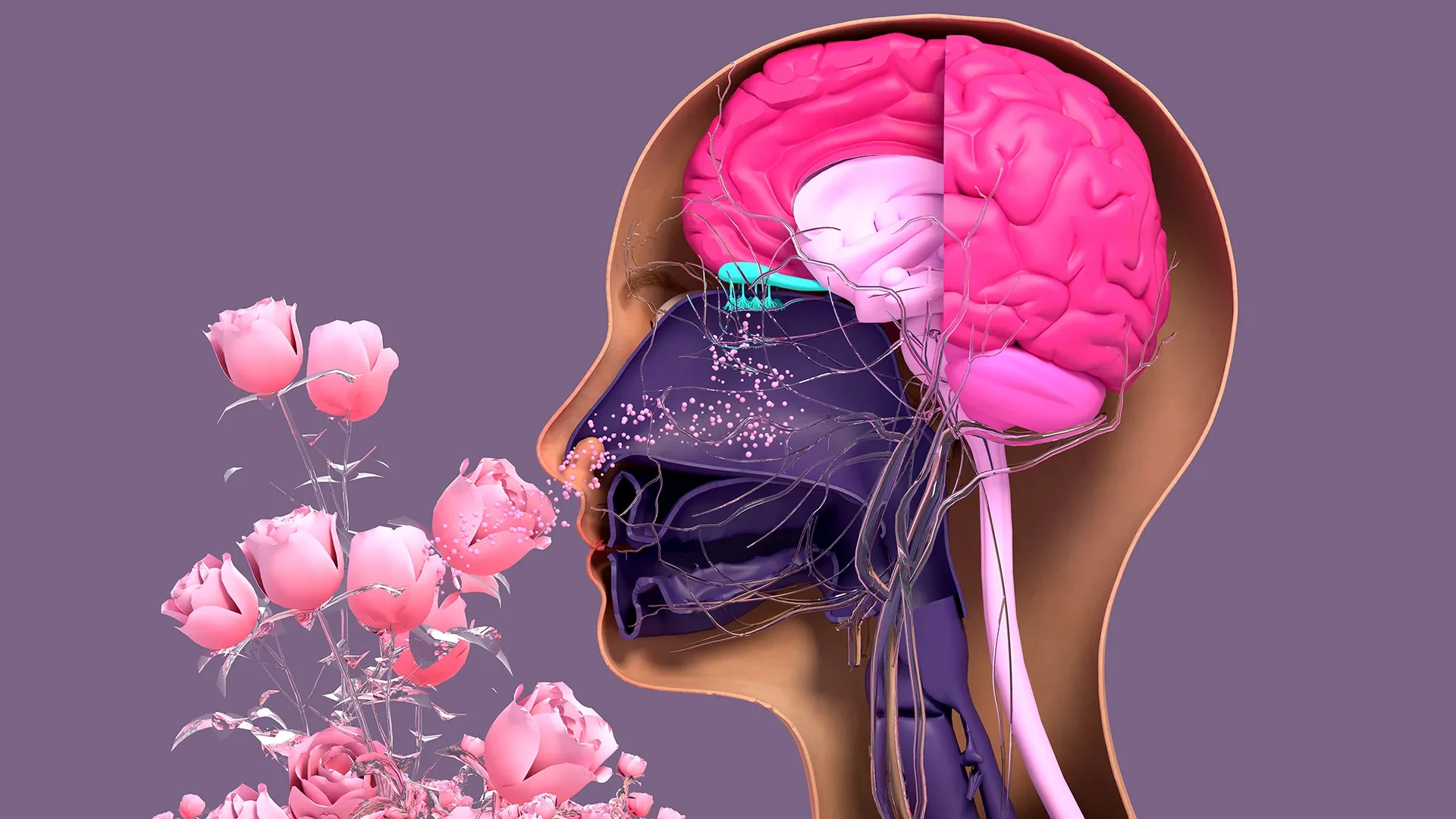
In the intricate landscape of the human sensory system, the sense of smell often operates as a silent sentinel, grounding us in our environment, alerting us to danger, and enriching the tapestry of memory and emotion. Yet, despite its importance, the biological mechanisms that allow the nose to repair itself after injury or illness have long remained partially obscured. Now, a breakthrough study from researchers at Tufts University School of Medicine and the Graduate School of Biomedical Sciences (GSBS) is shedding new light on the regenerative potential of the nasal cavity.
Using a sophisticated, newly devised three-dimensional model to study the regeneration of nerve tissue in the nose, the research team, in collaboration with international colleagues, has made a discovery that challenges long-held assumptions in the field of olfactory science. Their findings reveal that a specific type of stem cell, previously dismissed by many as largely dormant or inactive, may actually play a cornerstone role in preserving and restoring the sense of smell.
This discovery centers on the remarkable resilience of the olfactory system. Unlike the delicate cells of the central nervous system—such as those found in the brain and spinal cord, which possess a notoriously limited capacity for repair—the sensory neurons located within the nasal cavity are biological anomalies. They possess a profound and persistent ability to regenerate throughout a person’s life. This constant state of renewal is a biological necessity; because these neurons are situated in the nasal passages, they are under near-constant assault from the outside environment, exposed to everything from allergens and pollutants to bacteria and viral pathogens.
However, this regenerative engine is not invincible. Factors such as severe viral infections—a reality made globally prominent by the COVID-19 pandemic—prolonged exposure to environmental toxins, and the inevitable process of aging can significantly hamper the function of these cells. When the neurons or the stem cells responsible for replacing them lose their ability to replicate or function, the result is often a partial or complete loss of smell, known respectively as hyposmia or anosmia. To better understand these failures and find ways to reverse them, the Tufts team developed a new, easy-to-create, three-dimensional olfactory tissue mouse model, or "organoid."
Their research, which was recently published in the journal Cell Reports Methods, utilizes this mouse-based organoid to map the complex communication network between the various stem cells that inhabit the nose. Specifically, the study focuses on the interplay between two primary types of stem cells: horizontal basal cells (HBCs) and globose basal cells (GBCs). By observing these cells in a controlled, three-dimensional environment, the researchers were able to see how they support one another to cultivate new, functional, smell-sensing nerve tissue.
"Our research suggests that these two stem cells may be interdependent," says Brian Lin, the senior author of the study and a research assistant professor in the Department of Developmental, Molecular and Chemical Biology at Tufts. "One type that we thought was largely dormant—HBCs—may actually play a crucial role in supporting the production of new neurons and the repair of damaged tissue."
For years, the scientific consensus had largely favored the globose basal cells (GBCs) as the primary drivers of everyday neuronal replacement, viewing the horizontal basal cells (HBCs) as a reserve population that only activated under conditions of extreme tissue damage. However, the Tufts model provided a more nuanced perspective. By utilizing the organoid, the team identified a specific subpopulation of HBCs that are characterized by their production of a protein known as KRT5.
The researchers observed that these KRT5-producing HBCs were not merely sitting on the sidelines. Instead, they were active participants in the formation of the organoids and the subsequent generation of new olfactory neurons. To test the importance of these cells, the team performed a selective depletion experiment, removing these specific HBCs from the organoid cultures. The results were stark: without these "dormant" cells, the generation of new neurons was significantly impaired. These findings suggest that HBCs are far more than a backup system; they are essential players in the day-to-day regenerative process, providing a necessary foundation or signaling environment that allows the olfactory system to maintain its function.
The implications of this study extend beyond the basic understanding of cell biology; they offer a potential window into the mechanics of sensory decline. As we age, our ability to taste and smell often diminishes, which can lead to decreased appetite, poor nutrition, and a lower quality of life. The Tufts team used their 3D model to investigate this phenomenon by comparing cells from mice of different ages.