While the current mouse-tissue model has provided groundbreaking insights, the Tufts researchers are already looking toward the next horizon: the development of a human-based olfactory organoid. The transition from animal models to human tissue is a critical step in the journey toward clinical applications.
The ultimate goal is to create a human organoid that can serve as a high-fidelity platform for drug screening. Such a tool would allow scientists to test thousands of potential compounds to see which ones might stimulate the regeneration of olfactory neurons or protect them from damage. This could lead to the development of nasal sprays or other treatments for patients whose sense of smell has been eradicated by chronic illness, trauma, or aging.
However, creating a human version of the nasal organoid presents a unique set of challenges that were not present in the mouse model. One of the primary obstacles is the difficulty of obtaining pure olfactory tissue from human subjects.
"It’s challenging to get pure olfactory tissue from humans," Lin notes. Currently, the process of collecting these cells is invasive and technically difficult. Patients are typically anesthetized, and a medical professional must use a specialized brush—similar to the long wands used for COVID-19 PCR tests—to reach deep into the uppermost reaches of the nasal cavity.
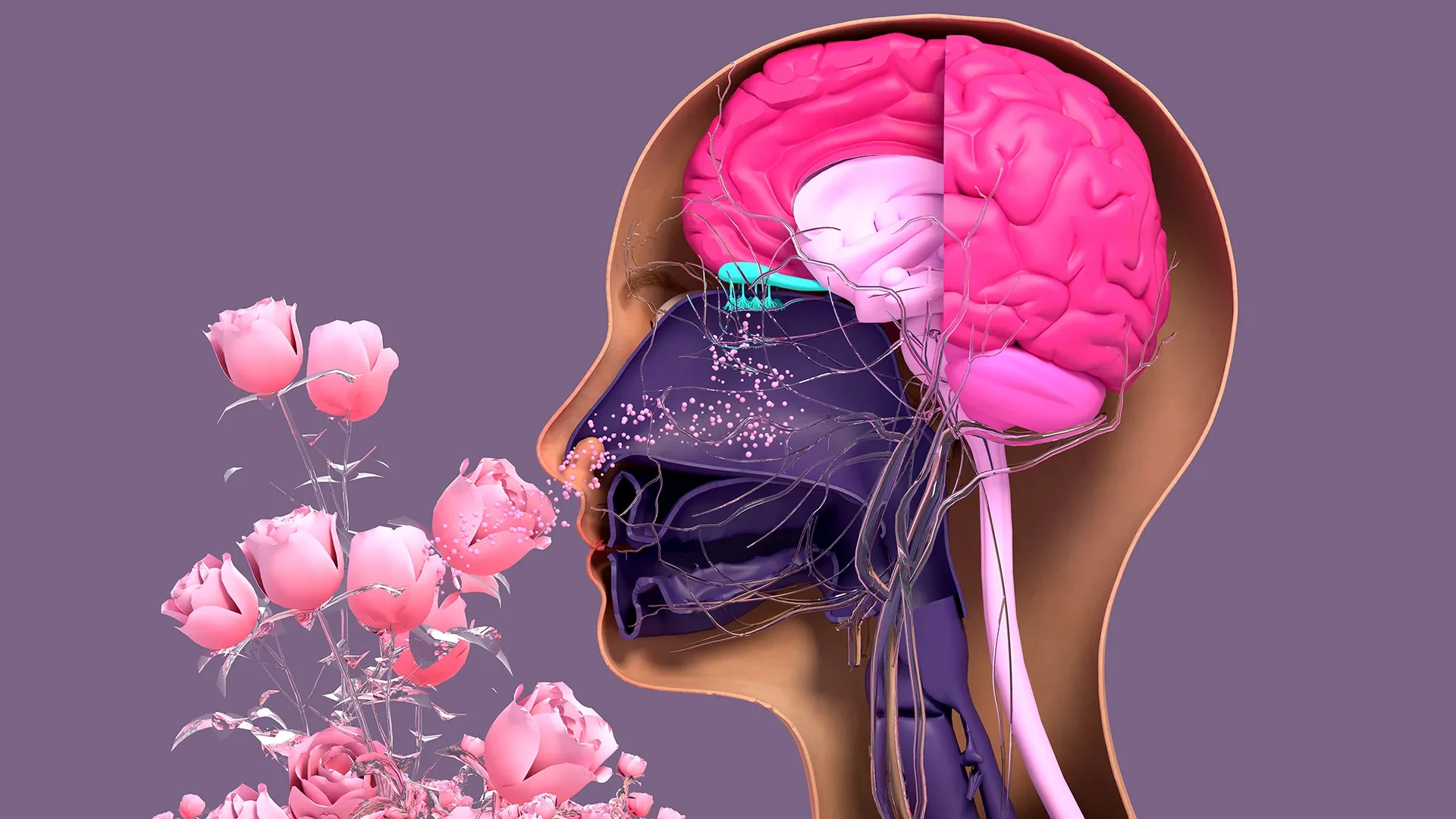
The problem lies in the geography of the nose. The olfactory epithelium, where the smell-sensing neurons live, is situated very close to the respiratory epithelium, which is responsible for moving air and mucus. When a sample is taken, it almost inevitably contains a mixture of both types of stem cells. Unlike in the mouse model, where researchers can more easily isolate specific tissues, human respiratory and olfactory stem cells are notoriously difficult to separate once they have been collected.
The research team’s next challenge is to bridge this gap. They are currently working to develop a simple, inexpensive technique that would allow labs to separate these human olfactory stem cells from their respiratory counterparts and successfully coax them to grow into 3D structures in the laboratory.
If successful, this work could revolutionize the field of regenerative medicine. By moving beyond two-dimensional cell cultures and whole-animal testing, human organoids offer a middle ground that is quicker, less expensive, and potentially more predictive of human responses during clinical trials. While organoids have already been successfully developed for organs like the lungs and kidneys, the olfactory system has remained a difficult frontier—until now.
The findings from Tufts University provide a roadmap for understanding the "dormant" potential within our own bodies. By revealing the interdependence of stem cells and providing the scientific community with the tools to study them, Lin and his colleagues are paving the way for a future where the loss of smell is no longer an irreversible consequence of age or illness, but a treatable condition. As the team continues to refine their models and move toward human applications, the silent work of the horizontal basal cells may finally be given the recognition it deserves in the story of human health and recovery.