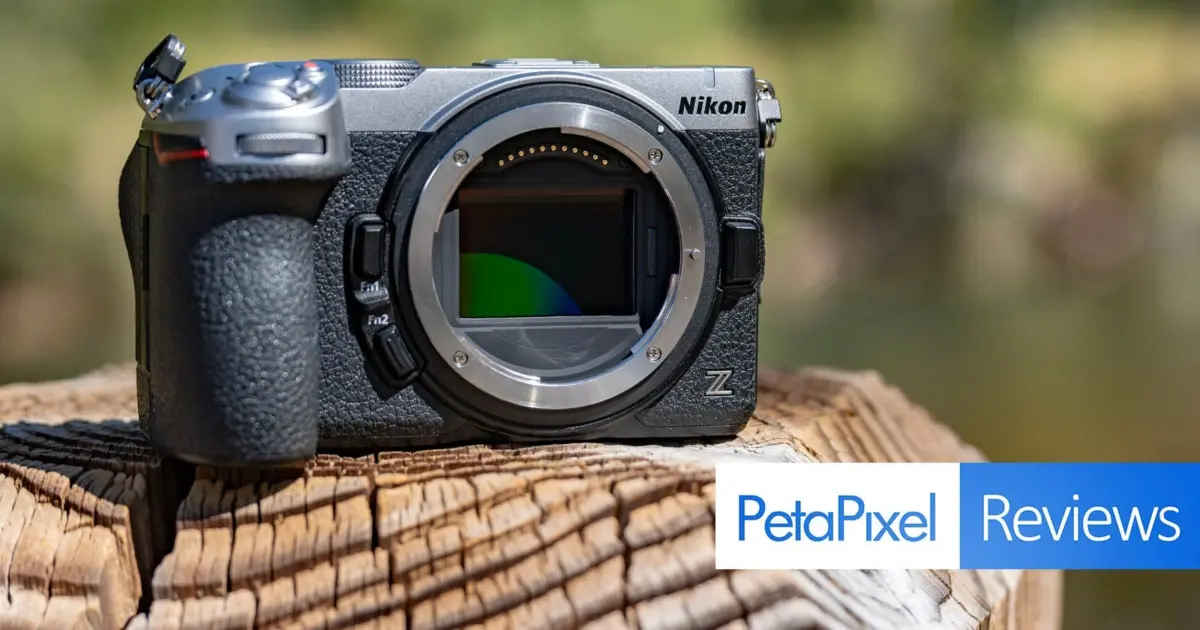
When Nikon launched the Z5 II in early 2025, it quickly established itself as a benchmark for what a modern, entry-level full-frame camera could achieve. However, that capability came with a literal price; at $1,849, the Z5 II pushed the boundaries of the "entry-level" designation, leaving a significant gap in the market for those seeking full-frame quality at a more accessible price point. To address this, Nikon has introduced the Z5 IIC, priced at a much more aggressive $1,399. This newer sibling is essentially a leaner, more stylish, and more affordable iteration of the Z5 II, but it arrives with a design choice that is already proving divisive: the complete removal of the electronic viewfinder (EVF).
To determine whether the Z5 IIC remains a viable tool for serious image-makers or if the lack of a viewfinder is a compromise too far, we took the camera through a rigorous testing period. This journey spanned the bustling, high-contrast streets of San Francisco and the sweeping, unpredictable landscapes of Yosemite National Park. The results reveal a camera that is remarkably capable in terms of internal technology, even as it forces users to rethink their fundamental shooting habits.
Design and Ergonomics: Striking a New Profile
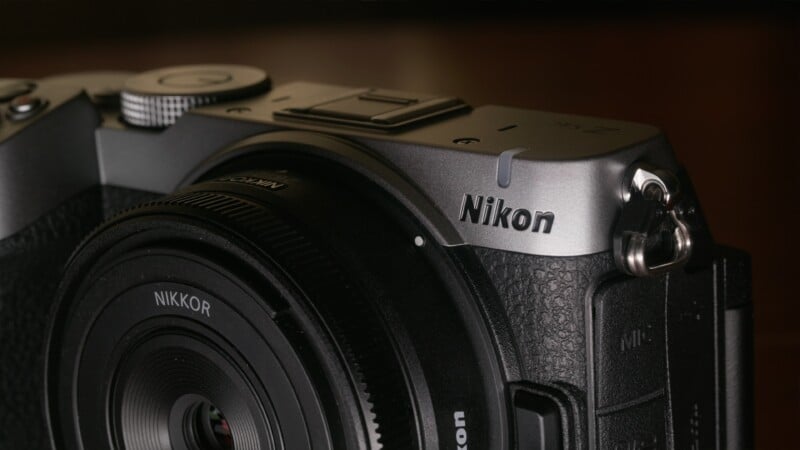
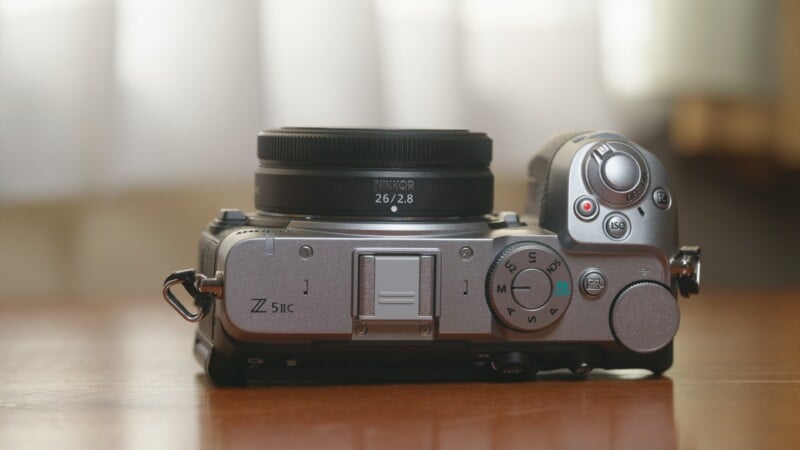
The first thing one notices about the Nikon Z5 IIC is its silhouette. By removing the EVF housing, Nikon has achieved a flat top plate that gives the camera a sleek, rangefinder-adjacent aesthetic. This is particularly effective on the silver model, which leans into a vintage charm that distinguishes it from the more utilitarian, DSLR-styled bodies of the rest of the Z-mount lineup.
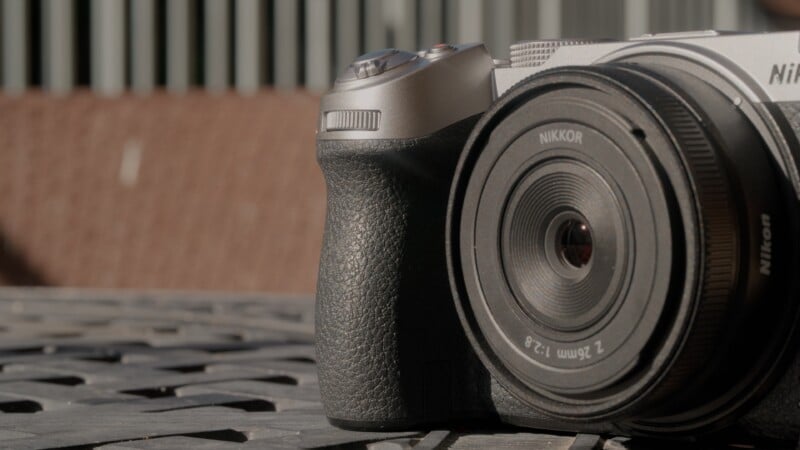
Beyond the aesthetics, the removal of the viewfinder has a practical impact on the camera’s footprint and weight. The Z5 IIC weighs in at approximately 22 ounces (620 grams), making it noticeably lighter than the 24.7-ounce (700-gram) Z5 II. In the hand, the difference is palpable, especially during long days of hiking through Yosemite’s backcountry. Despite the reduction in size, Nikon has wisely retained a substantial handgrip. This is a significant ergonomic advantage over competitors like the Panasonic S9; the Z5 IIC remains comfortable and balanced even when paired with larger, professional-grade Nikkor Z lenses.
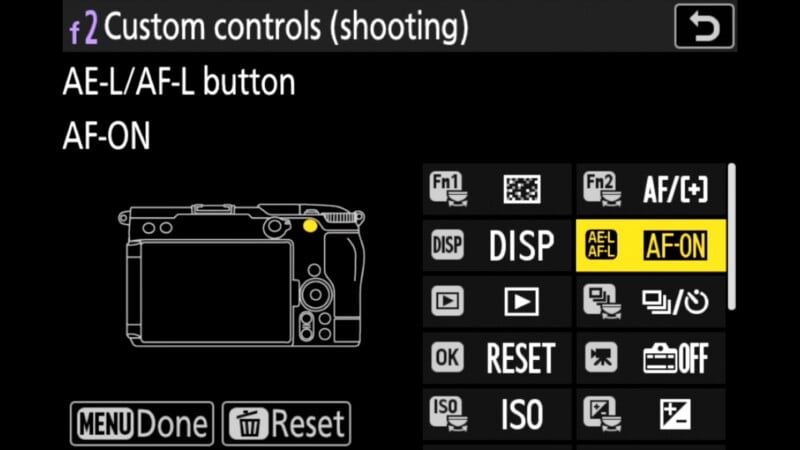
However, the pursuit of a smaller form factor has necessitated some changes to the control layout. The dedicated AF-ON button and the physical joystick for autofocus point selection—staples of the Z5 II—are gone. In practice, the loss of the AF-ON button is mitigated by the well-placed Focus/Exposure Lock button, which can be easily reprogrammed to handle back-button focus. The absence of a joystick is a larger hurdle, but Nikon’s robust 3D tracking system does much of the heavy lifting. Additionally, the "OK" button can be used to quickly re-center the focus point, a workflow that becomes second nature after a few hours of use.
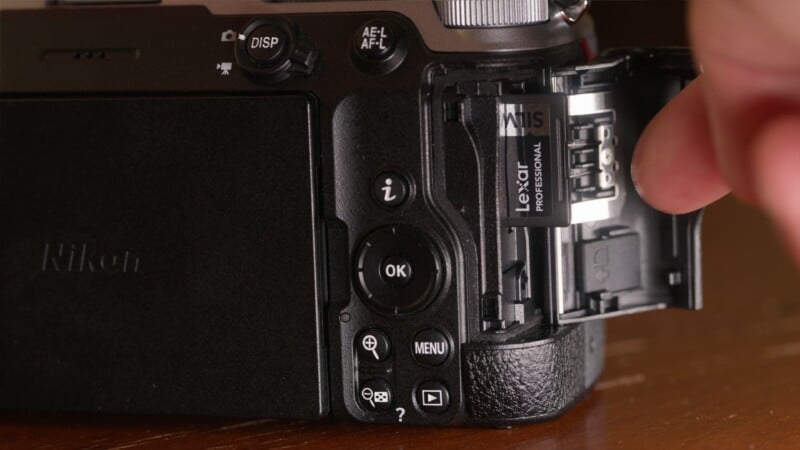
Power is provided by the ubiquitous EN-EL15C battery, the same cell found in Nikon’s high-end full-frame mirrorless cameras. While it carries a CIPA rating of 350 shots per charge, real-world testing proved much more fruitful. During a full day of shooting landscapes and street scenes, the camera easily cleared 700 frames on a single charge. Storage is handled via a single UHS-II SD card slot. While professionals who demand redundant "overflow" or "backup" recording may find the single slot a dealbreaker, it is a standard trade-off for a camera in this price bracket and size.
The Viewfinder Omission and the Display Experience
The most significant talking point of the Z5 IIC is undoubtedly the lack of an EVF. For many photographers, the viewfinder is not just a tool for composition; it is a way to isolate themselves from the environment and focus entirely on the frame. It also serves as a critical third point of contact for stabilizing the camera against the face.

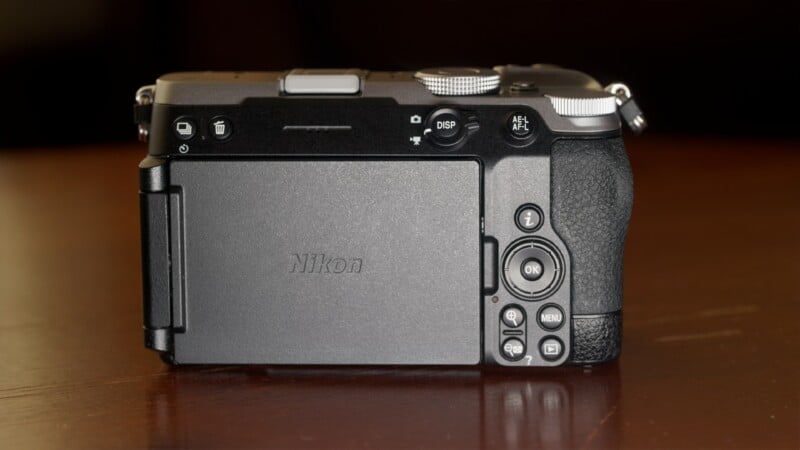
Using the Z5 IIC in the field often led to a "phantom limb" sensation—repeatedly bringing the camera to the eye only to hit the forehead against a flat metal plate. In the bright, unforgiving midday sun of Yosemite, the lack of an EVF made composition more difficult. While the 3.2-inch fully articulating LCD is bright enough to remain usable in direct sunlight, it cannot match the clarity of a shielded viewfinder.