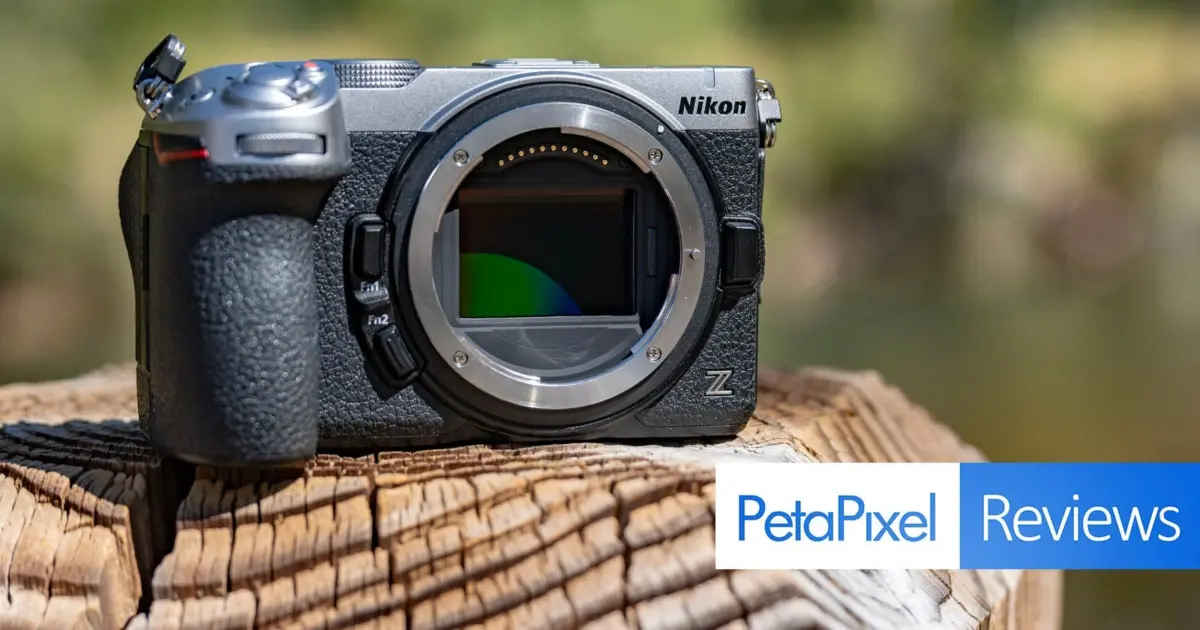
When Nikon launched the Z5 II in early 2025, it quickly established itself as a benchmark for what a modern, entry-level full-frame camera could achieve. However, that capability came with a literal price; at $1,849, the Z5 II pushed the boundaries of the "entry-level" designation, leaving a significant gap in the market for those seeking full-frame quality at a more accessible price point. To address this, Nikon has introduced the Z5 IIC, priced at a much more aggressive $1,399. This newer sibling is essentially a leaner, more stylish, and more affordable iteration of the Z5 II, but it arrives with a design choice that is already proving divisive: the complete removal of the electronic viewfinder (EVF).
To determine whether the Z5 IIC remains a viable tool for serious image-makers or if the lack of a viewfinder is a compromise too far, we took the camera through a rigorous testing period. This journey spanned the bustling, high-contrast streets of San Francisco and the sweeping, unpredictable landscapes of Yosemite National Park. The results reveal a camera that is remarkably capable in terms of internal technology, even as it forces users to rethink their fundamental shooting habits.
Design and Ergonomics: Striking a New Profile
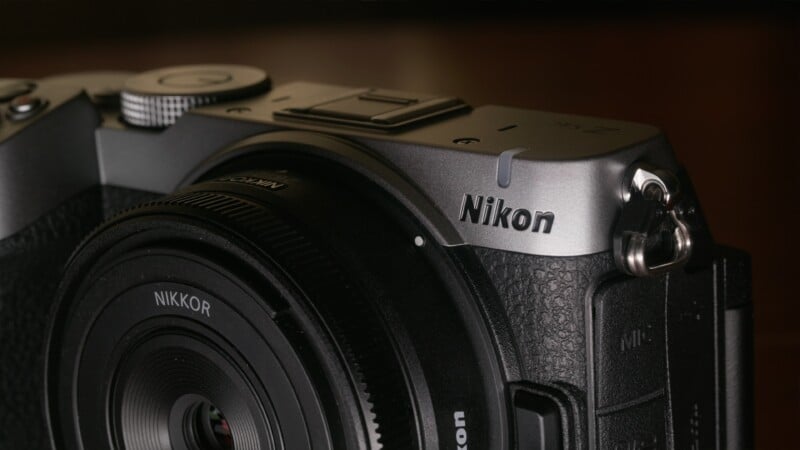
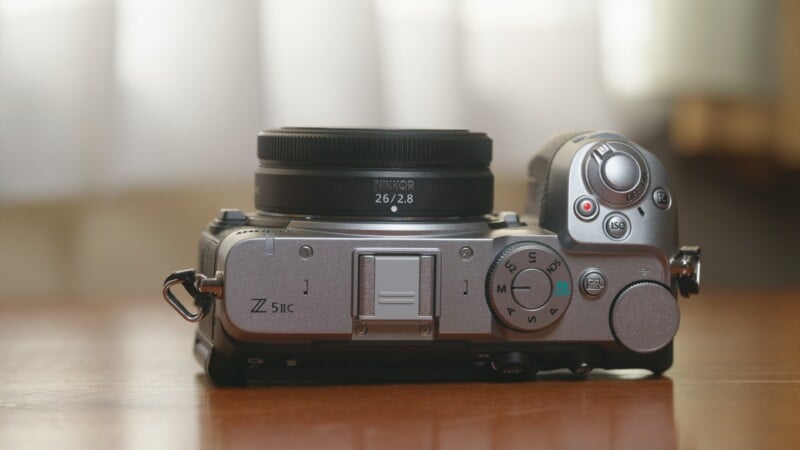
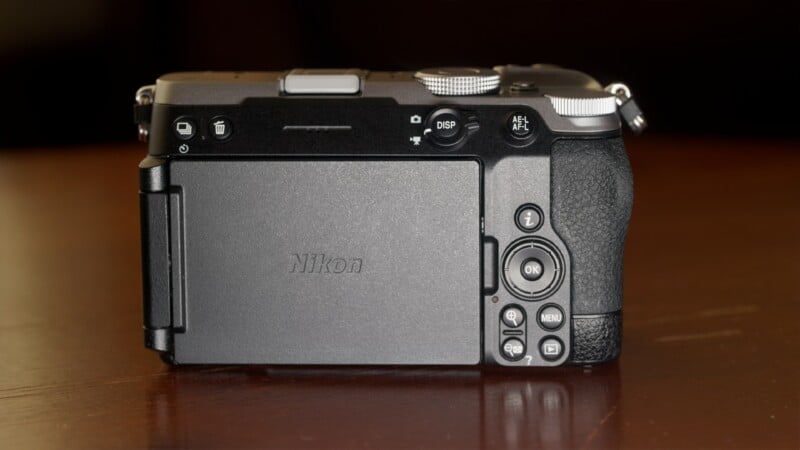
The first thing one notices about the Nikon Z5 IIC is its silhouette. By removing the EVF housing, Nikon has achieved a flat top plate that gives the camera a sleek, rangefinder-adjacent aesthetic. This is particularly effective on the silver model, which leans into a vintage charm that distinguishes it from the more utilitarian, DSLR-styled bodies of the rest of the Z-mount lineup.
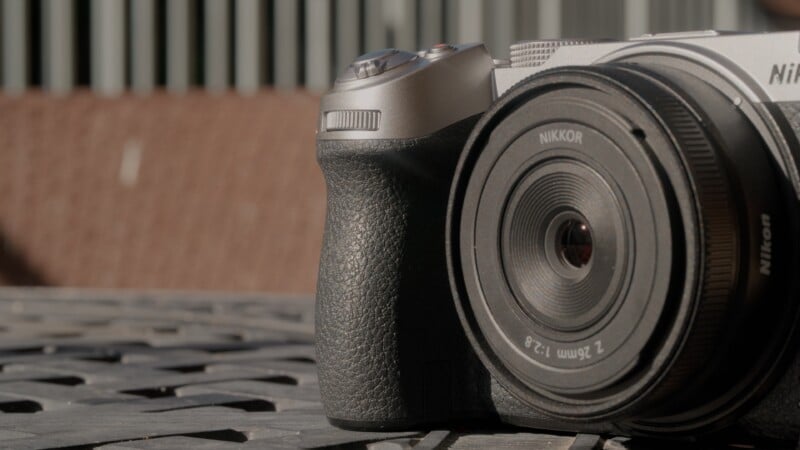
Beyond the aesthetics, the removal of the viewfinder has a practical impact on the camera’s footprint and weight. The Z5 IIC weighs in at approximately 22 ounces (620 grams), making it noticeably lighter than the 24.7-ounce (700-gram) Z5 II. In the hand, the difference is palpable, especially during long days of hiking through Yosemite’s backcountry. Despite the reduction in size, Nikon has wisely retained a substantial handgrip. This is a significant ergonomic advantage over competitors like the Panasonic S9; the Z5 IIC remains comfortable and balanced even when paired with larger, professional-grade Nikkor Z lenses.
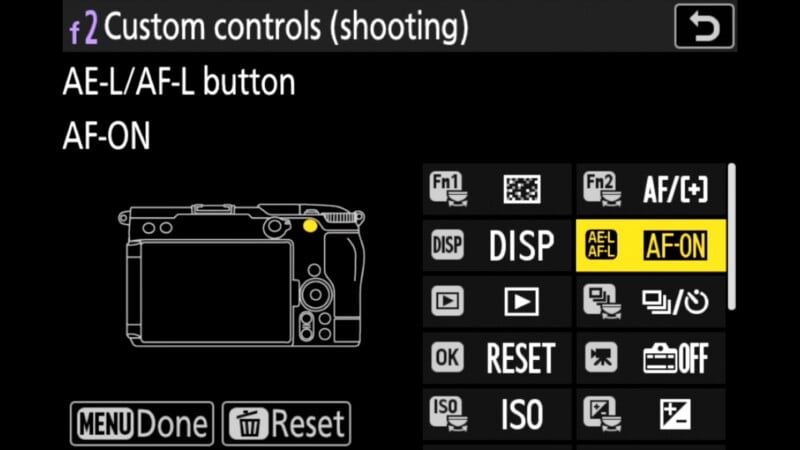
However, the pursuit of a smaller form factor has necessitated some changes to the control layout. The dedicated AF-ON button and the physical joystick for autofocus point selection—staples of the Z5 II—are gone. In practice, the loss of the AF-ON button is mitigated by the well-placed Focus/Exposure Lock button, which can be easily reprogrammed to handle back-button focus. The absence of a joystick is a larger hurdle, but Nikon’s robust 3D tracking system does much of the heavy lifting. Additionally, the "OK" button can be used to quickly re-center the focus point, a workflow that becomes second nature after a few hours of use.
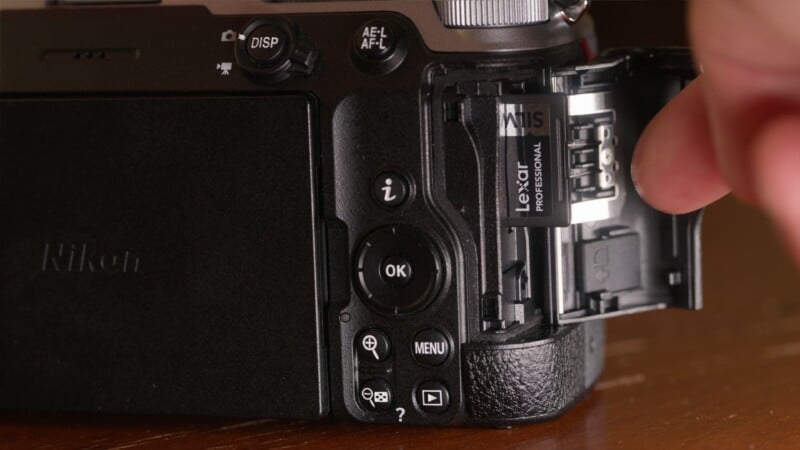
Power is provided by the ubiquitous EN-EL15C battery, the same cell found in Nikon’s high-end full-frame mirrorless cameras. While it carries a CIPA rating of 350 shots per charge, real-world testing proved much more fruitful. During a full day of shooting landscapes and street scenes, the camera easily cleared 700 frames on a single charge. Storage is handled via a single UHS-II SD card slot. While professionals who demand redundant "overflow" or "backup" recording may find the single slot a dealbreaker, it is a standard trade-off for a camera in this price bracket and size.
The Viewfinder Omission and the Display Experience
The most significant talking point of the Z5 IIC is undoubtedly the lack of an EVF. For many photographers, the viewfinder is not just a tool for composition; it is a way to isolate themselves from the environment and focus entirely on the frame. It also serves as a critical third point of contact for stabilizing the camera against the face.

Using the Z5 IIC in the field often led to a "phantom limb" sensation—repeatedly bringing the camera to the eye only to hit the forehead against a flat metal plate. In the bright, unforgiving midday sun of Yosemite, the lack of an EVF made composition more difficult. While the 3.2-inch fully articulating LCD is bright enough to remain usable in direct sunlight, it cannot match the clarity of a shielded viewfinder.
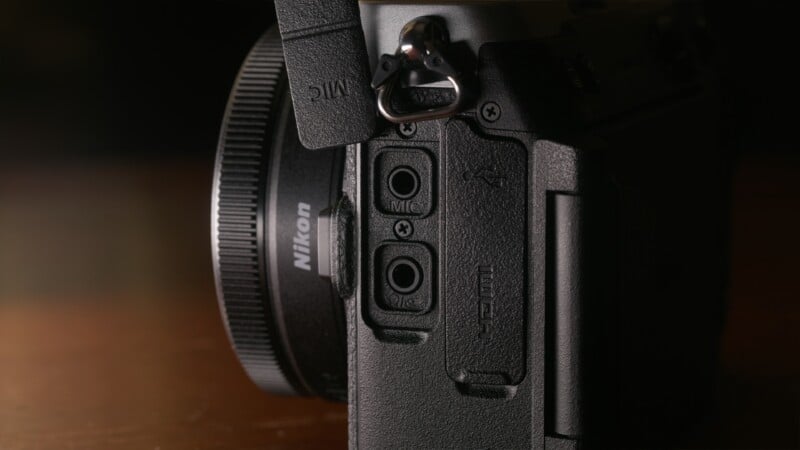
Furthermore, Nikon has downgraded the resolution of the LCD itself, dropping from the 2.1-million-dot panel found on the Z5 II to a 1.04-million-dot version. This reduction in pixel density is noticeable when attempting to confirm critical manual focus or when reviewing images for fine detail. Users may find themselves relying more heavily on the "punch-in" magnification tool to ensure their shots are sharp. While the screen’s articulating nature is a boon for videographers and those shooting from creative angles, the lower resolution feels like a missed opportunity for a camera that relies solely on that screen for interaction.

Performance: Stabilization and Autofocus
If the exterior of the Z5 IIC is about compromise, the interior is about performance. Nikon has included its highly regarded in-body image stabilization (IBIS) system, which offers up to 7.5 stops of compensation in the center and 7 stops at the edges. The effectiveness of this system was put to the test during a sunset shoot where light levels dropped rapidly. Despite shooting at focal lengths over 200mm, the IBIS allowed for sharp, handheld images at shutter speeds as slow as 1/4 to 1/8 of a second—speeds that would typically require a tripod.

The autofocus system is another highlight, carried over largely intact from the Z5 II. It features advanced subject detection and Nikon’s tenacious 3D tracking. Whether tracking pedestrians navigating San Francisco’s busy intersections or locking onto a chipmunk darting across a fallen log in Yosemite, the system remained reliable.
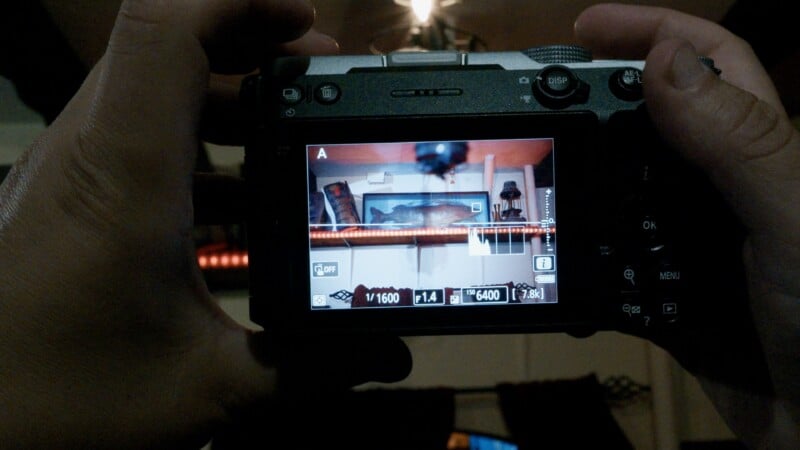
Interestingly, the Z5 IIC introduces a new "Fish Detection" mode. While perhaps a niche feature for the average street photographer, it indicates Nikon’s desire to refine its algorithms for specific use cases, such as aquarium photography. For the majority of users, the Automatic Subject Detection mode is more than capable of identifying humans, animals, and vehicles with impressive speed.

For those interested in action, the Z5 IIC offers a maximum mechanical shutter burst rate of 14 frames per second (fps) for JPEGs and 11 fps for RAW files. Using the electronic shutter pushes the speed to 30 fps. However, because the sensor does not have the ultra-fast readout speeds of Nikon’s flagship Z8 or Z9, users should be wary of rolling shutter distortion when photographing fast-moving subjects with the electronic shutter.
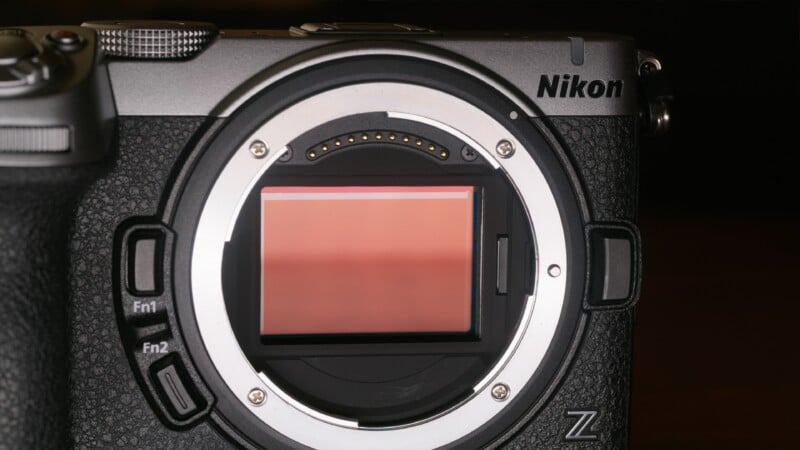
Image Quality: The Reliable 24-Megapixel Workhorse
The Z5 IIC utilizes a 24-megapixel full-frame sensor that has become a legend in the industry. This sensor architecture has been refined over several years and used in various forms by Sony, Panasonic, and Leica. While it may not represent the "bleeding edge" of resolution, its performance remains stellar.

The primary advantage of this sensor is its balance of low-light performance and dynamic range. At the base ISO of 100, the files contain a massive amount of information in the shadows. This was particularly useful in the high-contrast environment of Yosemite, where deep granite shadows often sit alongside bright, sunlit peaks. In post-processing, pulling detail out of those dark areas resulted in clean, usable images with manageable noise levels.

Nikon’s color science also shines here. The JPEG output is excellent, and the camera features a dedicated button on the top plate to access various "Picture Controls." Profiles like "Rich Tone Monochrome" and "Rich Tone Portrait" provide a quick way to achieve a specific aesthetic without needing a computer. Additionally, for the first time in its full-frame lineup, Nikon has included "Scene Modes." These automatic presets for landscapes, portraits, and other common scenarios make the camera much more approachable for beginners who may be moving up from a smartphone or an APS-C sensor for the first time.

Video Capabilities: A Professional Toolset in a Small Body
Despite its entry-level positioning, the Z5 IIC is a formidable video tool. It offers oversampled 4K video at up to 30p using the full width of the sensor, resulting in crisp, detailed footage with excellent low-light characteristics. Stepping up to 4K/60p does incur an APS-C crop, which is a standard limitation for sensors in this class but something for videographers to keep in mind when choosing lenses.

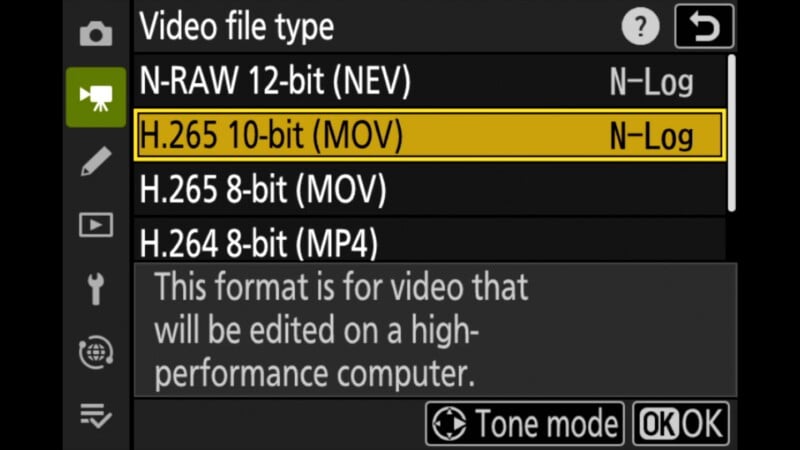
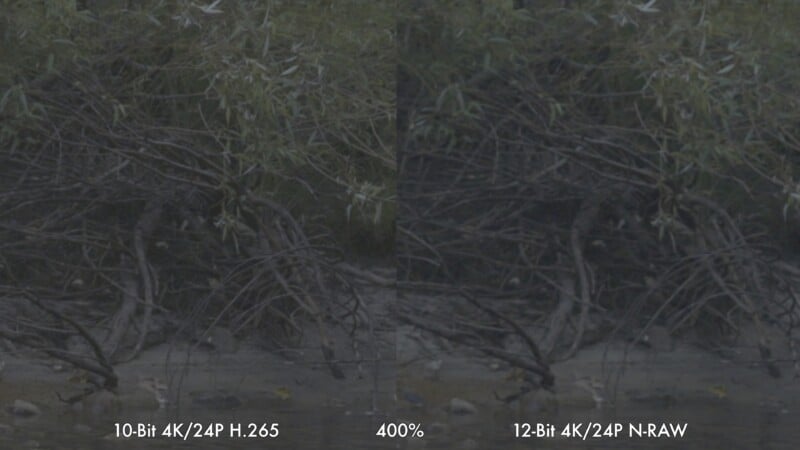
Nikon has been generous with the software features provided to filmmakers. The Z5 IIC includes N-Log for those who want to maximize dynamic range for color grading, as well as professional assist tools like waveforms, histograms, and focus peaking. Perhaps most surprising is the inclusion of N-RAW recording internally to the SD card. While this 12-bit RAW format offers immense flexibility for adjusting white balance and tint in post-production, the sampling method used on this specific sensor results in a noticeable loss of sharpness and an increase in noise compared to the standard 10-bit H.265 modes. For most users, the high-quality 10-bit internal recording will be the preferred choice.

A small but highly appreciated addition is the front-facing tally lamp. This light provides a clear visual cue when the camera is recording, a feature that vloggers and solo operators will find invaluable. Combined with the reliable video autofocus and the powerful IBIS, the Z5 IIC is a very capable "run-and-gun" cinema camera.

Market Position: Does the Z5 IIC Fill a Need?
The existence of the Z5 IIC raises a fundamental question: who is a viewfinder-less full-frame camera for? For traditionalists, the answer might be "no one." The experience of shooting without an EVF can be frustrating, especially for those accustomed to the stability and immersion it provides.

However, the camera market is changing. The success of compact, screen-only cameras like the Fujifilm X-M5 suggests a growing demographic of creators who have spent their lives shooting on smartphones and feel perfectly at home using an LCD. For these users, the Z5 IIC offers a gateway into the world of full-frame photography at a price that is $450 lower than the Z5 II. That savings is significant; it is enough to purchase a high-quality prime lens or a versatile zoom, which may have a greater impact on a beginner’s final images than a viewfinder would.
When compared to its rivals, the Z5 IIC holds its ground well. While the Panasonic S9 is also compact and stylish, the Nikon’s inclusion of a mechanical shutter and a standard flash hot-shoe makes it a more versatile tool for photographers who occasionally need to use flash or avoid the pitfalls of electronic-only shutters. Compared to older models like the Canon R8 or Sony a7 III, which can be found at similar prices, the Nikon offers a more modern autofocus system and a more refined user interface, even if it lacks their viewfinders.
Ultimately, the Nikon Z5 IIC is a specialized tool. It is a camera that prioritizes portability, price, and style without sacrificing the core image quality and stabilization that Nikon’s Z-system is known for. It may not be the right choice for everyone, but for those who find the viewfinder an unnecessary relic of the past, the Z5 IIC represents one of the best values in the full-frame market today.