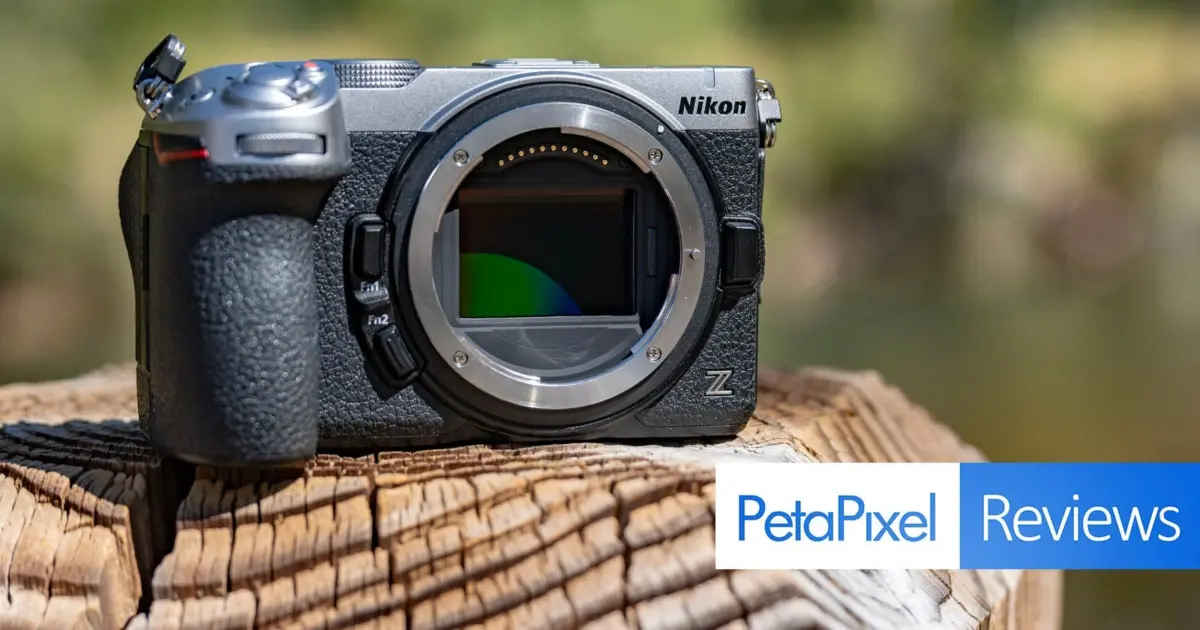
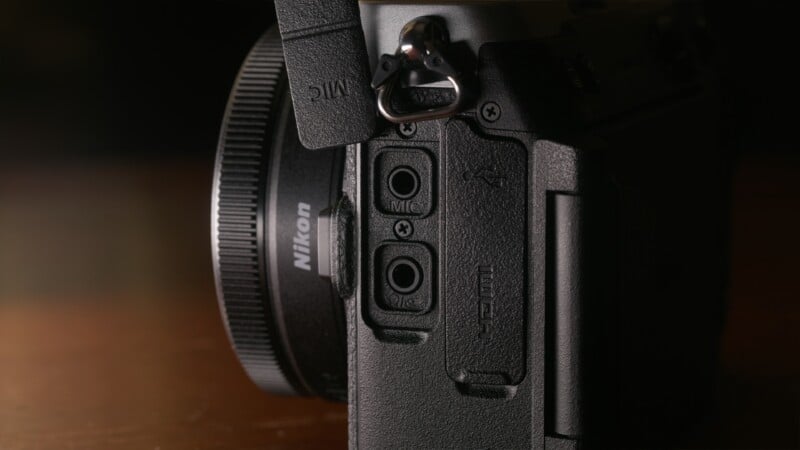
Furthermore, Nikon has downgraded the resolution of the LCD itself, dropping from the 2.1-million-dot panel found on the Z5 II to a 1.04-million-dot version. This reduction in pixel density is noticeable when attempting to confirm critical manual focus or when reviewing images for fine detail. Users may find themselves relying more heavily on the "punch-in" magnification tool to ensure their shots are sharp. While the screen’s articulating nature is a boon for videographers and those shooting from creative angles, the lower resolution feels like a missed opportunity for a camera that relies solely on that screen for interaction.

Performance: Stabilization and Autofocus
If the exterior of the Z5 IIC is about compromise, the interior is about performance. Nikon has included its highly regarded in-body image stabilization (IBIS) system, which offers up to 7.5 stops of compensation in the center and 7 stops at the edges. The effectiveness of this system was put to the test during a sunset shoot where light levels dropped rapidly. Despite shooting at focal lengths over 200mm, the IBIS allowed for sharp, handheld images at shutter speeds as slow as 1/4 to 1/8 of a second—speeds that would typically require a tripod.

The autofocus system is another highlight, carried over largely intact from the Z5 II. It features advanced subject detection and Nikon’s tenacious 3D tracking. Whether tracking pedestrians navigating San Francisco’s busy intersections or locking onto a chipmunk darting across a fallen log in Yosemite, the system remained reliable.
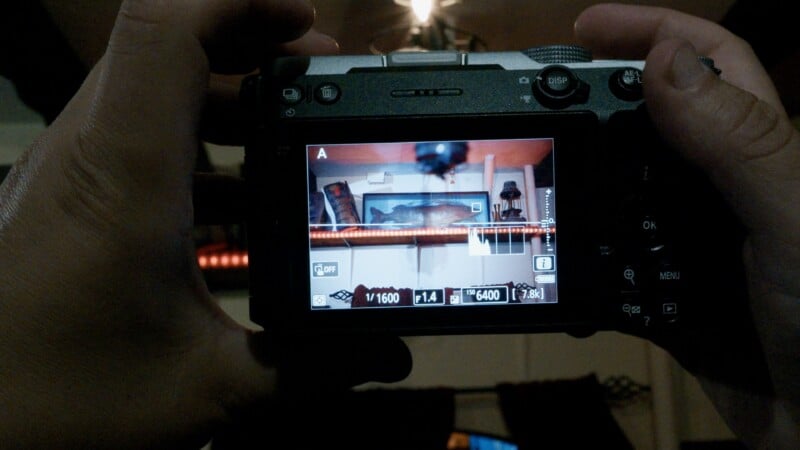
Interestingly, the Z5 IIC introduces a new "Fish Detection" mode. While perhaps a niche feature for the average street photographer, it indicates Nikon’s desire to refine its algorithms for specific use cases, such as aquarium photography. For the majority of users, the Automatic Subject Detection mode is more than capable of identifying humans, animals, and vehicles with impressive speed.

For those interested in action, the Z5 IIC offers a maximum mechanical shutter burst rate of 14 frames per second (fps) for JPEGs and 11 fps for RAW files. Using the electronic shutter pushes the speed to 30 fps. However, because the sensor does not have the ultra-fast readout speeds of Nikon’s flagship Z8 or Z9, users should be wary of rolling shutter distortion when photographing fast-moving subjects with the electronic shutter.
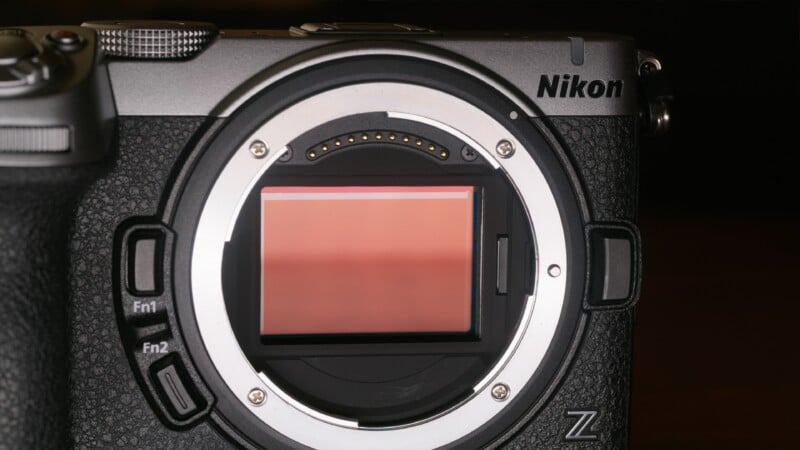
Image Quality: The Reliable 24-Megapixel Workhorse
The Z5 IIC utilizes a 24-megapixel full-frame sensor that has become a legend in the industry. This sensor architecture has been refined over several years and used in various forms by Sony, Panasonic, and Leica. While it may not represent the "bleeding edge" of resolution, its performance remains stellar.
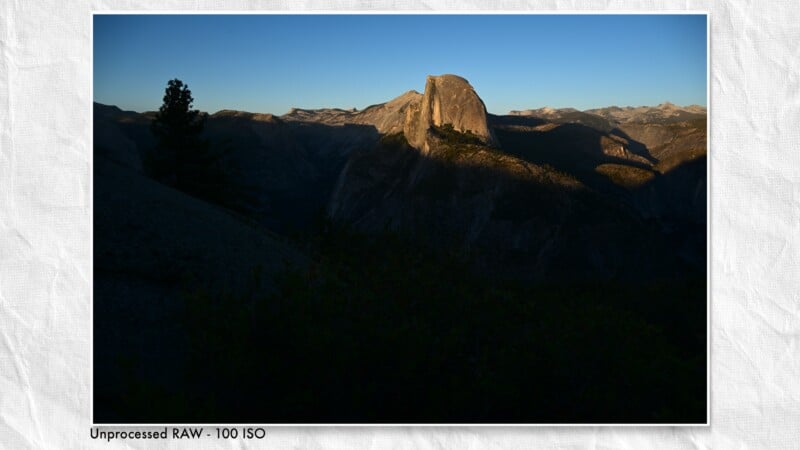
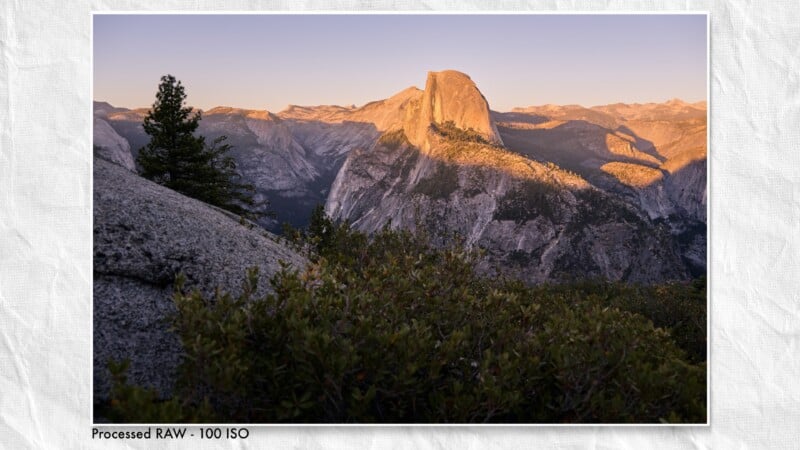
The primary advantage of this sensor is its balance of low-light performance and dynamic range. At the base ISO of 100, the files contain a massive amount of information in the shadows. This was particularly useful in the high-contrast environment of Yosemite, where deep granite shadows often sit alongside bright, sunlit peaks. In post-processing, pulling detail out of those dark areas resulted in clean, usable images with manageable noise levels.
Nikon’s color science also shines here. The JPEG output is excellent, and the camera features a dedicated button on the top plate to access various "Picture Controls." Profiles like "Rich Tone Monochrome" and "Rich Tone Portrait" provide a quick way to achieve a specific aesthetic without needing a computer. Additionally, for the first time in its full-frame lineup, Nikon has included "Scene Modes." These automatic presets for landscapes, portraits, and other common scenarios make the camera much more approachable for beginners who may be moving up from a smartphone or an APS-C sensor for the first time.