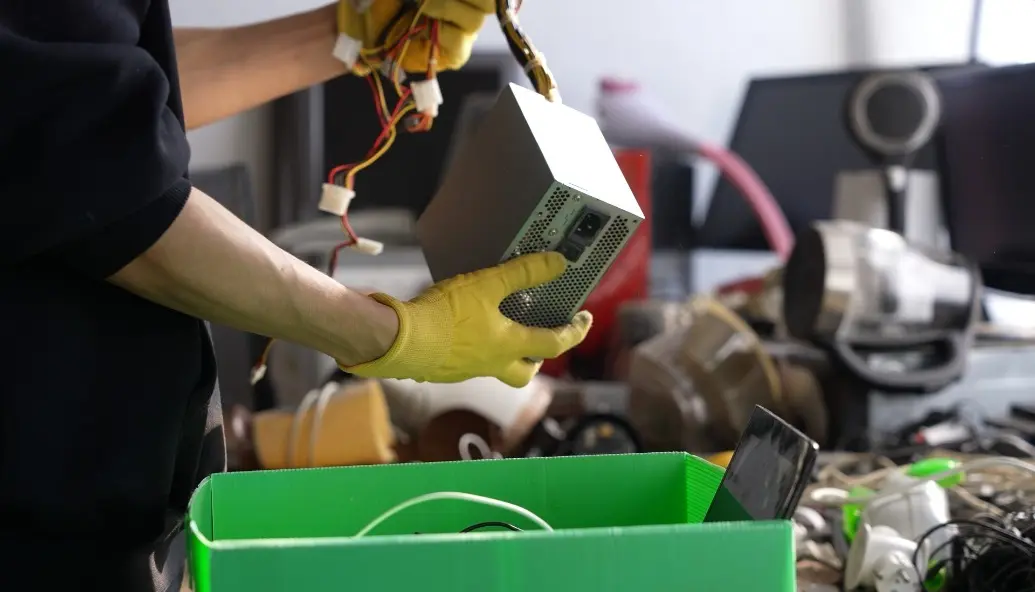
Furthermore, the research touches upon the broader concept of "design for repair." While the study focused on the end-of-life handling of devices, the high success rate at Repair Cafés suggests that many consumer products are not as "unfixable" as manufacturers might claim. However, the lack of formal support for these repair activities means that the knowledge and tools required to fix modern electronics remain localized and informal. By bringing these activities into the mainstream, the UK could exert more pressure on manufacturers to design products that are easier to disassemble and repair, further supporting the transition to a circular economy.
The call to action from the Surrey research team is clear: the UK needs to stop viewing its electronic waste as a burden to be managed and start seeing it as a resource to be preserved. The transition from a "disposal-first" to a "repair-first" hierarchy requires not just a change in infrastructure, but a change in the regulatory environment that governs waste. This includes rethinking the financial incentives for waste contractors and providing local councils with the resources to partner with community repair groups.
Ultimately, the study serves as a reminder that sustainability and economic efficiency are not mutually exclusive. By saving devices from the bin, the UK can reduce its reliance on global mining operations, lower its carbon emissions, and keep more money in the pockets of its citizens and businesses. As the volume of electronics in our lives continues to expand, the need for a system that values repair over disposal has never been more urgent. The research by Sheeba Pathak and her team provides a roadmap for a more sensible, sustainable, and profitable way to handle the gadgets that power our modern world, ensuring that "getting minted" from recycling includes the wisdom of not throwing away what can still be used.
The proposed formalization of maker spaces and repair hubs would also address the "digital divide," as refurbished devices could be made available at a lower cost to those who might otherwise be priced out of the technology market. By preventing valuable devices from slipping through the net, the UK has the chance to lead the way in a new model of resource management—one that respects the complexity of the products we create and the environment from which their materials are drawn. The message from the University of Surrey is that the tools for a more sustainable future are already in our hands; we just need to stop throwing them away.