The project represents a significant shift in how urban land is utilized following major infrastructure changes. As the new Royal Liverpool University Hospital took over clinical operations, the question of what to do with the former site became a priority for the NHS University Hospitals of Liverpool Group. The decision to create a high-quality green space reflects a growing understanding of the intersection between environmental health and human well-being. By prioritizing biodiversity and public access, the redevelopment is being positioned as a benchmark for nature recovery within a dense city-centre context.
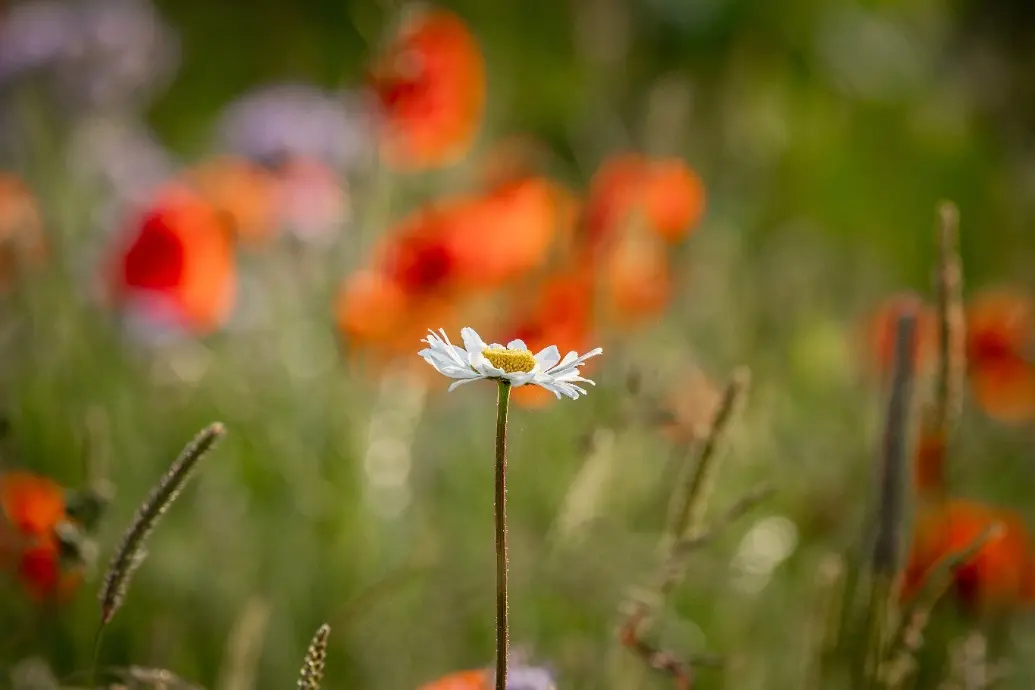
Central to the design of the new park is a commitment to ecological variety and sustainability. The master plan for the site includes the planting of 163 new trees, which will form the backbone of the park’s emerging canopy. These trees are not merely aesthetic additions but are essential components of a wider strategy to mitigate the urban heat island effect, improve air quality, and provide a habitat for local bird populations. Alongside the trees, the park will feature expansive native wildflower meadows. These meadows are specifically curated to support local pollinators, such as bees and butterflies, which often struggle to find food and shelter in heavily developed urban areas.
The design also incorporates dedicated wildlife corridors, which are intended to link the new park with other green patches across the city. By creating these pathways, the project facilitates the movement of various species, ensuring that the park does not become an isolated ecological island but rather a functional part of a broader urban nature network. This connectivity is a vital aspect of modern conservation efforts, particularly in cities where fragmented habitats can lead to a decline in local species diversity.
In addition to its biological features, the park is being engineered with modern environmental challenges in mind. The inclusion of sustainable drainage systems (SuDS) is a critical component of the project. These systems are designed to manage surface water runoff naturally, reducing the pressure on the city’s traditional sewer networks during heavy rainfall. By using the landscape to absorb and filter water, the park will help to mitigate local flooding risks while simultaneously nourishing the soil and supporting the growth of the meadows and trees. This dual-purpose infrastructure demonstrates how nature-based solutions can address technical urban challenges.
For the human visitors to the site, the park offers a range of facilities designed to promote relaxation and physical activity. Natural play areas are being integrated into the landscape, providing children with spaces to explore and interact with the environment in a way that traditional playgrounds often do not allow. These areas emphasize the use of natural materials and organic shapes, fostering a sense of discovery and connection with the outdoors. For adults, the park provides a much-needed sanctuary within the city. The layout includes various zones for quiet reflection, which are expected to be particularly beneficial for patients, NHS staff, and hospital visitors who may need a moment of respite from the clinical environment.
Jenny Hannon, the Group Chief Development Officer at NHS University Hospitals of Liverpool Group, highlighted the importance of this project for the local community. She noted that access to high-quality green space can often be limited in city-centre environments, where the density of buildings and infrastructure leaves little room for natural landscapes. According to Hannon, the project is intended to transform the former hospital grounds into a welcoming park that serves a diverse range of people, from those working on the front lines of healthcare to the residents living in the surrounding neighborhoods. Her comments underscore a holistic view of health—one that recognizes the therapeutic value of nature and the importance of providing accessible outdoor spaces for mental and physical recovery.
The commitment to biodiversity is not something that is being deferred until the end of the project; rather, it is being integrated into the site’s current state. Even as construction continues, the project has already introduced significant environmental measures. One of the most striking features currently visible is a 33-metre vertical meadow that has been installed around the perimeter of the site. This living wall utilizes a variety of native wildflowers and grasses, providing an immediate source of habitat and food for pollinators while the ground-level park is being developed. This vertical meadow serves as a functional demonstration of the project’s goals, showing that even a construction boundary can be used to support nature recovery.
The use of native species throughout the project is a deliberate choice intended to ensure the long-term success and resilience of the park. By selecting plants and trees that are naturally adapted to the local climate and soil conditions, the project minimizes the need for intensive maintenance and chemical interventions. Native wildflower meadows, for example, are better equipped to withstand local weather patterns and provide the specific types of nectar and pollen required by indigenous insects. This focus on "native-first" landscaping is a key pillar of biodiversity projects, as it reinforces the local ecosystem rather than introducing non-native species that may not provide the same level of ecological benefit.
The timeline for the project is a long-term commitment, with the park expected to reach full completion in October 2027. This duration reflects the complexity of transforming a former hospital site, which involves not only the demolition of existing structures but also the remediation of the land and the careful establishment of new biological systems. The multi-year schedule allows for the phased planting of trees and meadows, ensuring that the vegetation has the time it needs to take root and flourish. As the project progresses toward its 2027 completion date, the site will gradually transition from a construction zone into a mature green space that serves as a permanent "green lung" for Liverpool.
The transformation of the Royal Liverpool University Hospital site is part of a wider trend in urban planning where nature recovery is becoming a central theme of redevelopment. As cities around the world grapple with the effects of climate change and the loss of biodiversity, the integration of green infrastructure into the urban fabric is increasingly seen as a necessity rather than a luxury. This project demonstrates that even sites with a long history of intensive institutional use can be reclaimed and repurposed to support the natural world. It serves as a model for how large-scale urban regeneration can move beyond simply building new structures and instead focus on creating balanced environments where nature and people can coexist.
As the first tree begins to grow on the site, it serves as a symbol of the resilience and renewal that the park represents. What was once a place of intensive medical activity is being reborn as a sanctuary for wildlife and a community asset for the people of Liverpool. The project stands as a testament to the vision of the NHS University Hospitals of Liverpool Group and their partners, who have chosen to invest in the environmental future of the city. By the time the gates fully open in 2027, the park will offer a legacy of health, biodiversity, and sustainability, proving that the recovery of nature is an essential part of the recovery of our urban spaces.
The development continues to draw interest as a pioneering example of how the public sector can lead the way in environmental stewardship. By utilizing its landholdings to create a biodiverse public park, the NHS is expanding its mission of care to encompass the very environment in which its patients and staff live and work. The project at the former Royal Liverpool University Hospital site is a clear indication that the future of urban development lies in the thoughtful integration of the natural world into the heart of our cities. As October 2027 approaches, the anticipation for this new green space continues to build, marking a significant milestone in Liverpool’s ongoing evolution as a greener, more sustainable city.