For the human visitors to the site, the park offers a range of facilities designed to promote relaxation and physical activity. Natural play areas are being integrated into the landscape, providing children with spaces to explore and interact with the environment in a way that traditional playgrounds often do not allow. These areas emphasize the use of natural materials and organic shapes, fostering a sense of discovery and connection with the outdoors. For adults, the park provides a much-needed sanctuary within the city. The layout includes various zones for quiet reflection, which are expected to be particularly beneficial for patients, NHS staff, and hospital visitors who may need a moment of respite from the clinical environment.
Jenny Hannon, the Group Chief Development Officer at NHS University Hospitals of Liverpool Group, highlighted the importance of this project for the local community. She noted that access to high-quality green space can often be limited in city-centre environments, where the density of buildings and infrastructure leaves little room for natural landscapes. According to Hannon, the project is intended to transform the former hospital grounds into a welcoming park that serves a diverse range of people, from those working on the front lines of healthcare to the residents living in the surrounding neighborhoods. Her comments underscore a holistic view of health—one that recognizes the therapeutic value of nature and the importance of providing accessible outdoor spaces for mental and physical recovery.
The commitment to biodiversity is not something that is being deferred until the end of the project; rather, it is being integrated into the site’s current state. Even as construction continues, the project has already introduced significant environmental measures. One of the most striking features currently visible is a 33-metre vertical meadow that has been installed around the perimeter of the site. This living wall utilizes a variety of native wildflowers and grasses, providing an immediate source of habitat and food for pollinators while the ground-level park is being developed. This vertical meadow serves as a functional demonstration of the project’s goals, showing that even a construction boundary can be used to support nature recovery.
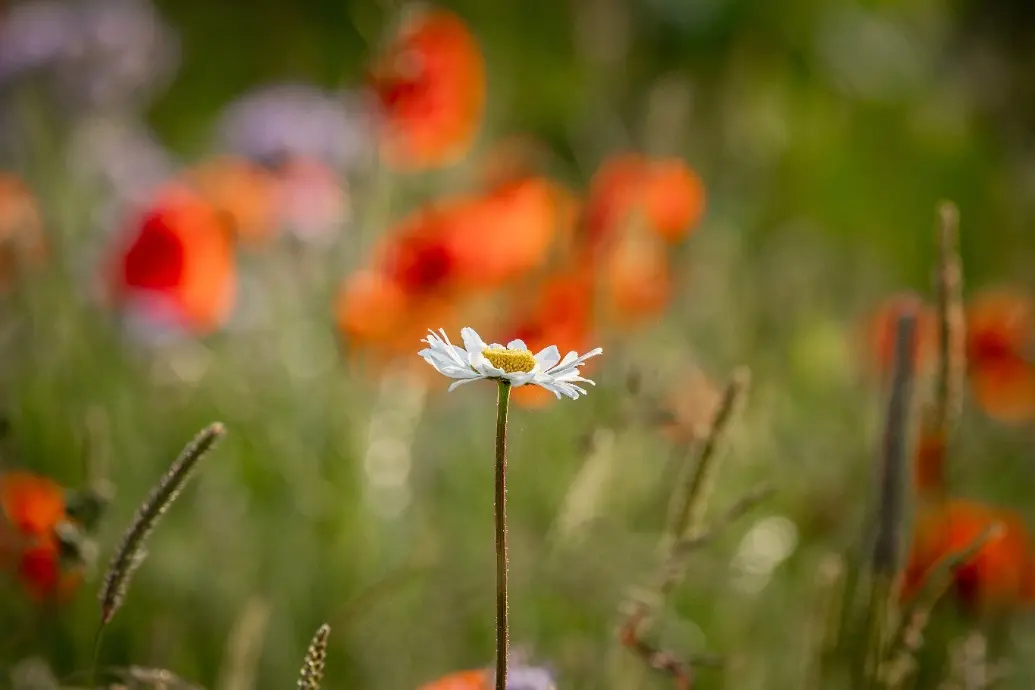
The use of native species throughout the project is a deliberate choice intended to ensure the long-term success and resilience of the park. By selecting plants and trees that are naturally adapted to the local climate and soil conditions, the project minimizes the need for intensive maintenance and chemical interventions. Native wildflower meadows, for example, are better equipped to withstand local weather patterns and provide the specific types of nectar and pollen required by indigenous insects. This focus on "native-first" landscaping is a key pillar of biodiversity projects, as it reinforces the local ecosystem rather than introducing non-native species that may not provide the same level of ecological benefit.