The findings, released in a comprehensive study by researchers from Imperial College London and the World Weather Attribution (WWA) group, indicate that the disaster was not the result of a single isolated weather event but rather the consequence of what scientists described as a "disastrous cocktail" of environmental factors. Among the most significant of these "bad ingredients" were the compounding effects of greenhouse gas emissions, which have driven global temperatures upward and fundamentally altered the stability of the Himalayan cryosphere. The report emphasizes that human-induced global warming has transitioned from a long-term threat to an immediate driver of lethal geological events in the world’s highest mountain ranges.
The mechanics of the disaster were as swift as they were terrifying. According to the research team, the glacier underwent a catastrophic collapse, falling approximately 4,660 feet from its original position. The sheer kinetic energy generated during this massive vertical drop, combined with the pre-existing thermal stress on the ice, caused the frozen mass to liquidize almost instantly upon impact. This process created an immediate and overwhelming flood of ice-cold water, silt, and debris that surged through the narrow mountain valleys. The speed of the onset left little room for warning or evacuation, as the flood raced through remote villages, claiming the lives of thousands of local residents and wiping out entire communities in its path.
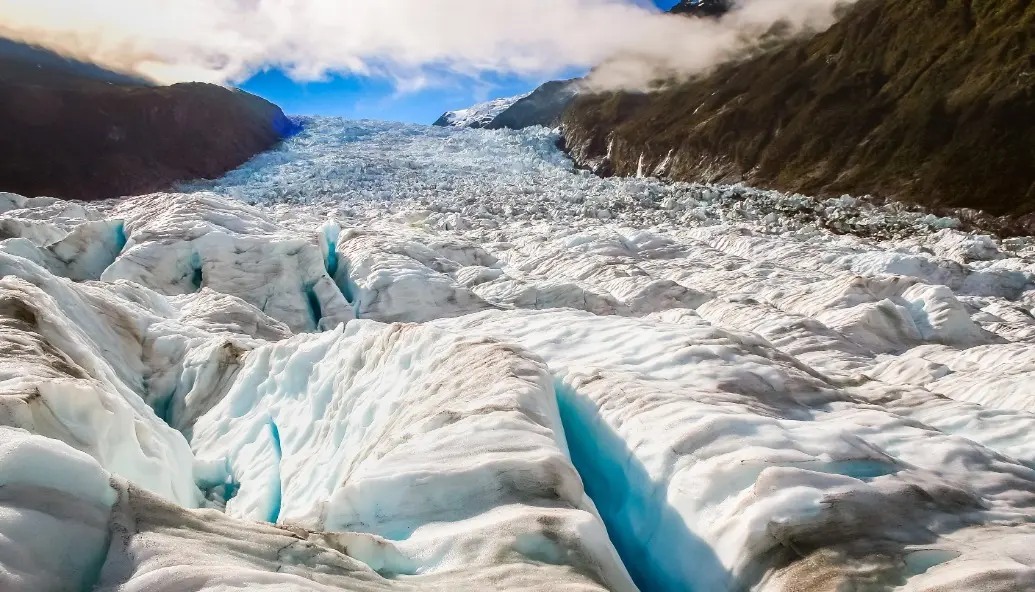
Beyond the immediate tragedy of the collapse, the report provides a sobering look at the long-term degradation of the region’s glacial health. Scientists have observed that glaciers across the Himalayas and the Tibetan Plateau have been thinning at an alarming rate, losing more than half a meter of thickness every single year. This systemic thinning has left the ice sheets more vulnerable to internal fractures and external temperature fluctuations. Specifically, the researchers pointed to the Langtang-Lirung glacier, noting that its retreat has accelerated significantly since 2010. This acceleration serves as a localized indicator of a much broader and more dangerous trend affecting the "Third Pole," a region that holds the largest reserve of freshwater outside the polar ice caps.
Adding to the complexity of the situation is the steady upward migration of the freezing threshold. The study highlights that the altitude at which temperatures remain below freezing—often referred to by scientists as the zero-degree isotherm—has been moving higher by approximately 100 meters every decade. As this line climbs, larger sections of glaciers that were historically locked in a permanent deep freeze are now being exposed to seasonal melting and thermal expansion. This shift weakens the "glue" that holds these massive ice and rock formations together, making the type of rock-and-ice avalanches seen in Nepal and Tibet increasingly likely.