The Imperial College London and World Weather Attribution study serves as a call to action for international climate policy. By directly linking the intensity and likelihood of the Nepal and Tibet floods to greenhouse gas emissions, the researchers have provided a clear scientific basis for the argument that climate change is no longer a "slow-onset" disaster. Instead, it is manifesting as sudden, high-magnitude events that can overwhelm even the most resilient mountain communities. The "cocktail" of bad ingredients—rising temperatures, thinning ice, and an upward-shifting freezing line—is a recipe for continued disaster unless there is a significant shift in global carbon trajectories.
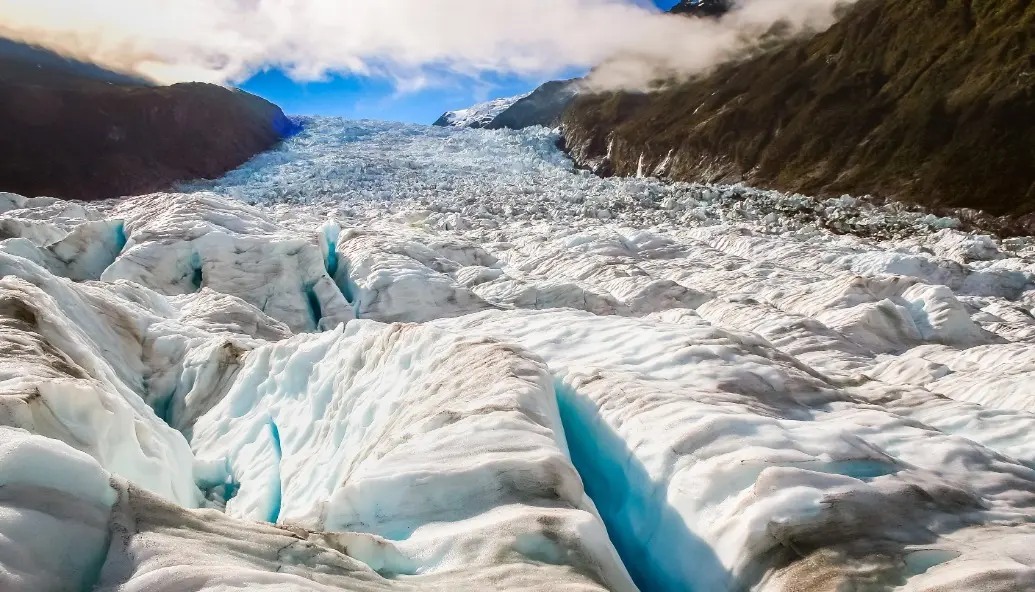
As the region begins the long and painful process of recovery, the scientific data remains a stark reminder of the fragility of the Himalayan ecosystem. The loss of life and the destruction of infrastructure in Nepal and Tibet are a testament to the power of a changing climate to reshape the earth in a matter of minutes. With glaciers retreating and temperatures continuing to climb, the focus of the international community is increasingly turning toward the necessity of more robust early warning systems and a deeper understanding of the "limits to adaptation" mentioned in the report.
Ultimately, the confirmation that high temperatures preceded the collapse of the glacier provides a definitive link between global atmospheric trends and local tragedies. The earthquake-intensity crash that liquidized the ice was not an act of chance, but a predictable consequence of a world that is heating up faster than its natural defenses can manage. The 560 million Olympic-sized swimming pools of lost ice and the 11-year streak of record heat are not just statistics; they are the precursors to a new era of environmental instability that the world is only beginning to understand. The events in Nepal and Tibet stand as a sobering warning of what the future may hold for glaciated regions across the globe if the current pace of warming continues.
Copyright © 2026 Energy Live News Ltd ELN