The scale of the event has shocked the scientific community, not only for its human toll but for its geological rarity. The study notes that rock-and-ice avalanches of this particular magnitude are exceptionally rare in the natural historical record. Annual frequency estimates for an event of this size are placed at approximately once every 1,000 to 10,000 years. The fact that such a rare event has occurred now is being viewed as a clear signal that the environmental systems of the Himalayas are being pushed past their breaking point. The researchers stated that this event serves as a grim milestone, demonstrating that the "limits to adaptation" are already being reached in some of the world’s most vulnerable regions. This suggests that traditional methods of disaster mitigation and climate adaptation may no longer be sufficient to protect populations living in the shadow of these rapidly changing glaciers.
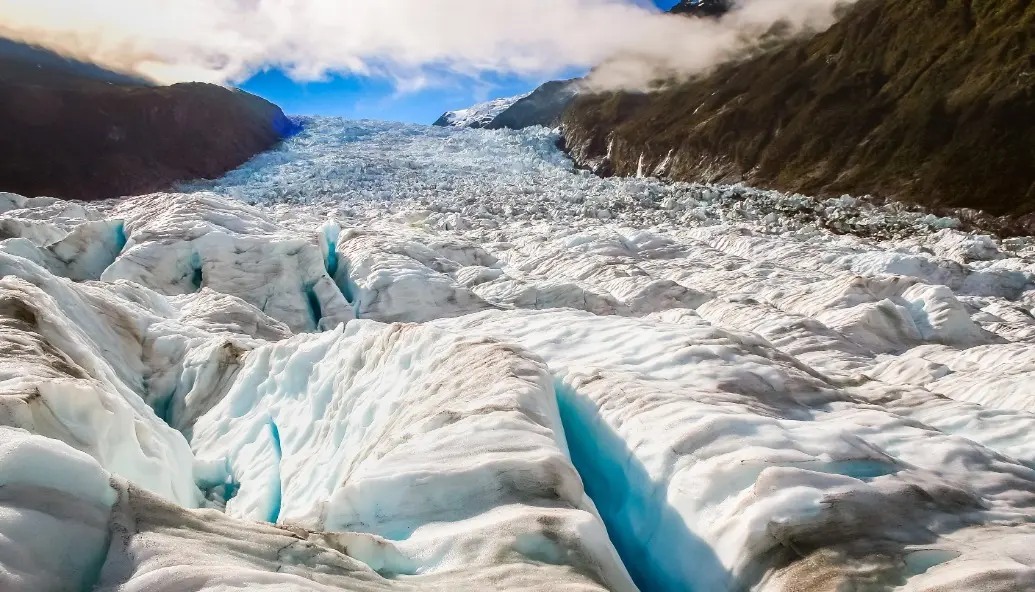
The local catastrophe in Nepal and Tibet is mirrored by a broader, global decline in glacial stability, as documented by the World Meteorological Organization (WMO). In its latest global water report, the WMO confirmed a distressing trend: every major glaciated region on Earth recorded significant ice loss for the fourth consecutive year in 2025. This synchronized melting across different continents and hemispheres indicates a global climate system in profound flux. The WMO warned that the persistence of this trend means that the conditions which led to the Nepal floods are becoming more common, suggesting that other glaciated regions may soon face similar risks of sudden, violent flooding and glacial lake outburst events.
To illustrate the sheer volume of water being released by the world’s melting glaciers, the WMO provided a staggering statistic. Between 2023 and 2025, global glaciers lost a volume of ice equivalent to 560 million Olympic-sized swimming pools. This massive influx of meltwater into the global hydrological cycle not only contributes to sea-level rise but also destabilizes mountain river systems, making them more prone to the kind of "flash" events that devastated Tibet and Nepal. The loss of this ice also represents the disappearance of a vital "water tower" for billions of people who rely on seasonal glacial melt for agriculture, drinking water, and hydroelectric power.
The broader climate picture continues to darken as international meteorological agencies synthesize data from the past decade. The WMO has confirmed that the past 11 years have been the hottest on record in human history. This sustained period of record-breaking heat has created a feedback loop in high-altitude environments. As the atmosphere warms, it holds more moisture, which can lead to heavier snowfall or rain at high altitudes. When this moisture interacts with already weakened and thinning glaciers, the risk of a catastrophic failure increases exponentially. The "unusually high temperatures" cited by the researchers as the trigger for the Nepal disaster are part of this larger, systemic warming trend that shows no signs of abating.