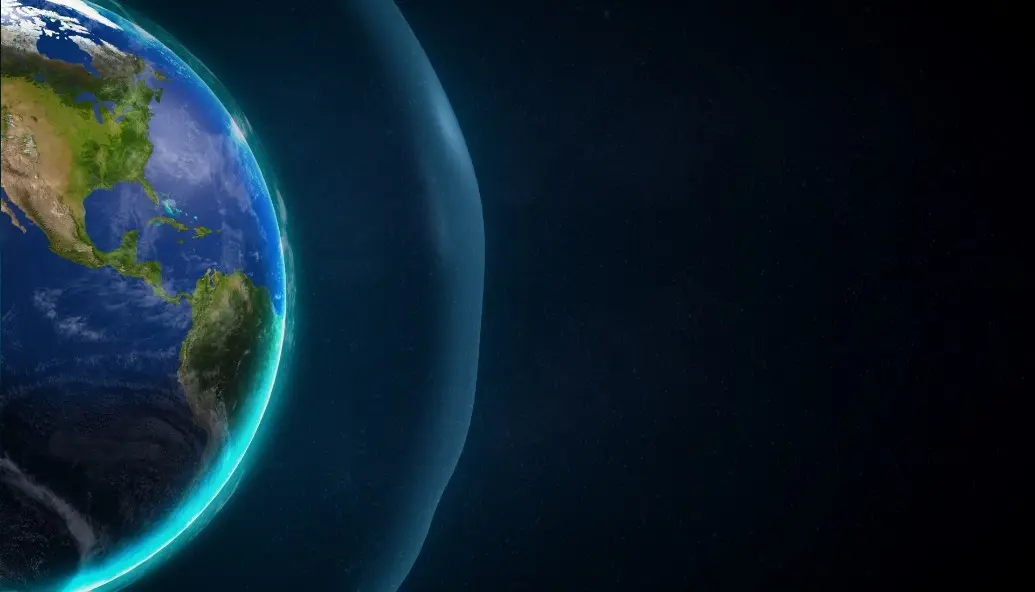
The Planetary Boundaries framework, first proposed by an international team of scientists to define a "safe operating space" for humanity, identifies nine specific Earth systems that regulate the stability and resilience of the entire planet. These systems include climate change, biosphere integrity, land system change, freshwater change, biogeochemical flows, ocean acidification, atmospheric aerosol loading, stratospheric ozone depletion, and the introduction of novel entities. The framework is designed to measure the health of the Earth as a single, integrated organism. Crossing these boundaries does not necessarily trigger an immediate catastrophe, but it signifies that the planet is moving out of the stable conditions of the Holocene epoch—the period of the last 11,000 years during which human society developed—and into a state of instability.
The seven systems now confirmed to have exceeded their global boundaries are climate change, biosphere integrity, land system change, freshwater change, biogeochemical flows, the introduction of novel entities, and, most recently, ocean acidification. This leaves only two systems—stratospheric ozone depletion and atmospheric aerosol loading—currently remaining within the designated safe limits. However, even these "safe" zones come with significant caveats. While atmospheric aerosol loading remains within its global boundary, the report emphasizes that regional levels of aerosols, such as particulate matter from industrial pollution and wildfires, continue to pose severe health risks and can disrupt local weather patterns, even if the global average remains below the threshold for planetary-scale collapse.
The breach of the climate change boundary is perhaps the most widely recognized, characterized by the increasing concentration of greenhouse gases in the atmosphere and the resulting rise in global temperatures. Scientists warn that moving beyond this boundary increases the frequency and intensity of extreme weather events, which in turn places further pressure on the other eight systems. The interconnected nature of these boundaries means that a failure in one area often accelerates the degradation of others. For instance, the breach of the biosphere integrity boundary—which tracks the loss of biodiversity and the extinction of species—is closely linked to climate change and land system change. As ecosystems lose their variety and functional health, they become less resilient to temperature fluctuations, creating a dangerous feedback loop.
Biosphere integrity is considered one of the two "core" boundaries, alongside climate change, because it provides the biological foundation upon which all life depends. The current assessment indicates that the rate of species extinction and the loss of genetic diversity have far surpassed the safe threshold, undermining the Earth’s ability to regulate its own atmosphere and water cycles. This loss of functional integrity means that ecosystems are no longer able to provide the essential services—such as pollination, natural pest control, and soil formation—that human agriculture and industry rely upon.
The report also highlights the critical state of biogeochemical flows, specifically the cycles of nitrogen and phosphorus. These elements are essential for plant growth and are the primary ingredients in industrial fertilizers. However, the massive over-application of these chemicals in global agriculture has led to a catastrophic breach of this boundary. Excess nitrogen and phosphorus leach into waterways, causing massive algal blooms that deplete oxygen in lakes and coastal oceans, creating "dead zones" where aquatic life cannot survive. This chemical imbalance is a primary driver of the degradation of freshwater systems and the loss of marine biodiversity.