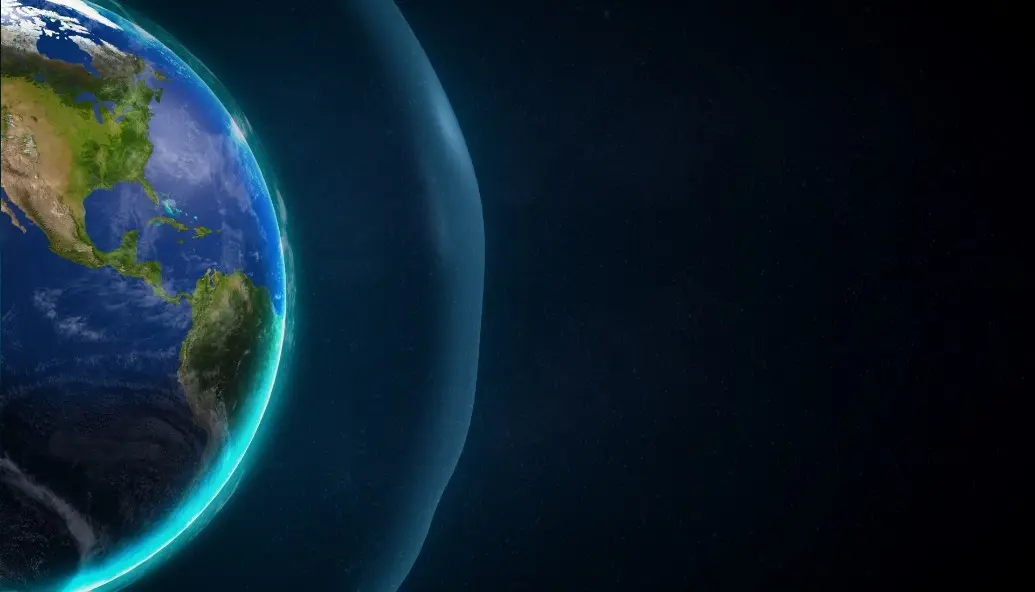
The only boundary that shows a clear sign of recovery is stratospheric ozone depletion. Following the international agreement known as the Montreal Protocol, which phased out the use of ozone-depleting substances, the ozone layer has been steadily healing. This success serves as a rare example of how global cooperation and evidence-based policy can successfully bring a planetary system back within its safe operating boundary. It provides a potential roadmap for addressing the other seven breached boundaries, though the scale and complexity of the current challenges are significantly greater.
The implications of these findings extend beyond environmental science and into the realms of global economics and organizational stability. Recent data indicates that the impacts of climate change and environmental degradation are already affecting the bottom lines of a vast majority of organizations. In the United Kingdom, for instance, approximately 84% of organizations have reported that climate-related impacts are affecting their revenue. This economic reality underscores the fact that planetary stability is not merely an ecological concern but a fundamental requirement for a functioning global economy.
Furthermore, the report highlights the geopolitical challenges inherent in managing these boundaries. While some nations have made strides in reducing their domestic environmental footprints, global emissions and resource consumption remain high. The United States, despite its technological and economic resources, remains one of the world’s largest polluters, and the report suggests that without more stringent regulations and international accountability, global efforts to return to a safe operating space will likely falter.
As the Earth moves further into uncharted territory, the Planetary Boundaries framework serves as a stark reminder of the limits of our planet’s resilience. The breach of seven out of nine boundaries suggests that the window for meaningful action is narrowing. The transition of ecosystems from carbon sinks to sources, the acidification of the oceans, and the pervasive spread of novel entities all point toward a future of increasing instability unless fundamental changes are made to how human societies interact with the natural world. The goal of staying within a "safe operating space" is no longer just a scientific recommendation; it is becoming a matter of long-term survival for human civilization. Efforts to restore the Earth’s balance will require a coordinated global response that addresses all nine systems as a single, interconnected whole, recognizing that the health of the planet is the ultimate foundation for the health of its inhabitants.