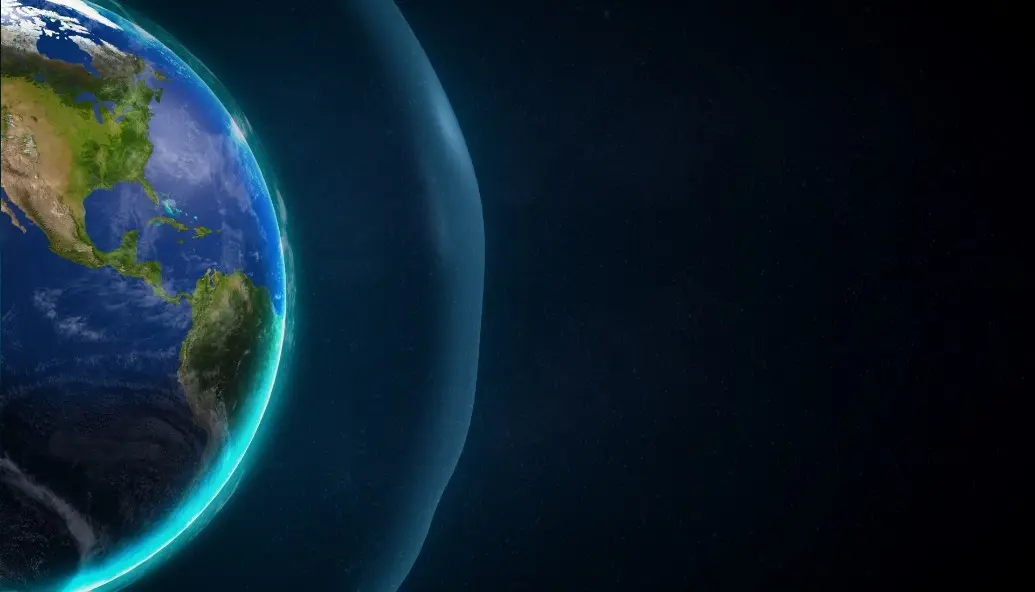
The Planetary Boundaries framework, first proposed by an international team of scientists to define a "safe operating space" for humanity, identifies nine specific Earth systems that regulate the stability and resilience of the entire planet. These systems include climate change, biosphere integrity, land system change, freshwater change, biogeochemical flows, ocean acidification, atmospheric aerosol loading, stratospheric ozone depletion, and the introduction of novel entities. The framework is designed to measure the health of the Earth as a single, integrated organism. Crossing these boundaries does not necessarily trigger an immediate catastrophe, but it signifies that the planet is moving out of the stable conditions of the Holocene epoch—the period of the last 11,000 years during which human society developed—and into a state of instability.
The seven systems now confirmed to have exceeded their global boundaries are climate change, biosphere integrity, land system change, freshwater change, biogeochemical flows, the introduction of novel entities, and, most recently, ocean acidification. This leaves only two systems—stratospheric ozone depletion and atmospheric aerosol loading—currently remaining within the designated safe limits. However, even these "safe" zones come with significant caveats. While atmospheric aerosol loading remains within its global boundary, the report emphasizes that regional levels of aerosols, such as particulate matter from industrial pollution and wildfires, continue to pose severe health risks and can disrupt local weather patterns, even if the global average remains below the threshold for planetary-scale collapse.
The breach of the climate change boundary is perhaps the most widely recognized, characterized by the increasing concentration of greenhouse gases in the atmosphere and the resulting rise in global temperatures. Scientists warn that moving beyond this boundary increases the frequency and intensity of extreme weather events, which in turn places further pressure on the other eight systems. The interconnected nature of these boundaries means that a failure in one area often accelerates the degradation of others. For instance, the breach of the biosphere integrity boundary—which tracks the loss of biodiversity and the extinction of species—is closely linked to climate change and land system change. As ecosystems lose their variety and functional health, they become less resilient to temperature fluctuations, creating a dangerous feedback loop.
Biosphere integrity is considered one of the two "core" boundaries, alongside climate change, because it provides the biological foundation upon which all life depends. The current assessment indicates that the rate of species extinction and the loss of genetic diversity have far surpassed the safe threshold, undermining the Earth’s ability to regulate its own atmosphere and water cycles. This loss of functional integrity means that ecosystems are no longer able to provide the essential services—such as pollination, natural pest control, and soil formation—that human agriculture and industry rely upon.
The report also highlights the critical state of biogeochemical flows, specifically the cycles of nitrogen and phosphorus. These elements are essential for plant growth and are the primary ingredients in industrial fertilizers. However, the massive over-application of these chemicals in global agriculture has led to a catastrophic breach of this boundary. Excess nitrogen and phosphorus leach into waterways, causing massive algal blooms that deplete oxygen in lakes and coastal oceans, creating "dead zones" where aquatic life cannot survive. This chemical imbalance is a primary driver of the degradation of freshwater systems and the loss of marine biodiversity.
Similarly, the boundary for "novel entities"—which includes synthetic chemicals, plastics, pesticides, nuclear waste, and heavy metals—has been significantly exceeded. The sheer volume and variety of human-made substances being released into the environment have outpaced the ability of scientists to assess their long-term risks. These substances are now found in every corner of the globe, from the deepest ocean trenches to the highest mountain peaks, and even within the human bloodstream. The persistence of these novel entities poses a long-term threat to the stability of biological processes and the health of all living organisms.
A particularly concerning development in the latest data is the confirmation that ocean acidification has crossed into the danger zone. As the oceans absorb a substantial portion of the carbon dioxide emitted by human activities, the chemistry of the seawater changes, becoming more acidic. This process makes it increasingly difficult for calcifying organisms, such as corals, mollusks, and some types of plankton, to build their shells and skeletons. Because these organisms form the base of the marine food web, their decline threatens the entire oceanic ecosystem and the billions of people who depend on the sea for food and livelihoods.
The state of land system change and freshwater change further illustrates the pressure on the planet’s physical resources. Land system change, primarily driven by the conversion of forests into agricultural land, reduces the planet’s capacity to sequester carbon and maintain local climates. Meanwhile, freshwater change—which includes both "blue water" (rivers and lakes) and "green water" (the moisture available to plants)—has been disrupted by irrigation, deforestation, and climate-driven shifts in precipitation. These changes threaten food security and the survival of terrestrial ecosystems.
A major theme of the assessment is the increasing fragility of natural carbon sinks. For decades, the Earth’s forests, soils, and oceans have acted as a buffer against climate change by absorbing a significant share of human-induced carbon dioxide emissions. However, the report warns that this vital service is under threat. Repeated episodes of extreme heat, prolonged drought, and devastating wildfires are degrading these ecosystems at a rapid pace. In some regions, the damage has become so severe that ecosystems are losing their ability to take up carbon. Instead, as trees die and organic matter in the soil decomposes or burns, these areas are beginning to release more carbon than they store, turning from carbon sinks into carbon sources. This shift represents a dangerous tipping point that could lead to an uncontrollable acceleration of global warming.
The assessment notes that the risks associated with breaching these boundaries are not distributed evenly, nor are they always immediate. Entering the "zone of rising risk" means that while the Earth may appear to be functioning normally in the short term, the underlying foundations of its stability are being eroded. This increases the likelihood of sudden, non-linear changes—events where a small additional amount of pressure leads to a large and potentially permanent shift in the state of the environment.
The only boundary that shows a clear sign of recovery is stratospheric ozone depletion. Following the international agreement known as the Montreal Protocol, which phased out the use of ozone-depleting substances, the ozone layer has been steadily healing. This success serves as a rare example of how global cooperation and evidence-based policy can successfully bring a planetary system back within its safe operating boundary. It provides a potential roadmap for addressing the other seven breached boundaries, though the scale and complexity of the current challenges are significantly greater.
The implications of these findings extend beyond environmental science and into the realms of global economics and organizational stability. Recent data indicates that the impacts of climate change and environmental degradation are already affecting the bottom lines of a vast majority of organizations. In the United Kingdom, for instance, approximately 84% of organizations have reported that climate-related impacts are affecting their revenue. This economic reality underscores the fact that planetary stability is not merely an ecological concern but a fundamental requirement for a functioning global economy.
Furthermore, the report highlights the geopolitical challenges inherent in managing these boundaries. While some nations have made strides in reducing their domestic environmental footprints, global emissions and resource consumption remain high. The United States, despite its technological and economic resources, remains one of the world’s largest polluters, and the report suggests that without more stringent regulations and international accountability, global efforts to return to a safe operating space will likely falter.
As the Earth moves further into uncharted territory, the Planetary Boundaries framework serves as a stark reminder of the limits of our planet’s resilience. The breach of seven out of nine boundaries suggests that the window for meaningful action is narrowing. The transition of ecosystems from carbon sinks to sources, the acidification of the oceans, and the pervasive spread of novel entities all point toward a future of increasing instability unless fundamental changes are made to how human societies interact with the natural world. The goal of staying within a "safe operating space" is no longer just a scientific recommendation; it is becoming a matter of long-term survival for human civilization. Efforts to restore the Earth’s balance will require a coordinated global response that addresses all nine systems as a single, interconnected whole, recognizing that the health of the planet is the ultimate foundation for the health of its inhabitants.