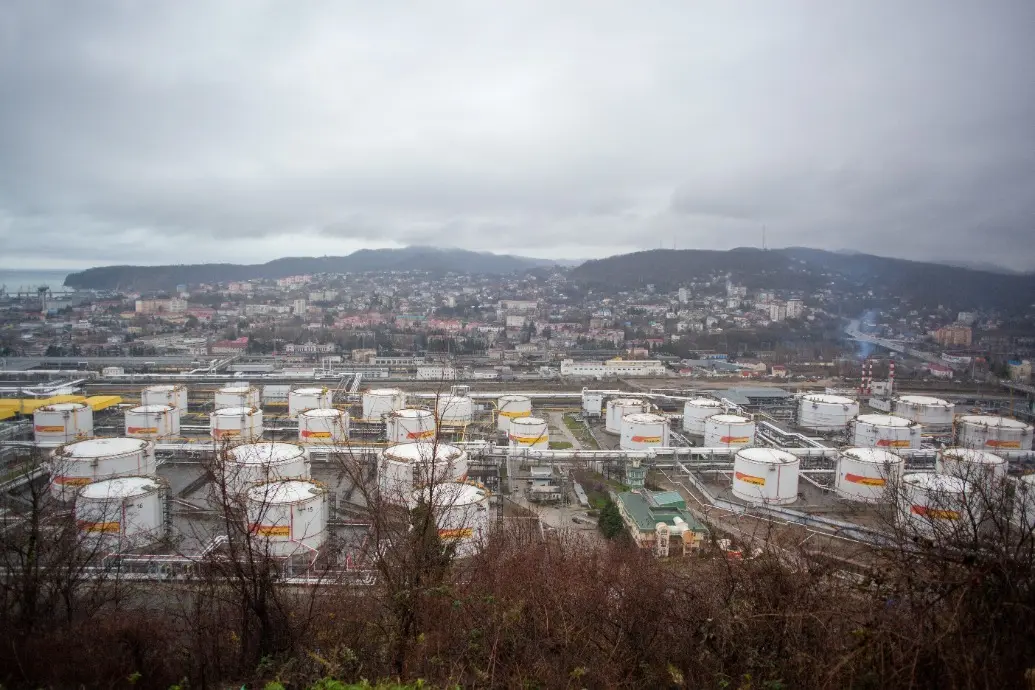
The International Energy Agency (IEA) has issued a stark assessment regarding the stability of global energy markets, warning that Ukraine’s increasingly sophisticated and persistent drone campaign against Russian oil infrastructure is causing systemic disruptions to fuel production. These targeted aerial assaults have not only degraded Russia’s domestic refining capacity to its lowest level in over two decades but have also sent shockwaves through international diesel markets, which were already grappling with tightened supply chains and geopolitical volatility.
According to the latest data from the IEA, the impact of these strikes became acutely visible in the mid-2026 figures. Russian refinery throughput—the total volume of crude oil processed into refined products—plummeted to just 3.8 million barrels per day in June. This figure represents a staggering 30% decline compared to the same month in the previous year, marking a historic low for a nation that has long positioned itself as a global energy powerhouse. The scale of the contraction is unprecedented in the post-Soviet era, illustrating the effectiveness of Ukraine’s strategy to move the theater of economic conflict deep into Russian territory.
The specific nature of the damage suggests a highly calculated approach by Ukrainian forces. Rather than targeting simple storage tanks or administrative buildings, drone strikes have increasingly focused on the high-value, complex processing units that are essential for the production of specialized fuels. These include primary distillation towers, catalytic crackers, and hydrocrackers—the "brains" of a modern refinery responsible for turning heavy crude into high-grade diesel, gasoline, and jet fuel.
The IEA notes that the destruction of these complex units is particularly debilitating because they are not easily or quickly replaced. Under normal market conditions, repairing a sophisticated cracking unit can take several months of specialized engineering work. However, the current geopolitical climate has significantly complicated these recovery efforts. Western sanctions, led by the United Kingdom and its allies, have severely restricted Russia’s access to the high-tech components and specialized expertise required to maintain and repair these facilities. Many of the proprietary technologies used in Russian refineries were originally sourced from Western engineering firms, and the absence of spare parts and technical support has left Russian operators struggling to bring damaged plants back online.
The internal consequences for the Russian economy have been immediate and severe. As refinery output cratered, the availability of finished fuels for the domestic market vanished in many regions. The IEA reports that gasoline output fell by 20% in June, while the production of diesel—the lifeblood of both the Russian agricultural sector and its military logistics—dropped by nearly 30%. This supply vacuum has triggered a widespread domestic crisis, with fuel shortages reported across 92% of all Russian regions by the end of June 2026.