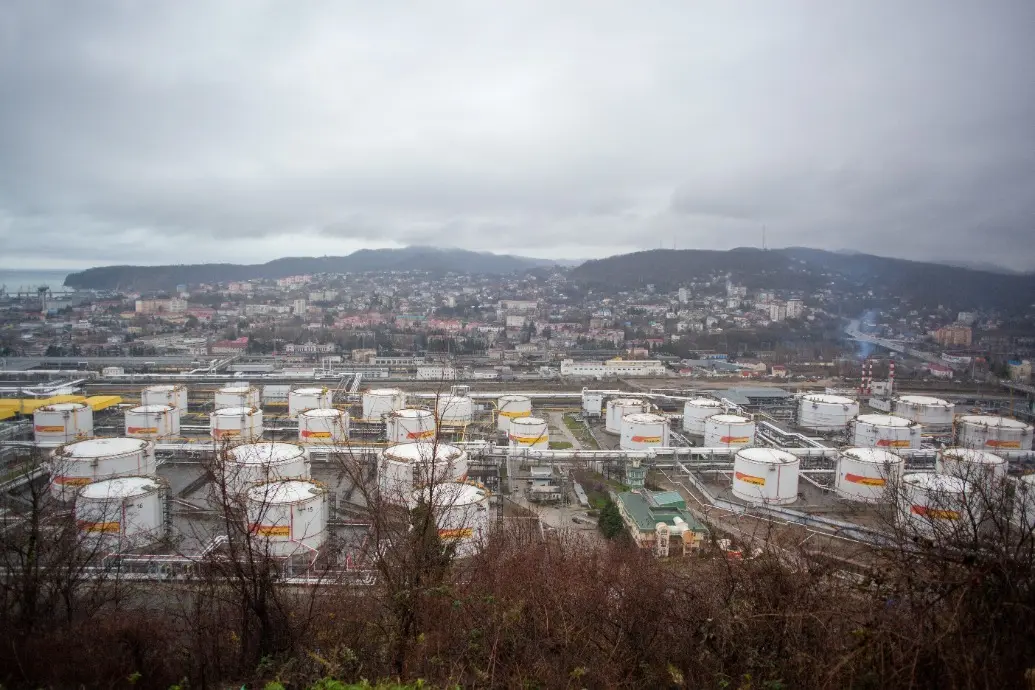
The International Energy Agency (IEA) has issued a stark assessment regarding the stability of global energy markets, warning that Ukraine’s increasingly sophisticated and persistent drone campaign against Russian oil infrastructure is causing systemic disruptions to fuel production. These targeted aerial assaults have not only degraded Russia’s domestic refining capacity to its lowest level in over two decades but have also sent shockwaves through international diesel markets, which were already grappling with tightened supply chains and geopolitical volatility.
According to the latest data from the IEA, the impact of these strikes became acutely visible in the mid-2026 figures. Russian refinery throughput—the total volume of crude oil processed into refined products—plummeted to just 3.8 million barrels per day in June. This figure represents a staggering 30% decline compared to the same month in the previous year, marking a historic low for a nation that has long positioned itself as a global energy powerhouse. The scale of the contraction is unprecedented in the post-Soviet era, illustrating the effectiveness of Ukraine’s strategy to move the theater of economic conflict deep into Russian territory.
The specific nature of the damage suggests a highly calculated approach by Ukrainian forces. Rather than targeting simple storage tanks or administrative buildings, drone strikes have increasingly focused on the high-value, complex processing units that are essential for the production of specialized fuels. These include primary distillation towers, catalytic crackers, and hydrocrackers—the "brains" of a modern refinery responsible for turning heavy crude into high-grade diesel, gasoline, and jet fuel.
The IEA notes that the destruction of these complex units is particularly debilitating because they are not easily or quickly replaced. Under normal market conditions, repairing a sophisticated cracking unit can take several months of specialized engineering work. However, the current geopolitical climate has significantly complicated these recovery efforts. Western sanctions, led by the United Kingdom and its allies, have severely restricted Russia’s access to the high-tech components and specialized expertise required to maintain and repair these facilities. Many of the proprietary technologies used in Russian refineries were originally sourced from Western engineering firms, and the absence of spare parts and technical support has left Russian operators struggling to bring damaged plants back online.
The internal consequences for the Russian economy have been immediate and severe. As refinery output cratered, the availability of finished fuels for the domestic market vanished in many regions. The IEA reports that gasoline output fell by 20% in June, while the production of diesel—the lifeblood of both the Russian agricultural sector and its military logistics—dropped by nearly 30%. This supply vacuum has triggered a widespread domestic crisis, with fuel shortages reported across 92% of all Russian regions by the end of June 2026.
In response to the growing scarcity, the Russian government has been forced to implement drastic measures to prevent a total collapse of the domestic transport and agricultural networks. Local authorities in several provinces have introduced fuel rationing, prioritizing state services and the military over civilian and commercial needs. Furthermore, the Kremlin has moved to protect what remains of its domestic supply by imposing strict restrictions on fuel exports, effectively cutting off a vital source of hard currency revenue.
Perhaps more concerning for the long-term health of the Russian automotive and industrial sectors is the government’s decision to relax fuel-quality requirements. By lowering the environmental and technical standards for gasoline and diesel, Russia is attempting to stretch its limited supplies, allowing refineries to produce lower-grade fuels that would typically be considered substandard. While this may provide a temporary reprieve in terms of volume, industry experts warn that the use of lower-quality fuel can lead to increased engine wear and long-term damage to vehicle fleets and industrial machinery, potentially creating a secondary economic burden in the years to come.
The disruption is by no means confined within Russian borders. As one of the world’s leading exporters of refined petroleum products, Russia’s inability to maintain its usual export volumes has had a profound effect on the global stage. The IEA data shows that global seaborne diesel exports fell by 10% year-on-year during the first eight months of 2026. This contraction has hit international markets at a sensitive time, as many economies continue to rely heavily on diesel for freight transport, construction, and manufacturing.
The tightening of the global diesel market has particular resonance in Europe and parts of Asia, which have historically relied on the steady flow of Russian middle distillates. Although many Western nations have sought to diversify their energy sources since 2022, the sudden removal of such a significant volume of Russian product from the global pool has forced a realignment of trade flows. This shift often involves longer shipping routes and higher freight costs, as replacement supplies must be sourced from more distant refineries in the Middle East, India, or the United States.
Looking ahead, the IEA offers a cautious outlook for the remainder of 2026 and into 2027. The agency expects Russian refinery throughput to remain suppressed, averaging around four million barrels per day for the foreseeable future. This projection suggests that the Russian energy sector will not see a quick recovery, as the dual pressures of ongoing kinetic attacks and restrictive sanctions continue to weigh on its industrial capacity.
The persistence of these disruptions means that global diesel markets could remain under significant pressure for months, if not years. The IEA’s forecast indicates that the "new normal" for the energy sector involves a permanently diminished Russian refining footprint. This reality is likely to keep fuel prices volatile and maintain a high floor for energy costs globally, as the market adjusts to the loss of Russian refining depth.
The strategic shift in the conflict, characterized by Ukraine’s ability to strike deep into the heart of Russia’s industrial base, has fundamentally altered the energy landscape. By focusing on the technical vulnerabilities of the Russian oil industry, Ukraine has managed to create a bottleneck that affects not just the front lines of the war, but the very economic engine that sustains the Russian state.
As the northern hemisphere moves toward the latter half of 2026, the focus of international energy observers remains fixed on the resilience of global supply chains. With Russian output stalled at historically low levels and no immediate end in sight to the drone campaign, the pressure on global diesel stocks is expected to be a defining feature of the energy market for the next eighteen months. The IEA’s warnings serve as a reminder that the intersection of modern warfare and globalized energy markets can have far-reaching consequences, turning local tactical successes into global economic challenges.
The situation also highlights the increasing importance of secondary refining hubs outside of the traditional energy powers. As Russia’s role as a reliable supplier of refined products continues to erode, the global economy is becoming increasingly dependent on the stability and capacity of refineries in other regions to fill the void. However, with many of these facilities already operating at or near peak capacity, the margin for error in the global fuel supply chain has become razor-thin.
In the final analysis, the IEA’s report paints a picture of a Russian energy sector in a state of managed decline, struggling to cope with the physical realities of war and the technical constraints of international isolation. The reported fuel shortages in nearly every Russian region and the significant drop in international seaborne exports are clear indicators that the strategy of targeting refinery infrastructure is achieving its intended effect of straining the Russian economy. As long as the conflict continues to target these critical nodes of production, the global energy market will have to navigate a period of prolonged uncertainty and structural tight supply.