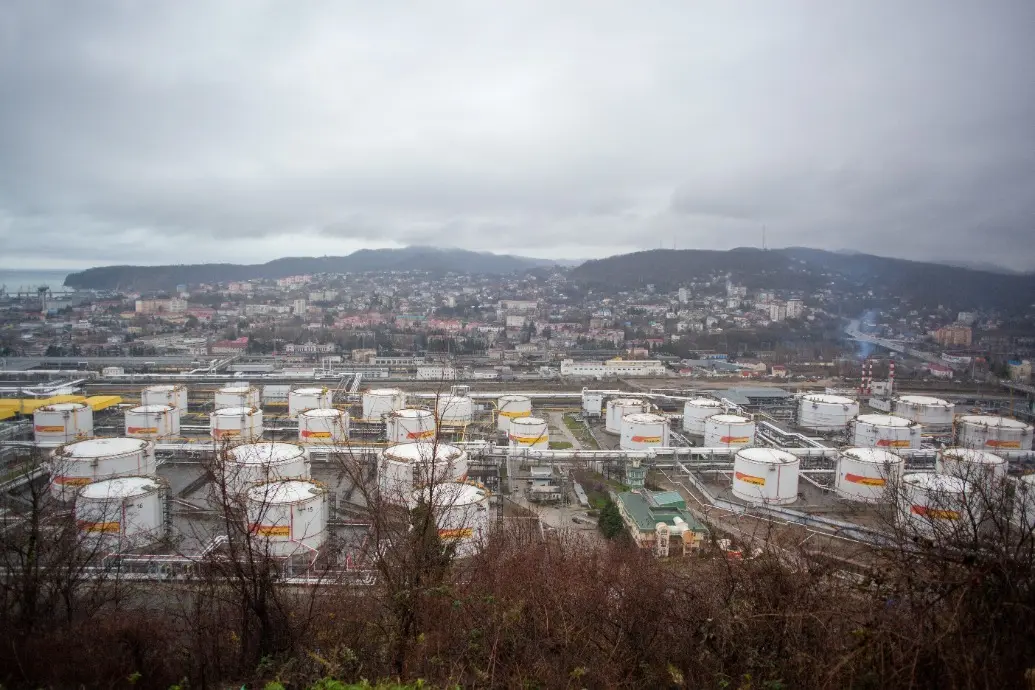
The persistence of these disruptions means that global diesel markets could remain under significant pressure for months, if not years. The IEA’s forecast indicates that the "new normal" for the energy sector involves a permanently diminished Russian refining footprint. This reality is likely to keep fuel prices volatile and maintain a high floor for energy costs globally, as the market adjusts to the loss of Russian refining depth.
The strategic shift in the conflict, characterized by Ukraine’s ability to strike deep into the heart of Russia’s industrial base, has fundamentally altered the energy landscape. By focusing on the technical vulnerabilities of the Russian oil industry, Ukraine has managed to create a bottleneck that affects not just the front lines of the war, but the very economic engine that sustains the Russian state.
As the northern hemisphere moves toward the latter half of 2026, the focus of international energy observers remains fixed on the resilience of global supply chains. With Russian output stalled at historically low levels and no immediate end in sight to the drone campaign, the pressure on global diesel stocks is expected to be a defining feature of the energy market for the next eighteen months. The IEA’s warnings serve as a reminder that the intersection of modern warfare and globalized energy markets can have far-reaching consequences, turning local tactical successes into global economic challenges.
The situation also highlights the increasing importance of secondary refining hubs outside of the traditional energy powers. As Russia’s role as a reliable supplier of refined products continues to erode, the global economy is becoming increasingly dependent on the stability and capacity of refineries in other regions to fill the void. However, with many of these facilities already operating at or near peak capacity, the margin for error in the global fuel supply chain has become razor-thin.
In the final analysis, the IEA’s report paints a picture of a Russian energy sector in a state of managed decline, struggling to cope with the physical realities of war and the technical constraints of international isolation. The reported fuel shortages in nearly every Russian region and the significant drop in international seaborne exports are clear indicators that the strategy of targeting refinery infrastructure is achieving its intended effect of straining the Russian economy. As long as the conflict continues to target these critical nodes of production, the global energy market will have to navigate a period of prolonged uncertainty and structural tight supply.