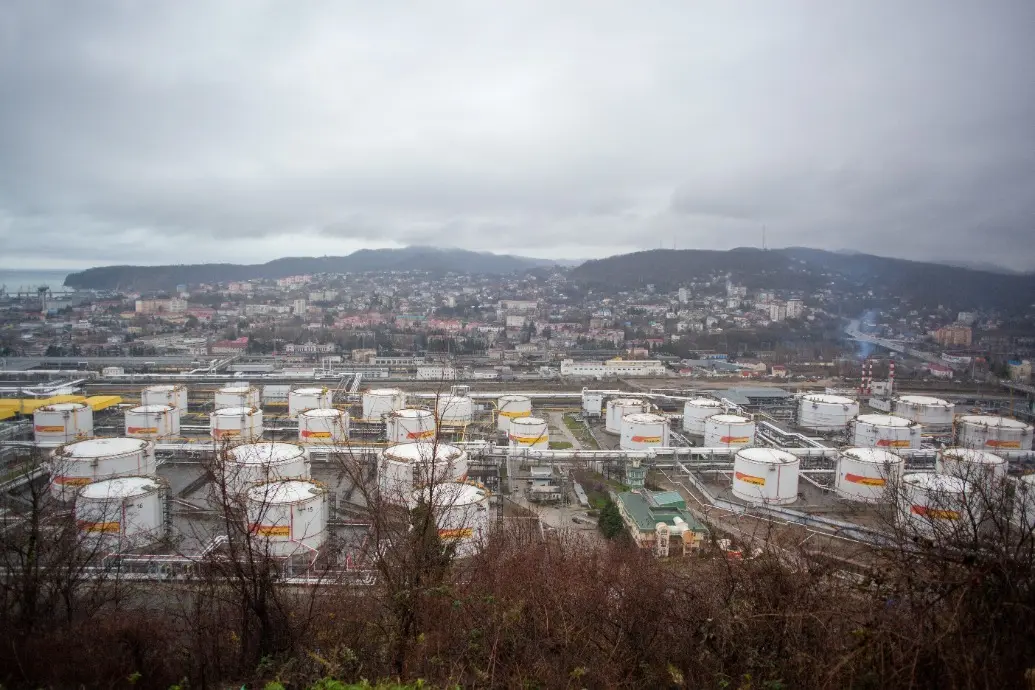
In response to the growing scarcity, the Russian government has been forced to implement drastic measures to prevent a total collapse of the domestic transport and agricultural networks. Local authorities in several provinces have introduced fuel rationing, prioritizing state services and the military over civilian and commercial needs. Furthermore, the Kremlin has moved to protect what remains of its domestic supply by imposing strict restrictions on fuel exports, effectively cutting off a vital source of hard currency revenue.
Perhaps more concerning for the long-term health of the Russian automotive and industrial sectors is the government’s decision to relax fuel-quality requirements. By lowering the environmental and technical standards for gasoline and diesel, Russia is attempting to stretch its limited supplies, allowing refineries to produce lower-grade fuels that would typically be considered substandard. While this may provide a temporary reprieve in terms of volume, industry experts warn that the use of lower-quality fuel can lead to increased engine wear and long-term damage to vehicle fleets and industrial machinery, potentially creating a secondary economic burden in the years to come.
The disruption is by no means confined within Russian borders. As one of the world’s leading exporters of refined petroleum products, Russia’s inability to maintain its usual export volumes has had a profound effect on the global stage. The IEA data shows that global seaborne diesel exports fell by 10% year-on-year during the first eight months of 2026. This contraction has hit international markets at a sensitive time, as many economies continue to rely heavily on diesel for freight transport, construction, and manufacturing.
The tightening of the global diesel market has particular resonance in Europe and parts of Asia, which have historically relied on the steady flow of Russian middle distillates. Although many Western nations have sought to diversify their energy sources since 2022, the sudden removal of such a significant volume of Russian product from the global pool has forced a realignment of trade flows. This shift often involves longer shipping routes and higher freight costs, as replacement supplies must be sourced from more distant refineries in the Middle East, India, or the United States.
Looking ahead, the IEA offers a cautious outlook for the remainder of 2026 and into 2027. The agency expects Russian refinery throughput to remain suppressed, averaging around four million barrels per day for the foreseeable future. This projection suggests that the Russian energy sector will not see a quick recovery, as the dual pressures of ongoing kinetic attacks and restrictive sanctions continue to weigh on its industrial capacity.