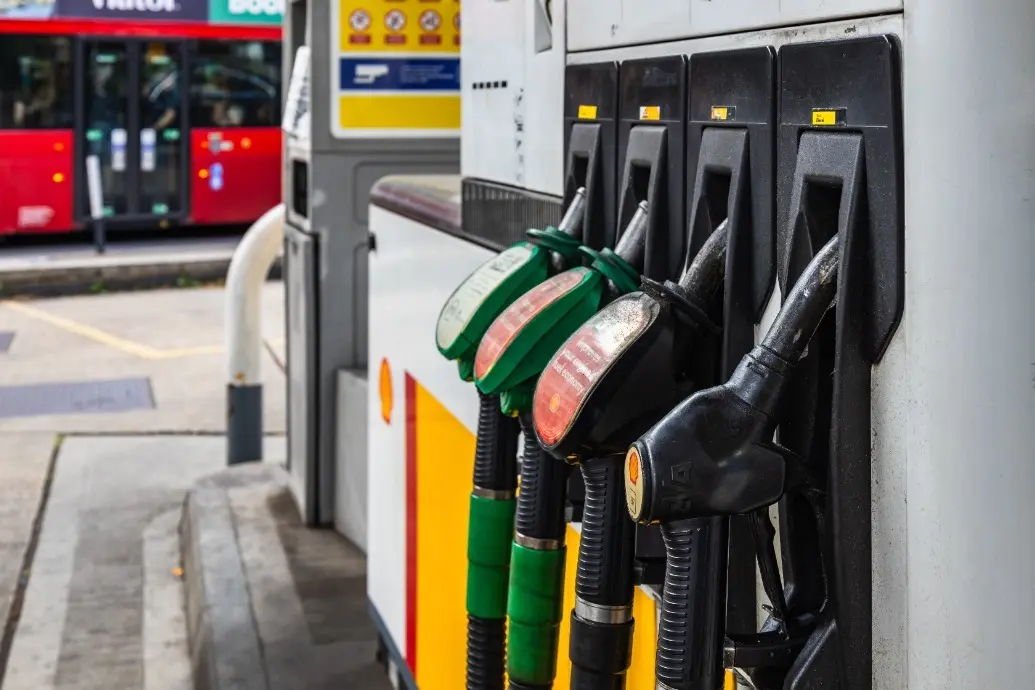
The British transport sector and millions of motorists across the country are facing a historic financial burden this week as diesel prices at the pump have officially climbed to their highest level ever recorded. According to the latest market data, forecourts across the United Kingdom are now charging an average of 199.18p per litre for diesel, a figure that represents a staggering escalation in the cost of living and a significant blow to the nation’s logistics and supply chain infrastructure. This new peak comes at a time of extreme global volatility, highlighting the fragility of domestic fuel markets in the face of international conflict and shifting diplomatic relations in the Middle East.
The current price point of nearly £2 per litre marks a somber milestone for the UK economy, particularly when viewed through a historical lens. To understand the scale of the current price surge, one must look back just over a decade to February 2016. During that period, the UK enjoyed a record low in fuel costs, with diesel selling for an average of 100.19p per litre. In the intervening years, the price has effectively doubled, reflecting a transformative shift in global energy dynamics, refining capacities, and the geopolitical landscape. For many long-term observers of the energy sector, the jump from approximately £1 to nearly £2 per litre serves as a stark illustration of how rapidly the economic environment can deteriorate when global supply chains are disrupted.
The primary driver behind this latest spike is the ongoing instability in the global oil market, which has been severely exacerbated by the outbreak of the US-Iran war. Energy analysts have noted that fuel prices have been a major contributor to rising inflation since March, acting as the first point of impact for consumers as the conflict escalated. Petrol and diesel costs were among the first commodities to react to the initial surge in crude oil prices following the start of hostilities. Because diesel is the lifeblood of the commercial transport sector—powering everything from heavy goods vehicles and delivery vans to agricultural machinery and public transport—the ripple effects of this price increase are being felt far beyond the petrol station forecourt.
Simon Williams, the head of policy at the RAC, has been monitoring the situation closely as prices approached this record-breaking threshold. Speaking to Sky News regarding the current state of the market, Williams emphasized the vulnerability of the UK’s domestic economy to external shocks. He noted that these extraordinarily high prices serve as a persistent reminder of just how exposed the UK remains to events occurring far away from its shores. The interconnected nature of the global energy market means that even localized conflicts in oil-producing regions can have an immediate and devastating impact on the pocketbooks of British drivers and the operational costs of British businesses.
The mechanism by which global crude prices translate to local pump prices is often a source of frustration for consumers, who frequently see prices rise instantly when oil becomes more expensive but fall much more slowly when market conditions improve. Williams addressed this concern by pointing out that the current situation requires more than just a brief dip in the price of a barrel of oil to provide relief to motorists. He explained that only a sustained lower oil price—maintained over a period of several weeks, rather than just a few days—will eventually lead to cheaper prices at the pumps. This lag is due to the way fuel is purchased by retailers on the wholesale market, where prices are often locked in based on short-term averages, meaning that volatility at the top of the supply chain takes time to filter down to the consumer level.

Adding to the complexity of the current crisis is the role of other major energy players on the world stage. Recent reports have highlighted that Saudi Arabia has threatened to cut its crude oil supply to Europe, a move that would further tighten an already constricted market. Such a reduction in supply would likely keep upward pressure on prices, regardless of fluctuations in demand. As one of the world’s largest exporters of crude oil, Saudi Arabia’s strategic decisions regarding production levels have a profound impact on the Brent Crude benchmark, which serves as the primary pricing reference for the UK market. The threat of reduced supply to the European continent comes at a particularly precarious time, as nations are already struggling to secure stable energy sources amidst the fallout of the US-Iran conflict.
The impact of 199.18p per litre diesel is being felt most acutely by the UK haulage industry. With diesel making up a significant portion of the operating costs for logistics companies, many are being forced to implement fuel surcharges or pass the increased costs directly onto retailers. This, in turn, contributes to the broader inflationary pressures mentioned by economists. When the cost of transporting goods increases, the price of products on supermarket shelves inevitably follows. From fresh produce to consumer electronics, the "diesel tax" is effectively an invisible levy on every item moved by road across the country.
Furthermore, the psychological impact on the British public cannot be understated. For many households, the cost of commuting has become a primary financial concern. Those living in rural areas, where public transport options are often limited and reliance on personal vehicles is a necessity, are being hit particularly hard. The doubling of prices since 2016 means that a full tank of fuel for a standard family car now costs twice as much as it did a decade ago, significantly reducing the discretionary income of millions of people.
As the UK navigates this period of record-high fuel costs, the focus remains on the international stage. The duration and intensity of the US-Iran war will continue to be the most significant factor in determining whether diesel prices will stabilize or continue their ascent toward even more unprecedented levels. Market analysts are keeping a close watch on refinery margins and currency fluctuations, as the value of the pound against the US dollar also plays a crucial role in the final price paid at the pump, given that oil is traded globally in dollars.
While there have been calls for government intervention or further cuts to fuel duty to alleviate the pressure on motorists, the fundamental issue remains one of global supply and demand. The RAC’s assessment suggests that until the geopolitical situation stabilizes and the threat of supply cuts from major producers like Saudi Arabia diminishes, the prospect of a return to the lower prices of previous years remains remote. The 199.18p average is not just a statistic; it is a reflection of a global energy system under immense strain, where the intersection of war, diplomacy, and resource management dictates the daily reality for every driver in the UK.
As the situation develops, the focus for many will be on whether the 200p per litre barrier will be the next milestone to fall. For now, the record high of 199.18p stands as a testament to a decade of extreme market shifts and the enduring sensitivity of the UK’s energy security to the whims of international politics. With no immediate end in sight for the conflict in the Middle East and supply threats continuing to loom over the European market, the road ahead for UK motorists appears increasingly costly. The hope for a sustained period of lower oil prices remains the only viable path toward relief, but such a shift depends entirely on a de-escalation of the global tensions that have brought the market to this breaking point.