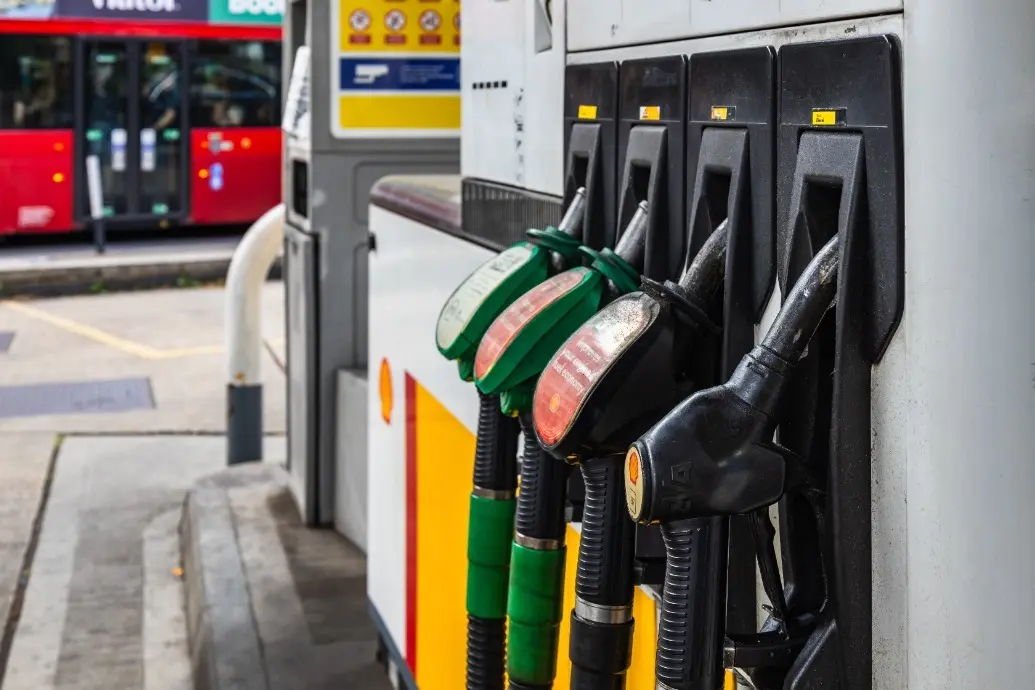
The mechanism by which global crude prices translate to local pump prices is often a source of frustration for consumers, who frequently see prices rise instantly when oil becomes more expensive but fall much more slowly when market conditions improve. Williams addressed this concern by pointing out that the current situation requires more than just a brief dip in the price of a barrel of oil to provide relief to motorists. He explained that only a sustained lower oil price—maintained over a period of several weeks, rather than just a few days—will eventually lead to cheaper prices at the pumps. This lag is due to the way fuel is purchased by retailers on the wholesale market, where prices are often locked in based on short-term averages, meaning that volatility at the top of the supply chain takes time to filter down to the consumer level.

Adding to the complexity of the current crisis is the role of other major energy players on the world stage. Recent reports have highlighted that Saudi Arabia has threatened to cut its crude oil supply to Europe, a move that would further tighten an already constricted market. Such a reduction in supply would likely keep upward pressure on prices, regardless of fluctuations in demand. As one of the world’s largest exporters of crude oil, Saudi Arabia’s strategic decisions regarding production levels have a profound impact on the Brent Crude benchmark, which serves as the primary pricing reference for the UK market. The threat of reduced supply to the European continent comes at a particularly precarious time, as nations are already struggling to secure stable energy sources amidst the fallout of the US-Iran conflict.
The impact of 199.18p per litre diesel is being felt most acutely by the UK haulage industry. With diesel making up a significant portion of the operating costs for logistics companies, many are being forced to implement fuel surcharges or pass the increased costs directly onto retailers. This, in turn, contributes to the broader inflationary pressures mentioned by economists. When the cost of transporting goods increases, the price of products on supermarket shelves inevitably follows. From fresh produce to consumer electronics, the "diesel tax" is effectively an invisible levy on every item moved by road across the country.
Furthermore, the psychological impact on the British public cannot be understated. For many households, the cost of commuting has become a primary financial concern. Those living in rural areas, where public transport options are often limited and reliance on personal vehicles is a necessity, are being hit particularly hard. The doubling of prices since 2016 means that a full tank of fuel for a standard family car now costs twice as much as it did a decade ago, significantly reducing the discretionary income of millions of people.