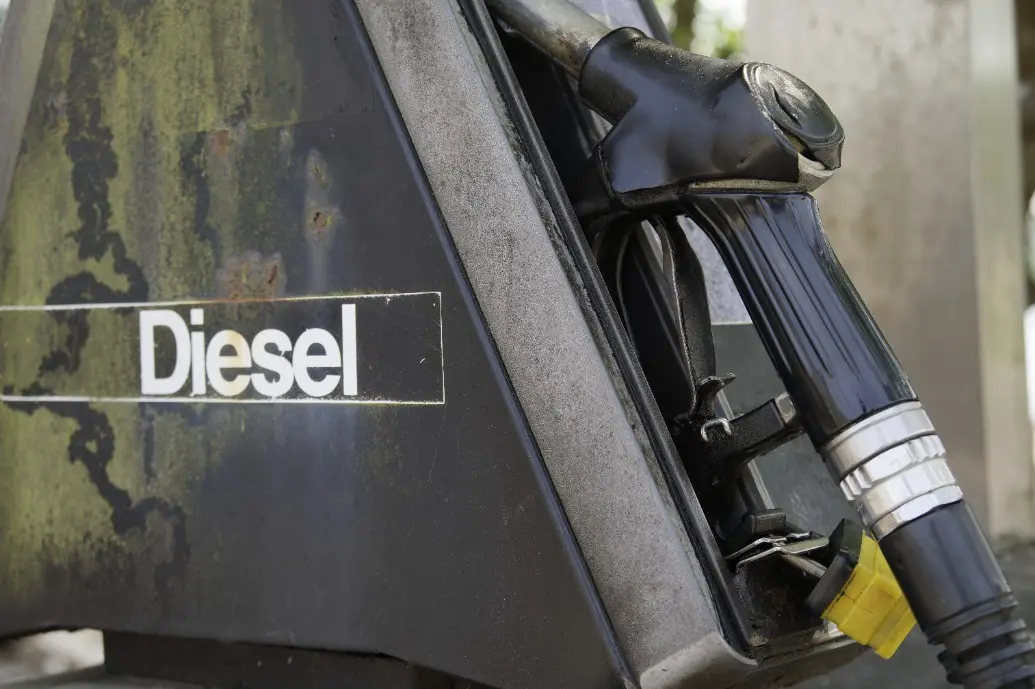
The Transport Minister’s reassurance that people "can still go to the pump and fill up" is a deliberate attempt to avoid the scenes of chaos witnessed during previous fuel supply scares. In the past, even minor suggestions of a supply chain hiccup have led to long queues at petrol stations, which in turn creates a self-fulfilling prophecy of shortage as the localized supply is exhausted faster than tankers can replenish it. By emphasizing the resilience of the system, Mather is attempting to manage public psychology as much as the physical supply of fuel.
The broader context of this dispute is a global energy market that remains incredibly volatile. The Trump administration’s demand that Europe release its reserves is seen by many as an attempt to force other nations to take the political and economic hit of depleting their "rainy day" funds to subsidize lower global prices. For the UK, which is no longer a member of the European Union but remains geographically and economically tied to the continent’s energy grid, this creates a complex balancing act. The UK must cooperate with its neighbors for the sake of regional stability while also maintaining its own independent energy policy.
As the week draws to a close, the focus remains on the outcome of the high-level talks between London, Paris, Berlin, and Washington. The UK government has made it clear that while it is prepared for the worst-case scenario through its 42-day reserve and European partnerships, its primary objective is to keep the channels of trade open. The coming days will be crucial in determining whether the US administration follows through on its threat or if a diplomatic compromise can be reached that secures the flow of diesel across the Atlantic.
For now, the message from Whitehall is one of cautious confidence. The infrastructure is in place, the reserves are stocked, and the diplomatic machinery is in full gear. While the rhetoric from the United States has introduced a new level of uncertainty into the energy market, the UK government is banking on its "inherent resilience" to see the country through the current storm without a crisis at the pumps. The resilience of the UK’s fuel supply is being tested not just by the physical availability of diesel, but by the strength of its international alliances and the effectiveness of its domestic communication in the face of a mounting global energy standoff.