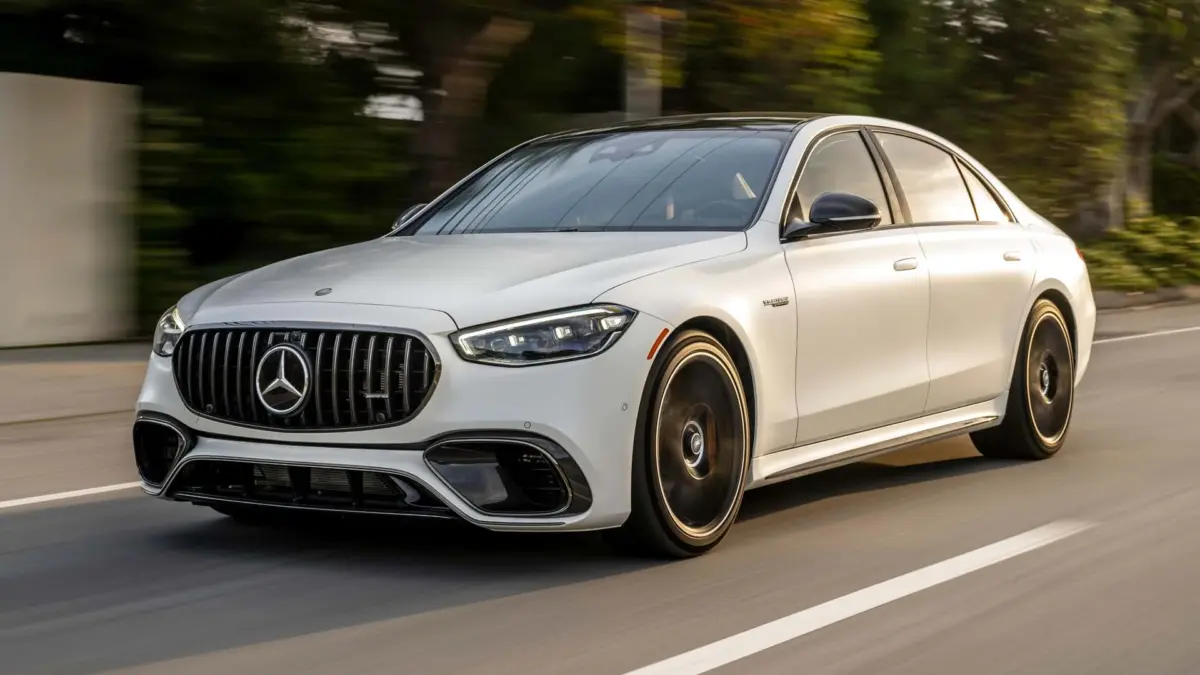
This decision does not imply a retreat from electric luxury. Instead, it suggests that future electric Maybach offerings will likely be integrated more seamlessly into the brand’s primary vehicle families. By retiring the Maybach EQS 680 SUV as a standalone entity, Mercedes-Benz can focus its resources on creating ultra-luxury versions of its next-generation vehicles, which are expected to drop the "EQ" prefix in favor of more traditional nomenclature.
A Strategic Pivot Toward Integration
The decision to cut these three high-profile models is part of a much larger narrative unfolding at Mercedes-Benz’s headquarters in Stuttgart. For several years, the company operated under a dual-track strategy, maintaining a traditional internal combustion lineup alongside a parallel "EQ" brand for electric vehicles. However, as the automotive market matures and consumer preferences evolve, the distinction between "gas-powered" and "electric" is becoming less of a marketing asset and more of a logistical hurdle.
Mercedes-Benz’s plan to pare back its EV-specific lineup is an admission that the future of the brand lies in a unified identity. The 2027 model year represents a pivotal moment in this transition, as the company works to bring its electric offerings closer to their gas-powered counterparts in terms of design, naming, and market positioning. This "seamless integration" aims to make the choice of a battery-electric powertrain feel like a natural option within a specific model line, rather than a separate lifestyle choice defined by a different brand name.
Furthermore, these cuts are likely influenced by broader economic pressures facing the European automotive industry. Recent reports have highlighted the company’s focus on cost reduction, with warnings that even established German manufacturing plants could face closure unless operational efficiency improves. By slimming down a portfolio that has grown increasingly complex, Mercedes-Benz can better allocate its research and development budget toward the technologies that will define the next decade, such as advanced AI-driven software and next-generation battery chemistry.
The 2027 model year will serve as a reset for Mercedes-Benz. While the loss of the EQE, the S63 E Performance, and the Maybach EQS SUV may disappoint some enthusiasts, these moves are designed to ensure the long-term viability and clarity of the brand. As the company prepares for the launch of new electric architectures and more traditionally styled EVs, the "slimming down" of today’s lineup is the first step toward a more focused and efficient tomorrow. The automotive world will be watching closely to see which models are next on the chopping block and how Mercedes-Benz intends to fill the gaps left by these departing icons.