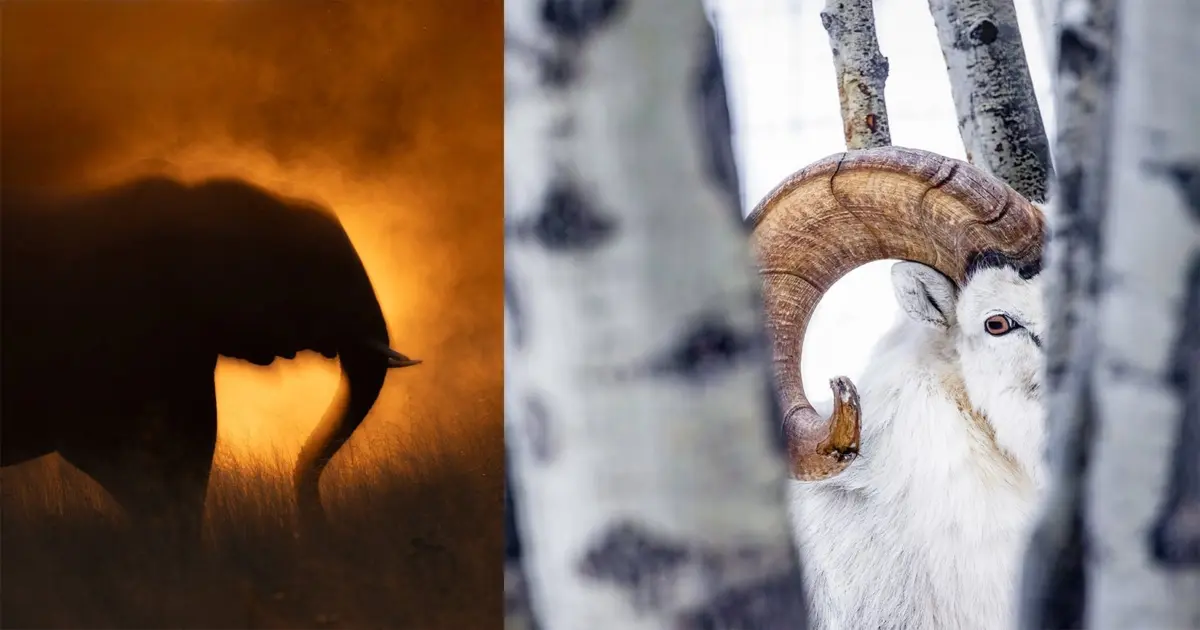
In the contemporary landscape of digital imagery, where high-resolution sensors and sophisticated algorithms strive to reveal every minute detail of a scene, a curious paradox has emerged at the heart of the craft. While technical perfection is more accessible than ever, the most evocative and enduring photographs are often those that choose to withhold information rather than disclose it. According to renowned photographer Richard Bernabe, in a series of insights shared through Muench Workshops, the strategic use of mystery has become a "secret weapon" for the modern artist—a way to transform a literal record of a moment into an expressive work that resonates long after the initial viewing.
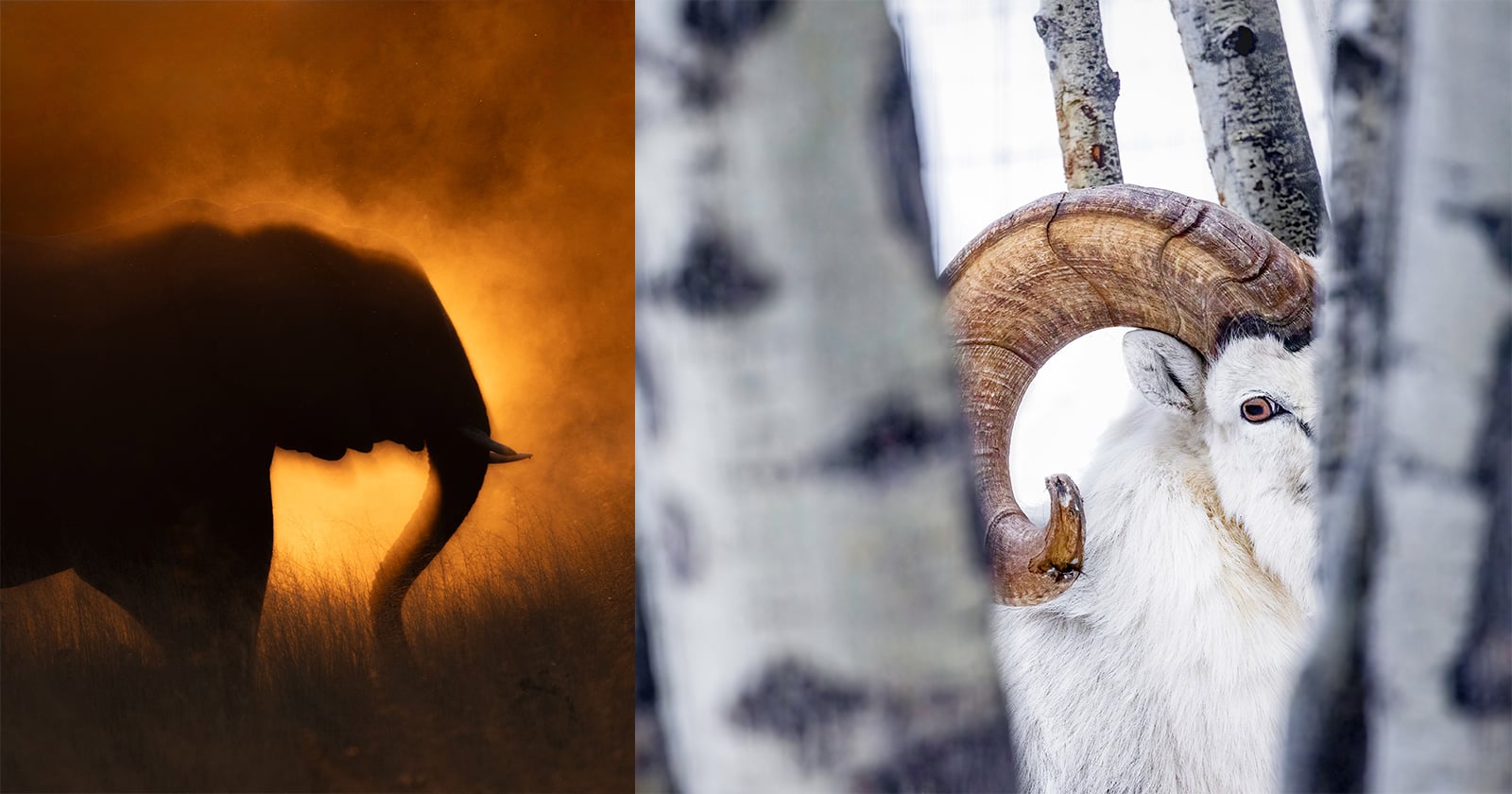
In an era defined by instant gratification and the relentless oversharing of visual data, the concept of the "unseen" offers a refreshing departure. By leaning into the suggested, the obscured, and the ambiguous, photographers can tap into a primal aspect of human psychology: our innate drive to solve puzzles and complete unfinished narratives.
The Psychology of the Incomplete Pattern
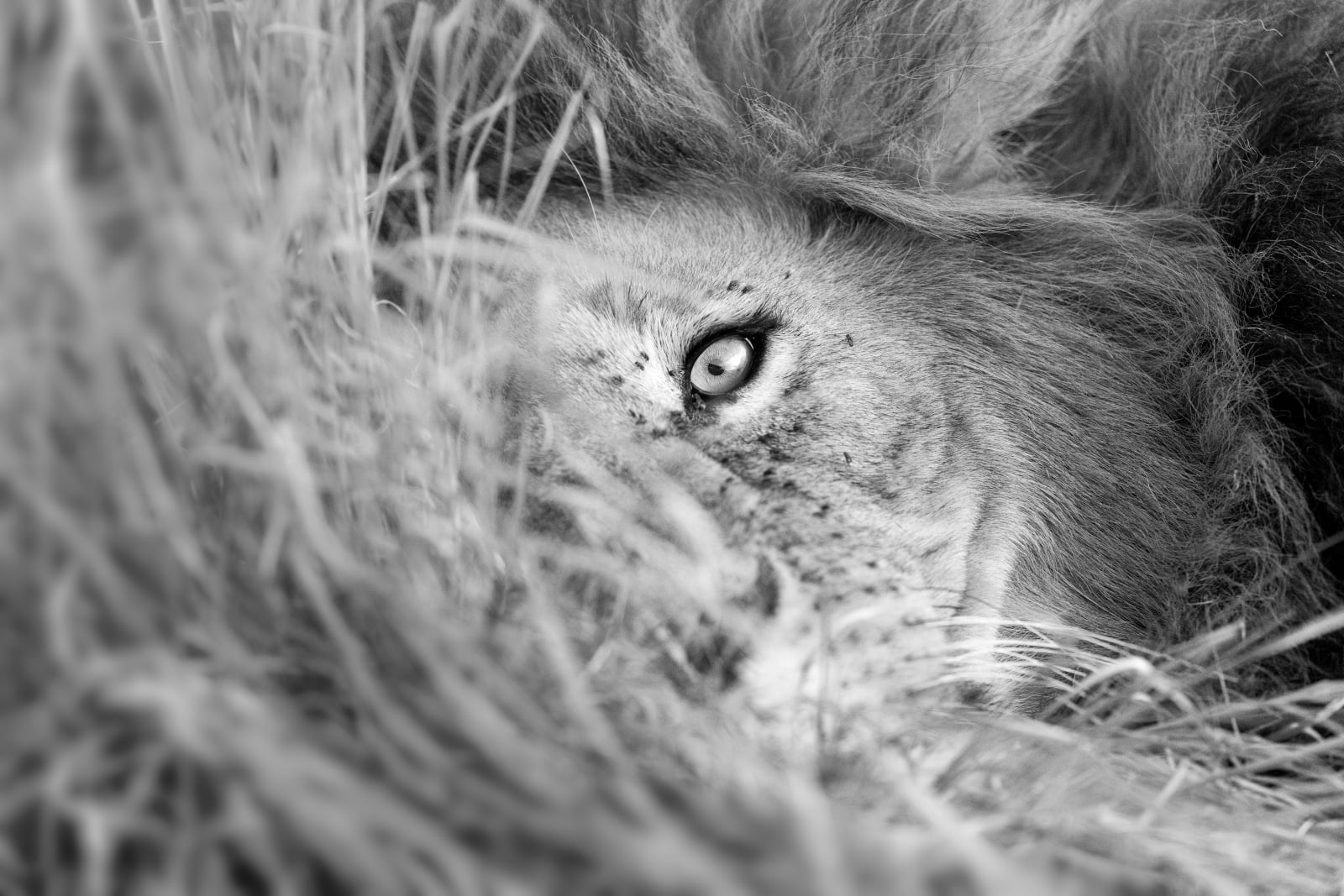
Human cognition is hardwired for pattern recognition and completion. When we encounter a visual "gap"—whether it is a predator’s eye peering through dense grass or a trail that vanishes into a thick mist—our brains do not simply ignore the missing information. Instead, we lean in. This phenomenon creates a form of cognitive tension that demands resolution.
Bernabe notes that when a photograph explains everything, it provides immediate satisfaction but often fails to leave a lasting impression. Once the "data" of the image is processed, the viewer moves on. However, an image that incorporates mystery invites the viewer to stay. We explore the frame, searching for clues, and in doing so, we construct our own visual narratives to fill in the blanks. This transition from passive observation to active participation is what gives an image its emotional weight and staying power.
This approach to photography was not born in a vacuum; it is a legacy inherited from centuries of artistic tradition. In literature, Ernest Hemingway famously championed the "Iceberg Theory," suggesting that the dignity of movement of an iceberg is due to only one-eighth of it being above water. He believed that a writer could omit things they knew, and the reader would feel those omissions as if the writer had put them in.
Similarly, in the world of fine art, the Mona Lisa’s smile remains the most discussed expression in history precisely because it is enigmatic. It is an unresolved visual chord that allows the viewer to project their own emotions onto the canvas. Even in cinema, the most effective thrills often come from what is not shown; the shark in Steven Spielberg’s Jaws is terrifying because for much of the film, it exists only in the viewer’s imagination, fueled by suggestion and suspense.
Less Can Be More: The Strategy of Withholding
The decision to hide parts of a subject is a deliberate move that shifts the power dynamic of a photograph. What is withheld from the frame often gains more emotional potency than what is revealed. Bernabe illustrates this through the example of a lion in the Maasai Mara. A clear, full-body shot of a lion standing in the open is a documentary success, but a close-up of a single eye peering through tall, golden grass is a psychological one.

In the latter scenario, the hidden body of the lion becomes charged with possibility. The viewer’s mind assigns more weight to the unknown predator than to the visible one. This creates a space where the audience’s own fears, desires, and expectations can manifest. The image becomes a mirror of the viewer’s internal state, making the experience deeply personal.
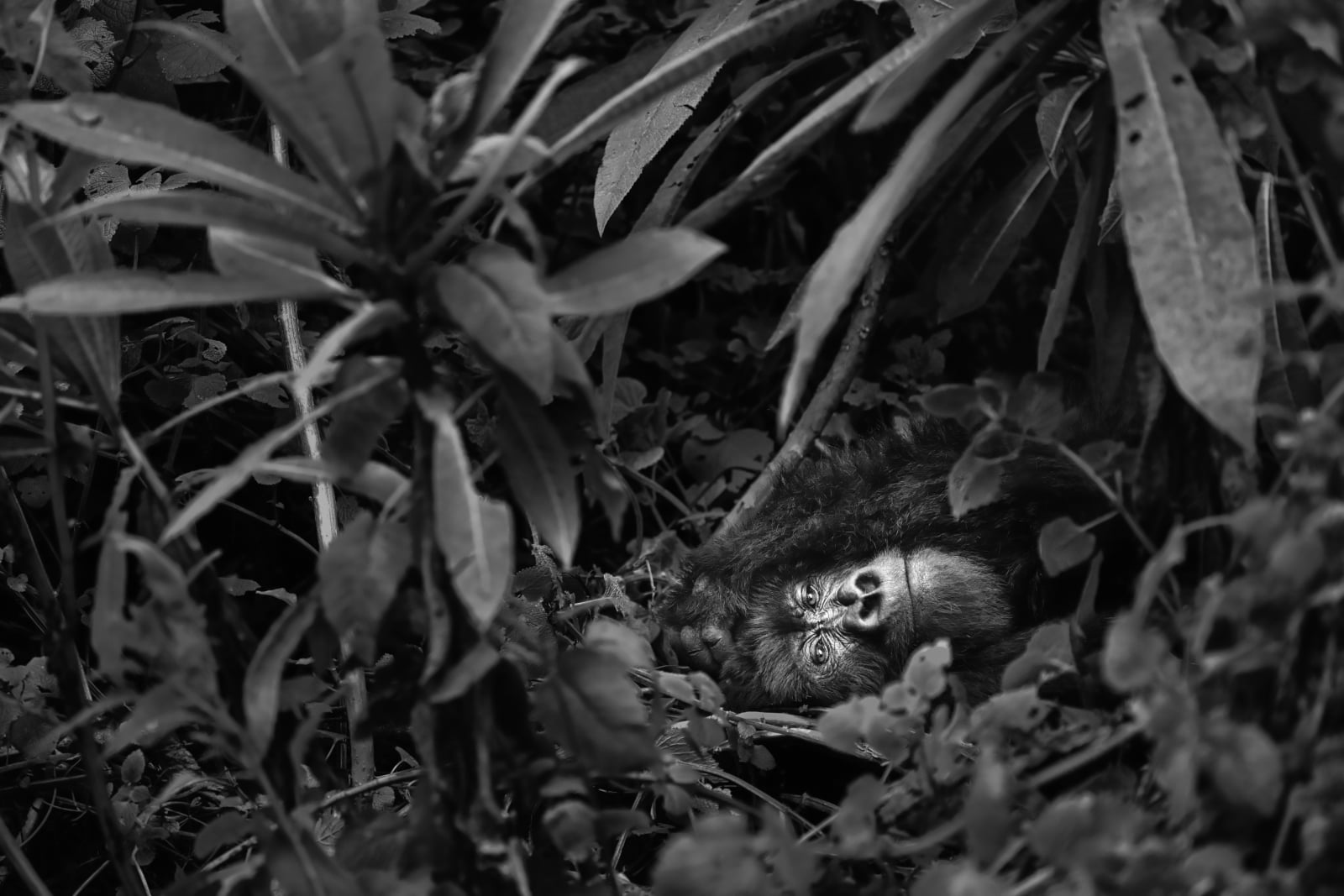
This philosophy extends to wildlife photography in diverse environments. In Volcanoes National Park, Rwanda, a mountain gorilla nestled among dense foliage is not just a subject; it is a discovery. By allowing the vegetation to partially obscure the animal, the photographer forces the viewer to search the frame, mimicking the actual experience of a trekker in the wild. The "search" becomes part of the viewing experience, mirroring the effort required to find such a creature in its natural habitat.
The Power of Suggestion and the Phantom Subject
In many ways, the use of suggestion is counterintuitive to the traditional goals of photography. One might assume that the goal is to show the subject as clearly as possible. Yet, human emotion is often more powerfully activated through implication than through explicit display.
Consider the image of bear tracks pressed into the rippled sand of a beach in Lake Clark National Park, Alaska. The bear itself is nowhere to be seen, yet its presence is undeniable. The tracks suggest movement, weight, and a story that continues well beyond the edges of the frame. This "phantom" subject allows the mystery to endure. A conventional portrait of the bear might resolve the tension, but the tracks invite questions: Where was it going? How long ago was it here? Is it still nearby? By capturing the evidence of the subject rather than the subject itself, the photographer allows the viewer’s imagination to run wild.
Ambiguity as a Collaborative Act
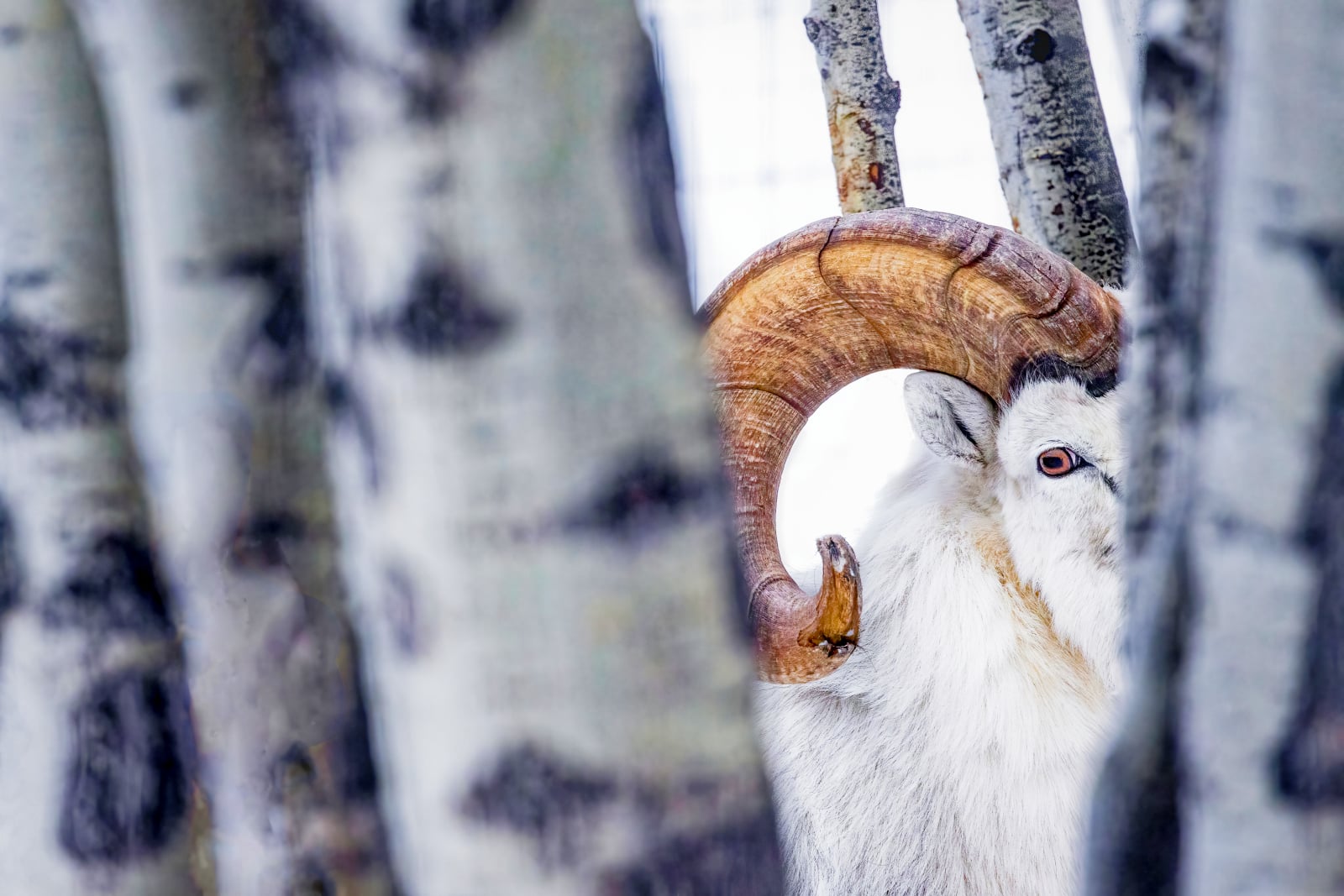
While mystery involves withholding information, its close cousin, ambiguity, involves presenting information that can be interpreted in multiple ways. This is a crucial tool for any photographer looking to engage their audience on a deeper level.
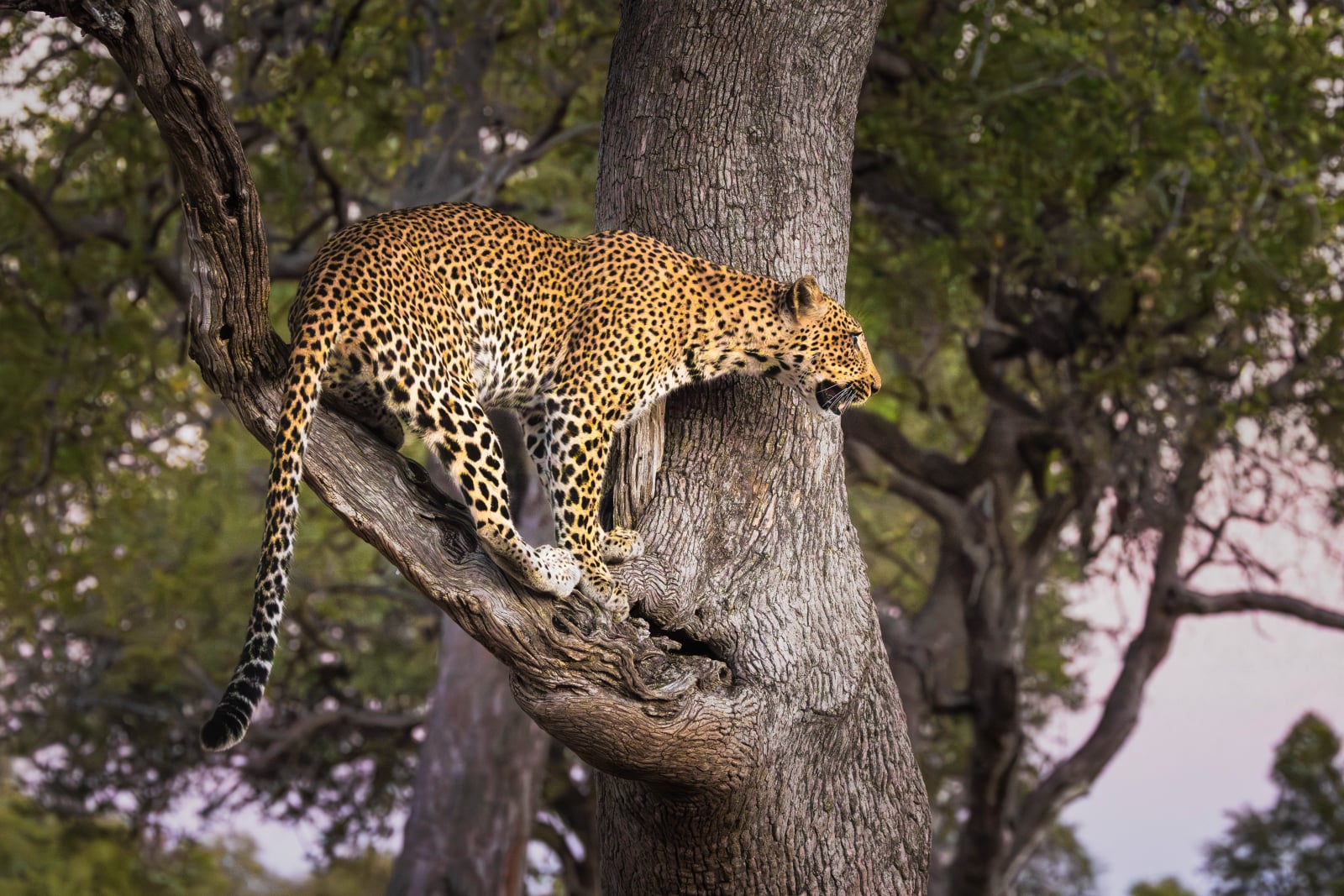
When a photographer captures a leopard staring intently at something outside the frame, they are presenting an ambiguous situation. Is the cat looking at prey? Is it watching a rival? Or is it simply observing the movement of the wind? Because the answer is not provided, the viewer becomes a co-creator of the story. They bring their own life experiences and moods to the interpretation.
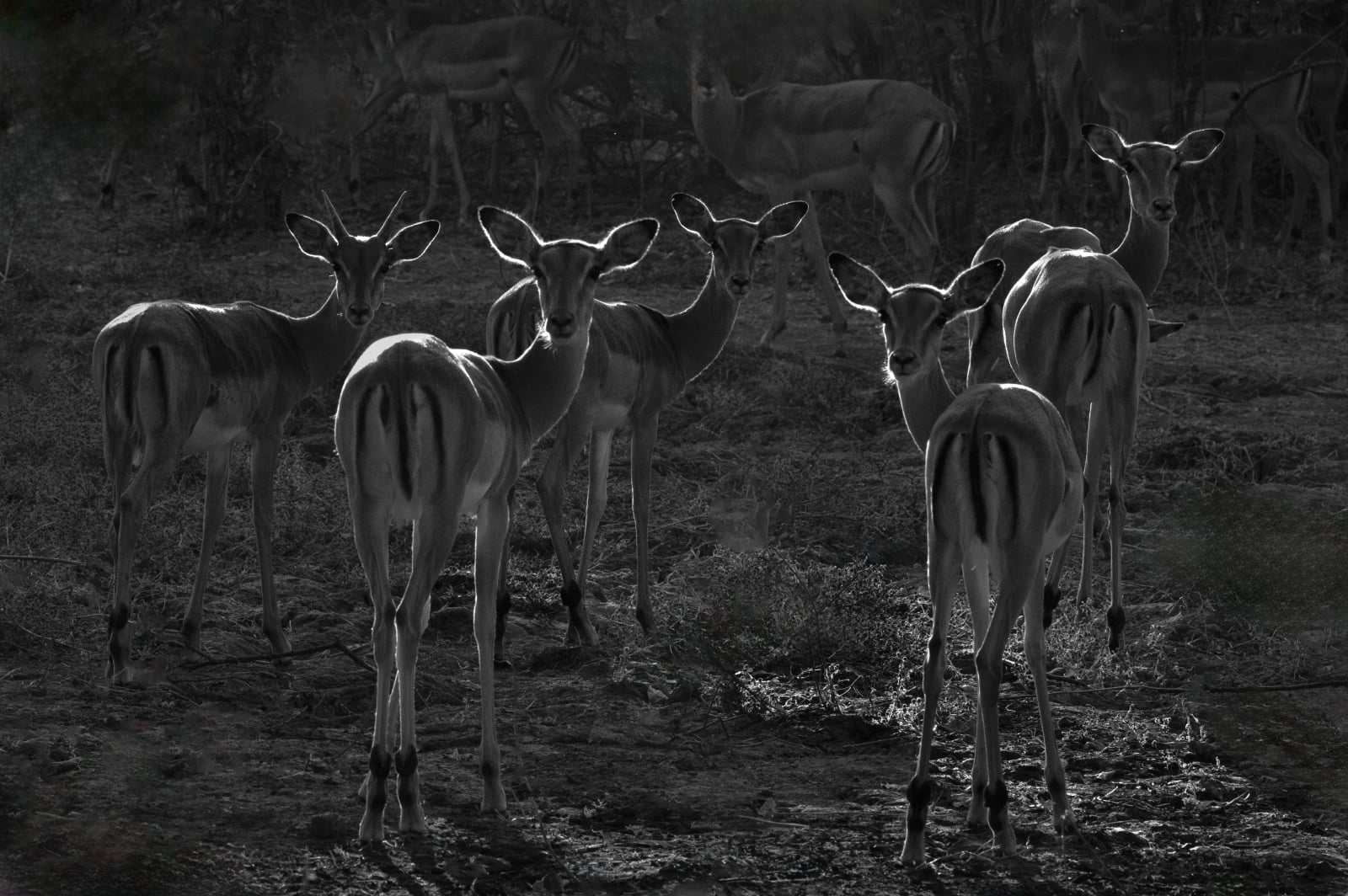
This collaboration is evident in images of groups of animals as well. In Zambia’s Lower Zambezi National Park, a herd of impalas all looking in the same direction creates a powerful sense of "off-screen" narrative. Whatever has caught their collective attention is, for that moment, the most important thing in their world—and because we cannot see it, it becomes the most important thing in ours as well.
The Conceptual Toolkit of the Unknown
To successfully weave mystery into their work, photographers must master several conceptual and technical tools. These are not merely settings on a camera, but choices in how to interpret a scene:
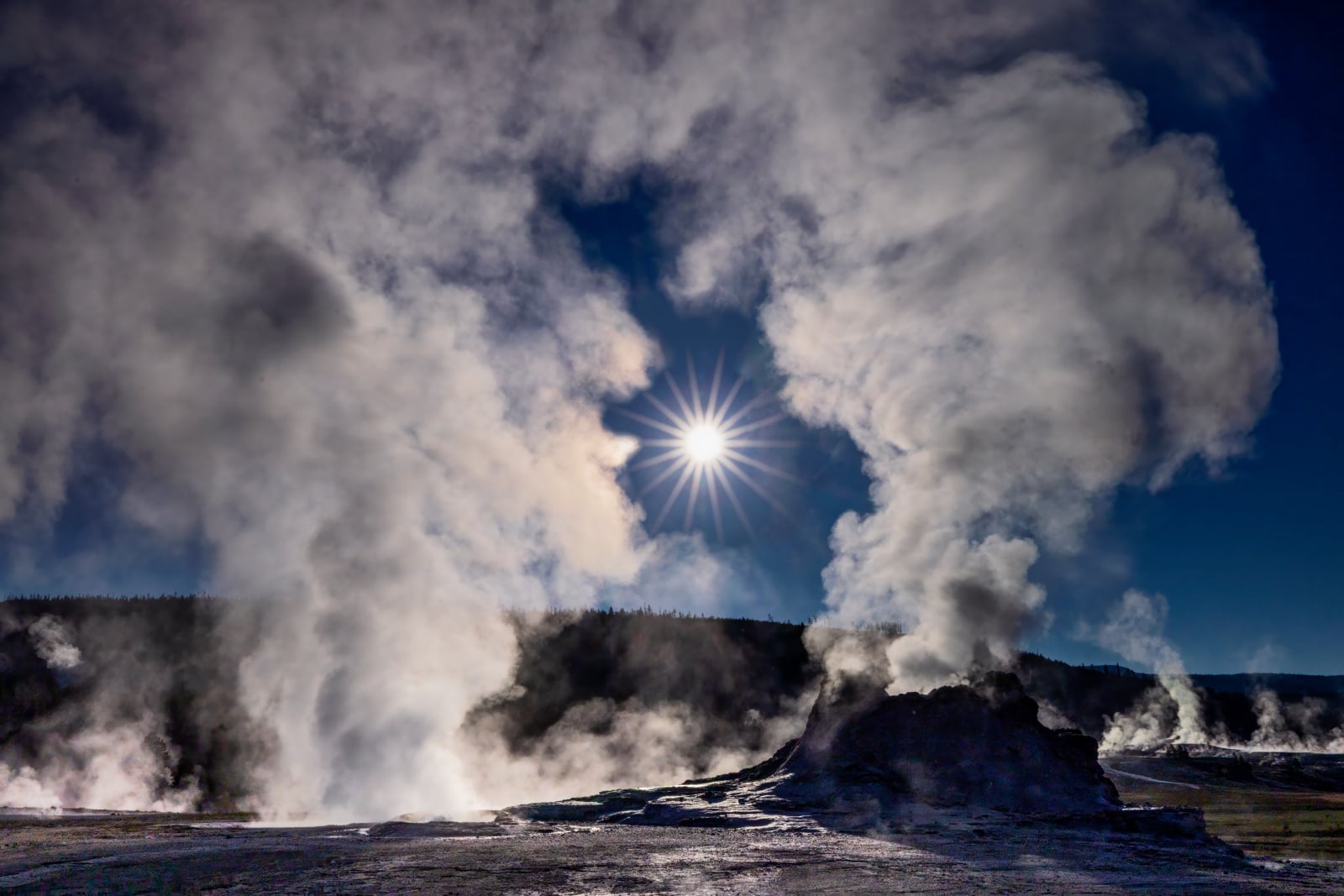
- Shadows and Light: Mystery often thrives in the dark. By allowing shadows to swallow parts of the composition, a photographer can simplify a complex scene and focus the viewer’s attention on specific, evocative details.
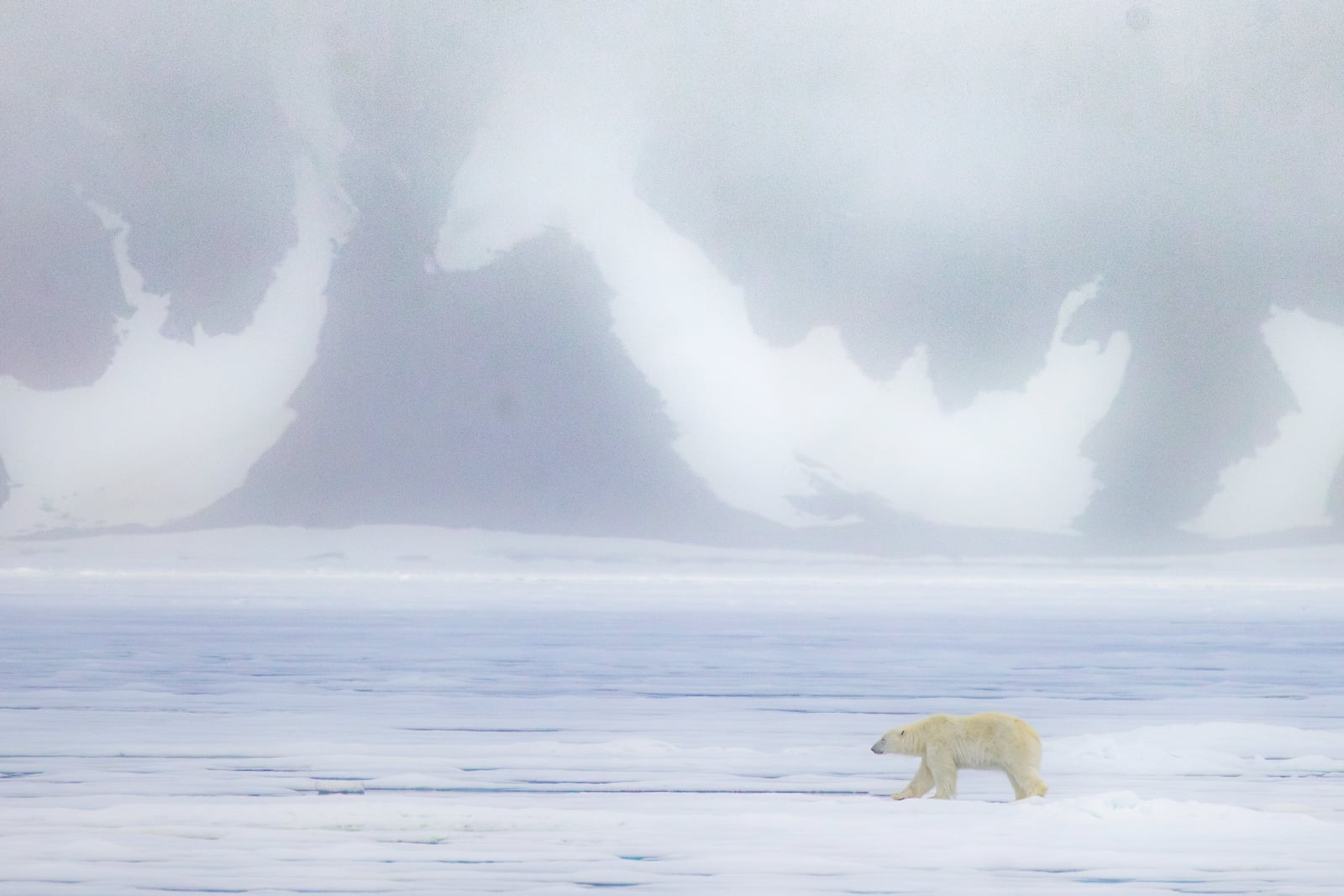
- Negative Space: The "empty" areas of a photo carry as much visual weight as the subject. They provide room for the viewer’s mind to breathe and wonder.
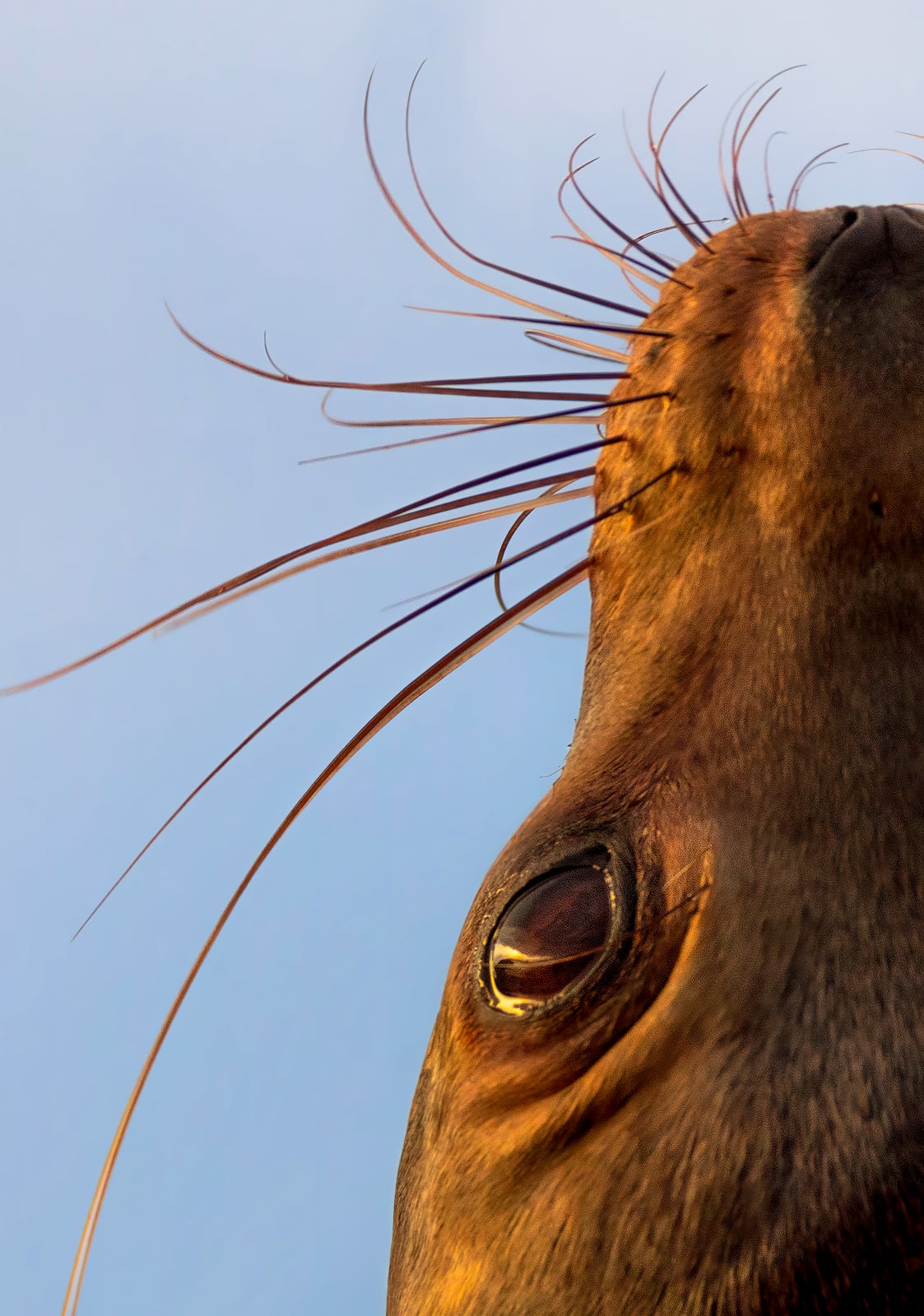
- Shallow Depth of Field: Turning a background into an impressionistic blur suggests a world beyond the subject without defining it, keeping the focus on the immediate mystery.
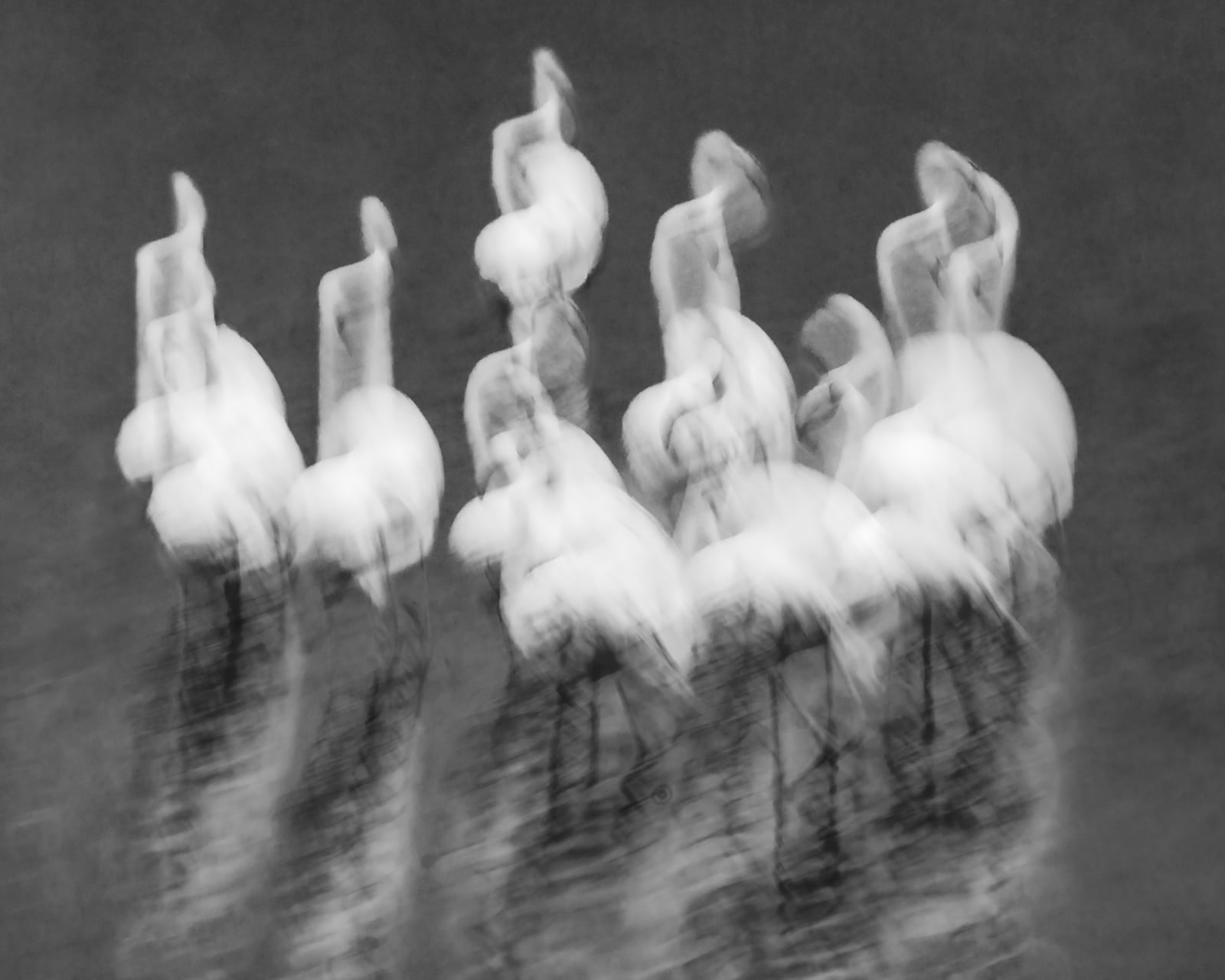
- Long Exposures: This technique can transform the mundane into the ethereal. Moving figures become ghostly apparitions, and crashing waves turn into a misty veil. This softens the boundary between the literal world and the imagined one.
- Backlighting and Silhouettes: By reducing a subject to its shape and form, backlighting removes the distracting details of texture and color, leaving only the essential "essence" of the figure.
Distinguishing Mystery from Confusion

A vital distinction must be made between mystery and confusion. As Bernabe points out, confusion repels the viewer, while mystery invites them in. Confusion is often the result of poor execution or a lack of intentionality—it is visual chaos that leaves the viewer frustrated.
Mystery, conversely, is orderly and intentional. It provides just enough "breadcrumbs" of information to trigger curiosity while withholding just enough to keep the imagination engaged. A mysterious photograph guides the eye and suggests a path of inquiry without dictating a single, rigid interpretation.
Mystery as a Signature of Human Artistry
The importance of mystery has taken on a new dimension in the age of artificial intelligence. AI-generated art is increasingly capable of producing technically perfect, hyper-detailed images that are optimized for instant recognition. However, these images often lack the subtle, deliberate "omissions" that characterize human intentionality.

Mystery serves as a signature of consciousness. It is evidence that a human being made a choice about what to show and what to hide. It is an acknowledgment that life, nature, and the human experience are not things that can be fully "solved" or documented with 100% clarity.
Ultimately, embracing mystery means honoring the truth of the world. The world is inherently mysterious, and photography that acknowledges this reality transcends mere documentation. It becomes art. By leaving some elements unresolved, photographers allow their work to remain "out of reach," preserving a sense of magic that draws viewers back to the image time and time again.
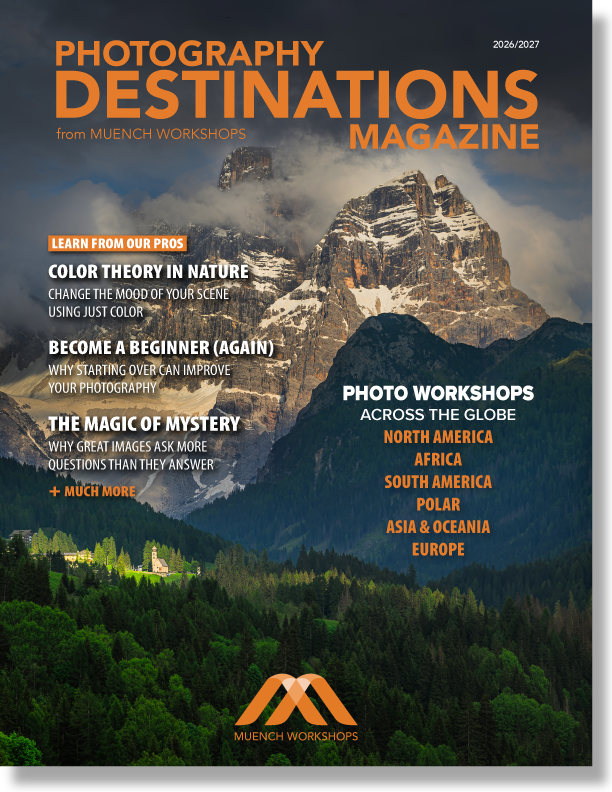
Full disclosure: This article was brought to you by Muench Workshops. All photos featured were taken by Richard Bernabe.
Richard Bernabe’s "The Magic of Mystery" is featured in Photography Destinations Magazine from Muench Workshops. The publication includes additional photography tips, field stories, and global destination guides. Interested readers can request a free print copy of the magazine through Muench Workshops to explore more of these concepts in depth.