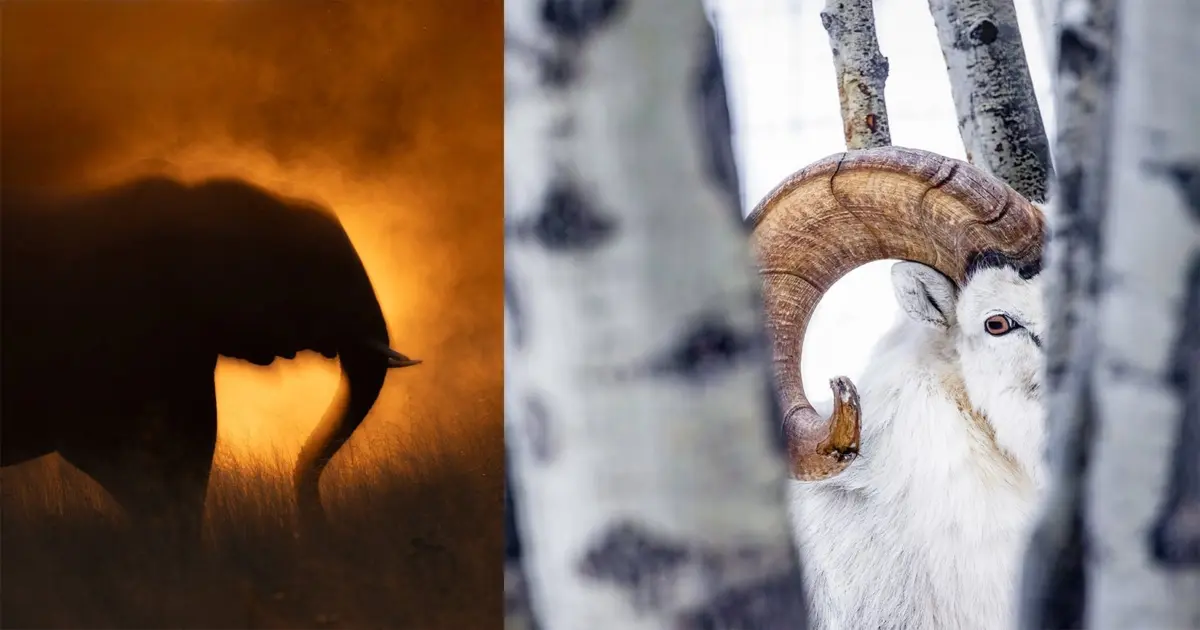
- Shadows and Light: Mystery often thrives in the dark. By allowing shadows to swallow parts of the composition, a photographer can simplify a complex scene and focus the viewer’s attention on specific, evocative details.
- Negative Space: The "empty" areas of a photo carry as much visual weight as the subject. They provide room for the viewer’s mind to breathe and wonder.
- Shallow Depth of Field: Turning a background into an impressionistic blur suggests a world beyond the subject without defining it, keeping the focus on the immediate mystery.
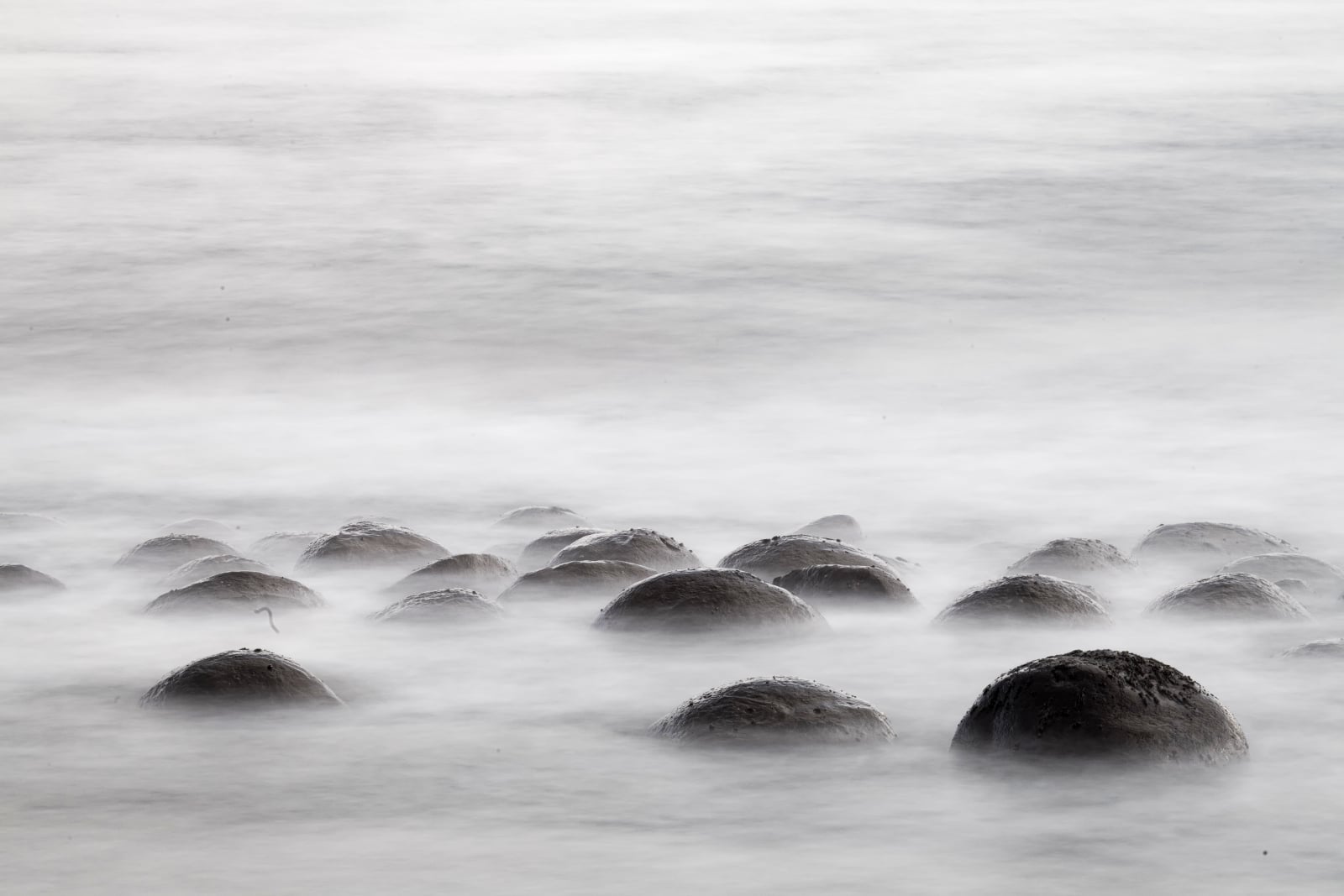
- Long Exposures: This technique can transform the mundane into the ethereal. Moving figures become ghostly apparitions, and crashing waves turn into a misty veil. This softens the boundary between the literal world and the imagined one.
- Backlighting and Silhouettes: By reducing a subject to its shape and form, backlighting removes the distracting details of texture and color, leaving only the essential "essence" of the figure.
Distinguishing Mystery from Confusion

A vital distinction must be made between mystery and confusion. As Bernabe points out, confusion repels the viewer, while mystery invites them in. Confusion is often the result of poor execution or a lack of intentionality—it is visual chaos that leaves the viewer frustrated.
Mystery, conversely, is orderly and intentional. It provides just enough "breadcrumbs" of information to trigger curiosity while withholding just enough to keep the imagination engaged. A mysterious photograph guides the eye and suggests a path of inquiry without dictating a single, rigid interpretation.

Mystery as a Signature of Human Artistry
The importance of mystery has taken on a new dimension in the age of artificial intelligence. AI-generated art is increasingly capable of producing technically perfect, hyper-detailed images that are optimized for instant recognition. However, these images often lack the subtle, deliberate "omissions" that characterize human intentionality.
Mystery serves as a signature of consciousness. It is evidence that a human being made a choice about what to show and what to hide. It is an acknowledgment that life, nature, and the human experience are not things that can be fully "solved" or documented with 100% clarity.
Ultimately, embracing mystery means honoring the truth of the world. The world is inherently mysterious, and photography that acknowledges this reality transcends mere documentation. It becomes art. By leaving some elements unresolved, photographers allow their work to remain "out of reach," preserving a sense of magic that draws viewers back to the image time and time again.
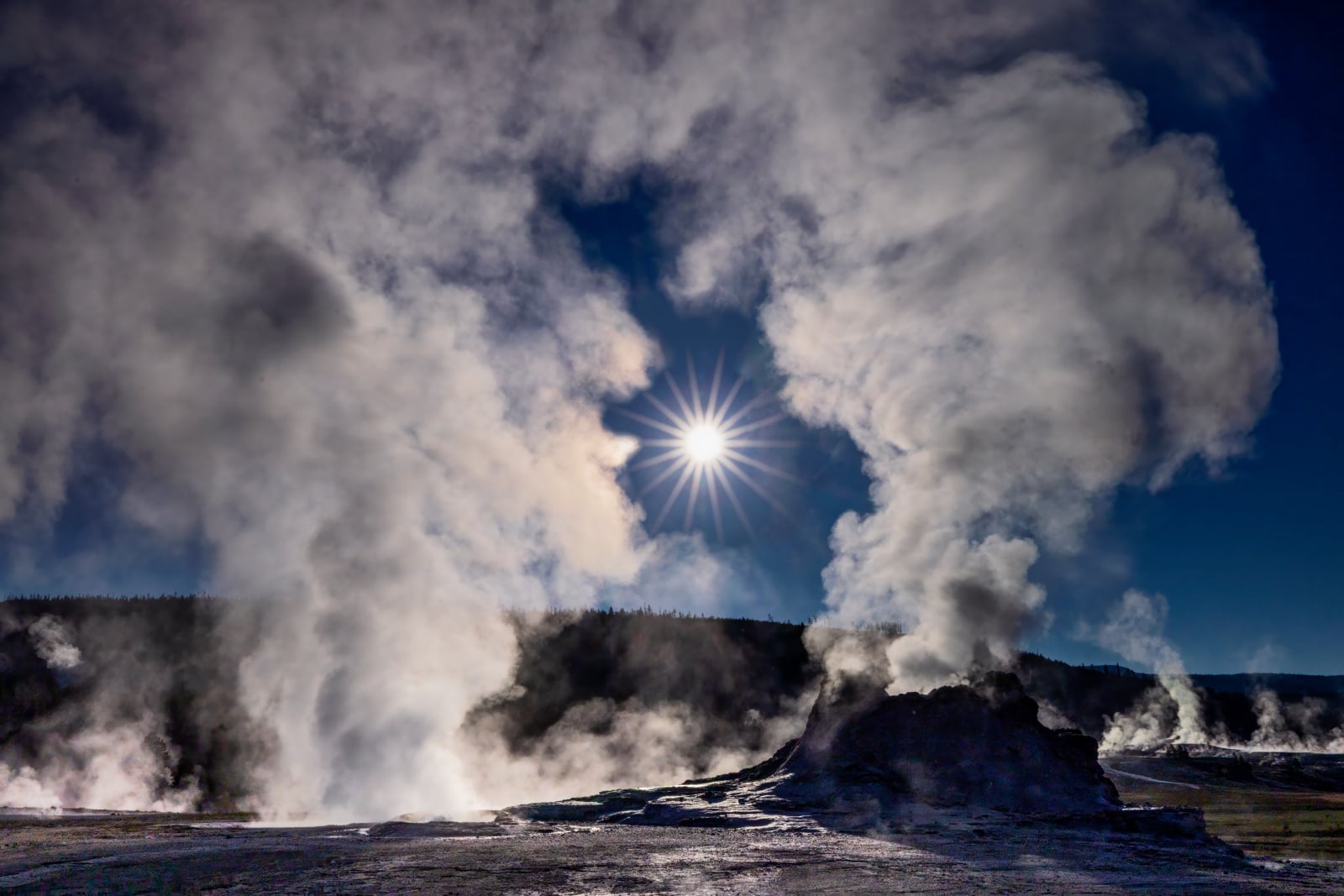
Full disclosure: This article was brought to you by Muench Workshops. All photos featured were taken by Richard Bernabe.
Richard Bernabe’s "The Magic of Mystery" is featured in Photography Destinations Magazine from Muench Workshops. The publication includes additional photography tips, field stories, and global destination guides. Interested readers can request a free print copy of the magazine through Muench Workshops to explore more of these concepts in depth.