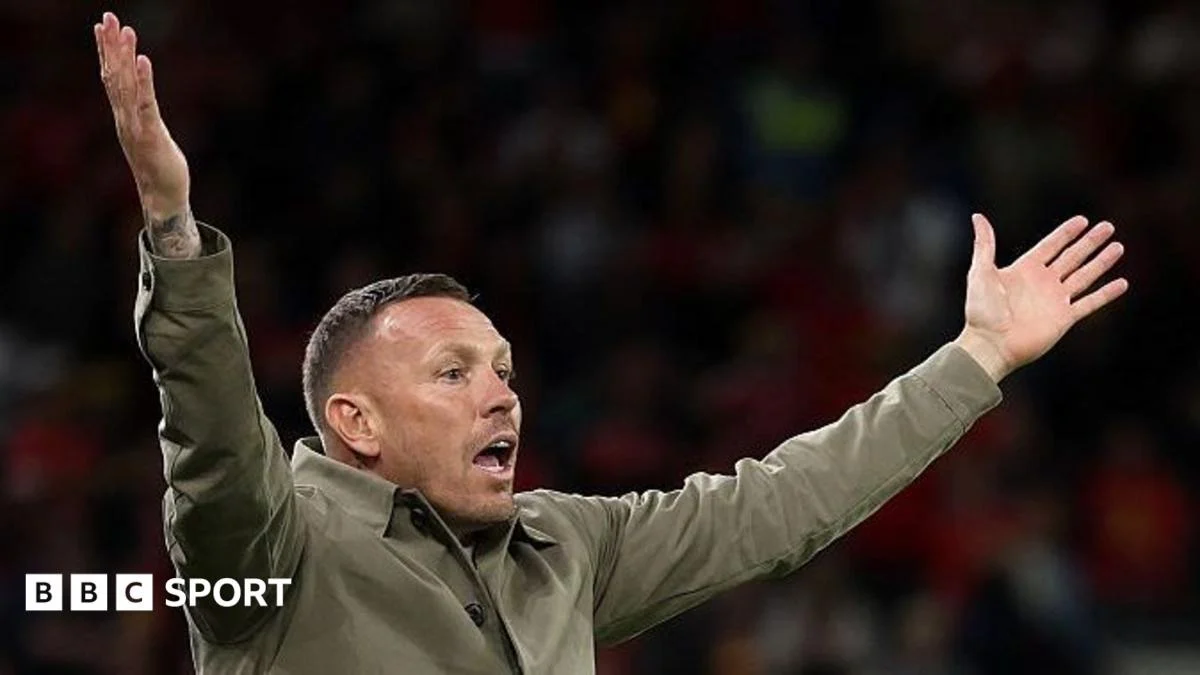
These selection dilemmas were brought into sharp focus during the buildup to the Denmark match. Dan James, one of Wales’ most dynamic attacking players, was named on the bench but ultimately played no part in the contest. Speaking after the game, Bellamy confirmed that James was simply not fit enough to play against Denmark, a decision that deprived Wales of a crucial offensive outlet when they desperately needed to inject pace and energy into their play. Bellamy also reflected honestly on his management of veteran defender Ben Davies, admitting that the physical demands of the schedule meant Davies probably should have been rested rather than being pushed to play before his late withdrawal from the match.
Bellamy’s post-match reflections cut to the heart of the systemic issues created by the new four-game format. He argued that the sheer intensity and athletic demands of playing four matches in such a condensed period are tailored specifically for the world’s elite footballing nations, who possess the squad depth to rotate their starting lineups without suffering a drop in quality. "If we have a few injuries, which we had more than one or two, they miss four games," Bellamy explained, highlighting how a depleted squad is uniquely punished under the new system. "We can deal with two, do you understand? And then the squad will get really tested."
The Wales manager pointed out that elite nations are uniquely equipped to handle the rapid turnaround of fixtures because they can make like-for-like substitutions across their entire squad. "The intensity of the squad, the athleticism, really I think the four-game break is designed for the elites," Bellamy observed. "They can say, we can go, we can go, we can turn over these games really, really quickly and we can change, we can change the team like for like because we have the numbers. So, it puts a real stress on a lot of us." For nations like Wales, who rely heavily on a core group of key players, the inability to rotate without a significant drop in experience and quality creates an unequal playing field during these extended international windows.
The consequences of this physical and tactical strain were highly evident on the pitch against Denmark. Throughout the match, Wales struggled to establish any sustained offensive rhythm and rarely looked capable of breaking down a disciplined Danish defense. The lack of fresh legs and creative spark was palpable as Wales found it difficult to transition from defense to attack or create clear-cut scoring opportunities. Denmark, meanwhile, looked the more physically robust of the two sides, posing a constant threat and coming close to breaking the deadlock on several occasions before Rasmus Højlund finally secured the winner in the 75th minute.
Bellamy contrasted the sluggish performance against Denmark with his team’s energetic display in their previous fixture against Norway. On that occasion, Wales had managed to play with the high intensity and tactical aggression that Bellamy demands of his teams. "On Thursday against Norway we were on the front foot so we’re able to shorten distance," Bellamy recalled. However, sustaining that level of physical output over multiple games proved impossible under the current circumstances. "Today, we just couldn’t work it well enough, couldn’t get the energy up enough to be able to have a bigger say in the game." The drop-off in performance highlighted the difficulty of maintaining tactical consistency when players are operating on empty.