The Sony a7R V, with its 61-megapixel sensor, is built for this level of scrutiny. When used with the FE 50mm f/1.2 GM, it produces images with a depth that is almost three-dimensional. However, for those looking to push even further, the Fujifilm GFX100S II opens the door to the medium-format world. Its 102-megapixel sensor offers a level of tonal transition and detail that full-frame systems struggle to match. By purchasing such a system used, fine art photographers can move into large-format territory at a cost comparable to high-end full-frame kits.
On the commercial and editorial side, the Panasonic Lumix S5II has emerged as a dark horse. Its L-Mount alliance allows photographers to mix and match lenses from Panasonic, Leica, and Sigma. The Lumix S Pro 24-70mm f/2.8 and 70-200mm f/2.8 create a reliable, professional "workhorse" kit that can handle the rigors of daily assignments, from product shoots to high-profile interviews.
The Need for Speed: Sports and Action
Sports photography is an arms race of autofocus tracking and frame rates. The gear must be able to anticipate movement and capture the decisive moment without fail. The Sony a9 III, with its groundbreaking global shutter, has redefined what is possible in this space, eliminating distortion in fast-moving subjects. Paired with the FE 70-200mm f/2.8 GM OSS II and the FE 300mm f/2.8 GM OSS, it is a kit designed for the sidelines of the world’s biggest arenas.
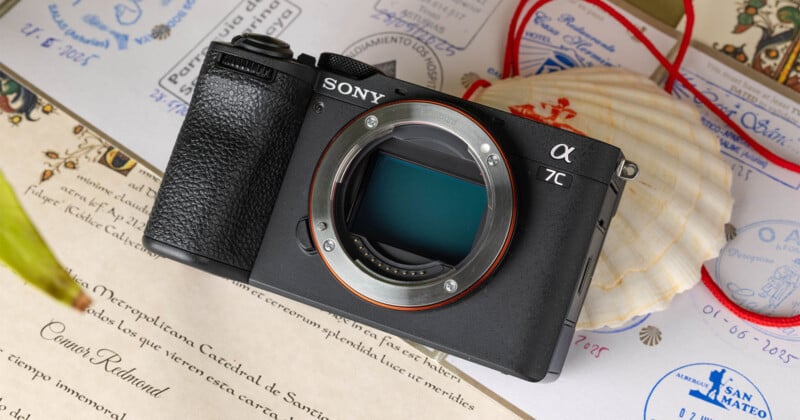
Canon and Nikon maintain their presence in this sector with the EOS R1 and the Z9. These flagship bodies are built for durability and speed. The Nikon Z9’s 45.7-megapixel sensor is particularly useful for sports, as it allows photographers to crop into the action when they are restricted to a specific vantage point.
Small Worlds: Macro Photography
Macro photography requires a specialized set of tools where magnification and working distance are the primary concerns. The OM SYSTEM OM-1 Mark II is a unique contender here; its Micro Four Thirds sensor provides a natural advantage in depth of field, which is often razor-thin at close distances. The M.Zuiko 90mm f/3.5 Macro IS PRO offers incredible magnification, making it a favorite for insect and floral photography.
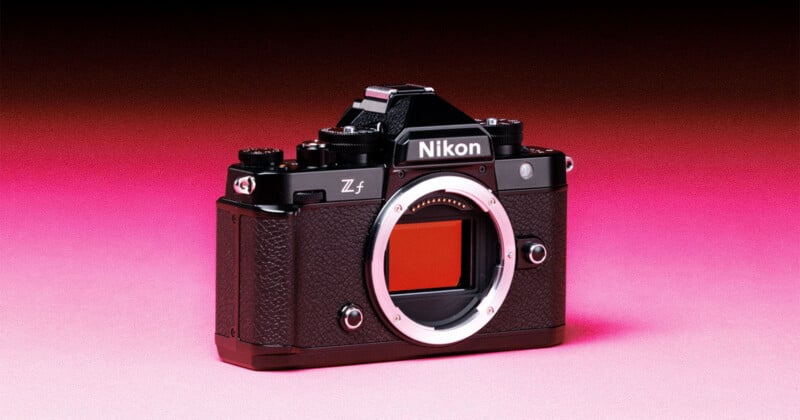
For full-frame users, the Nikon Z8 and Panasonic Lumix S5II provide excellent macro platforms. The NIKKOR Z MC 105mm f/2.8 VR S is widely considered one of the sharpest lenses in Nikon’s Z-mount lineup, offering a dual-purpose solution that excels at both macro and traditional portraiture.
Building for the Future
The journey of a photographer is one of constant evolution. The equipment that feels perfect today may become a limitation tomorrow as creative interests shift. This is where the used market, facilitated by platforms like MPB, becomes an essential part of a photographer’s career. By buying, selling, and trading gear, photographers can treat their kits as fluid assets rather than permanent burdens.
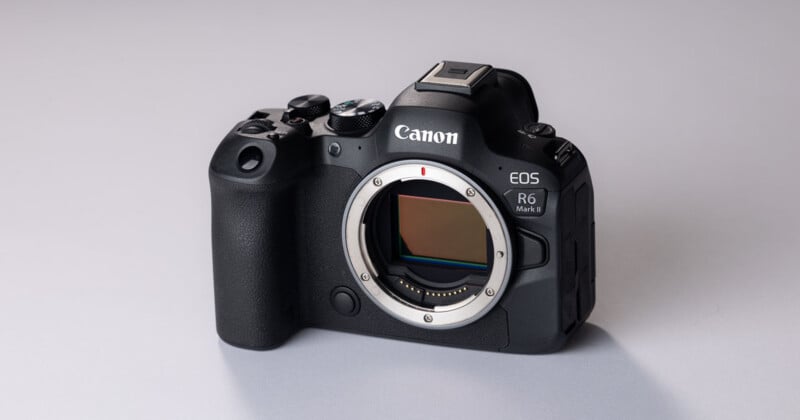
Strategic gear building is not about owning the most expensive items; it is about owning the right items. Whether it is a beginner finding their first 24mm prime or a professional upgrading to a 102-megapixel medium-format body, the goal remains the same: to remove the technical barriers between the eye and the image. In a world where technology moves fast, the ability to access the best tools through a circular economy ensures that the next great photograph is always within reach.