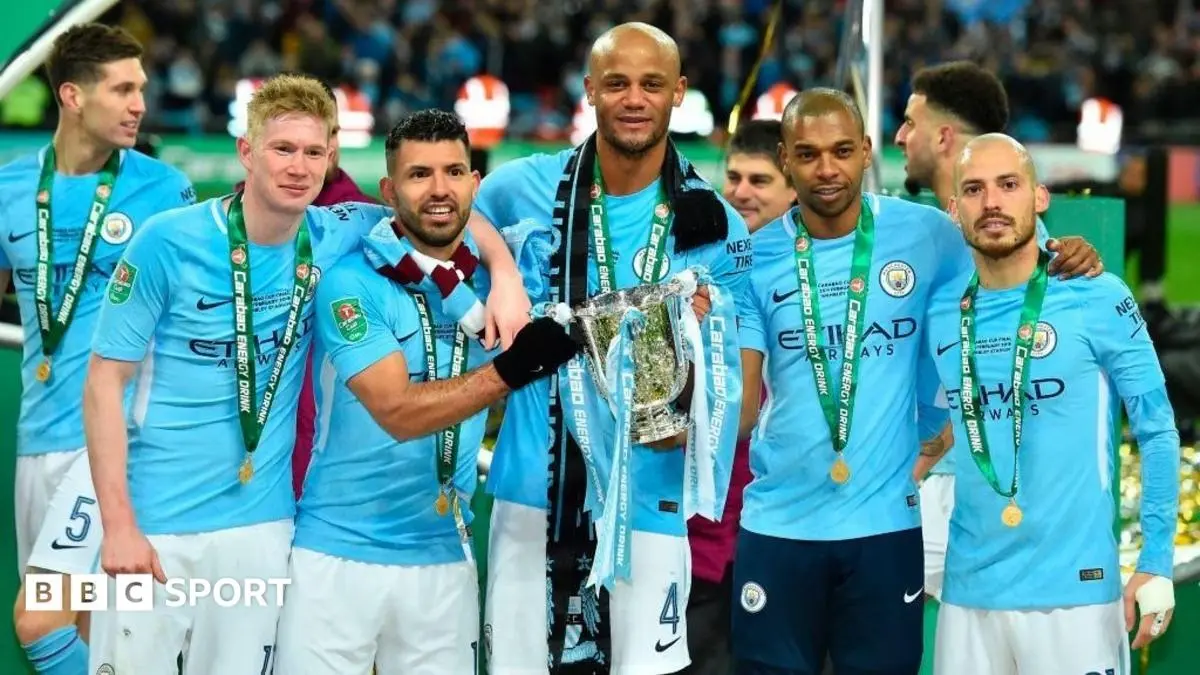
Furthermore, the impact of a reduced budget extends far beyond these marquee names. The "trophy-winning machine" built at the Etihad Stadium relied heavily on its squad depth. A successful campaign across multiple domestic and European fronts requires a deep roster of highly capable, less glamorous players who can step in and perform at a high level. These squad players, who served as crucial cogs in the machine, also commanded significant transfer fees and wages. Without the financial freedom afforded by the disputed £830 million, Manchester City would have faced a severe reduction in either the sheer number of these dependable squad players or their overall ability. The elite starting lineup would have lacked the vital support system needed to sustain success over grueling, ten-month seasons.
This realization that an entire era of sporting triumph may have been constructed on a foundation of financial illusion brings to mind a classic narrative trope. Consider a quick piece of cultural trivia: what do the classic film The Wizard of Oz, the iconic video game Super Mario Bros 2, and the infamous ninth season of the American television drama Dallas all have in common? The answer lies in their narrative resolutions. In all three cases, the dramatic events, high-stakes conflicts, and emotional journeys that audiences invested in were ultimately revealed to have never actually happened. They existed solely within the dreams of a central character, dissolving into nothingness the moment the dreamer awoke.
For millions of football fans, the guilty verdicts against Manchester City raise a similar, deeply unsettling question. Should the Premier League seasons spanning from 2009-10 to 2017-18 now be viewed as a collective dream? The dramatic title races, the last-minute goals, the iconic celebrations, and the trophies lifted during those nine seasons were experienced as absolute reality by fans, rivals, and players alike. Yet, if the financial foundation that enabled those triumphs was built on falsified accounts, the legitimacy of that entire era is thrown into question. The achievements start to look less like the product of superior sporting merit and more like a beautifully orchestrated financial illusion, leaving fans to wonder if they have been watching a sporting fairy tale that was never truly real.
The immediate future remains highly volatile as the legal battle moves into its next phase. Manchester City has been given a strict deadline of Friday to mount an appeal against the commission’s findings. The club has consistently and vigorously maintained its innocence throughout the process, and they are expected to exhaust every legal avenue to contest the ruling. However, if this appeal is unsuccessful, the club will eventually face a punishment that matches the unprecedented scale of the breaches.
The nature of that potential punishment remains one of the most contentious issues in modern sports. Will the Premier League attempt to "retcon" the past? Can sports governing bodies truly erase history, or does stripping titles and retroactively altering the record books only serve to highlight the absurdity of the situation? Deducting points retrospectively or stripping championships might satisfy a desire for legal justice, but it cannot undo the emotional reality of the fans who celebrated those titles, nor can it compensate the rival clubs, managers, and players who missed out on glory, prize money, and career-defining achievements at the time.