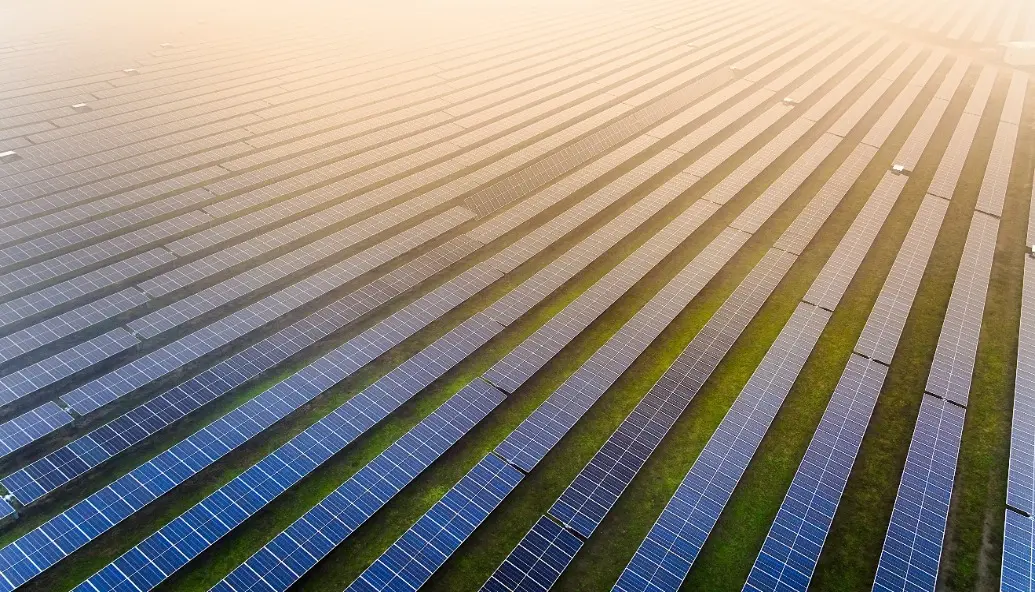
For South Lanarkshire, the arrival of the Rogerhill project represents a significant economic opportunity. Qair Renewables UK has expressed a clear commitment to ensuring that the project’s benefits are felt within the local community long after the construction phase is complete. This includes a pledge to prioritize local contractors and suppliers wherever possible, which is expected to provide a boost to the regional supply chain and support local employment. Furthermore, the developer has outlined plans for a comprehensive community benefits and enhancements package. While the specific details of these packages often evolve through further consultation, they typically involve dedicated funds for local projects, environmental improvements, or educational initiatives designed to leave a lasting positive legacy in the area.
The broader context of the Rogerhill approval is Scotland’s ambitious target to reach net-zero emissions by 2045. To meet this goal, the Scottish Government has recognized the need to rapidly scale up all forms of renewable energy. While solar has traditionally been seen as more suited to the southern latitudes of the UK, technological advancements in photovoltaic panels have made solar energy increasingly viable in the north. Modern panels are now significantly more efficient at capturing diffused light, meaning that even on overcast days, large-scale arrays can contribute meaningful amounts of power to the grid. The Rogerhill project proves that the economic and environmental case for solar in Scotland is now strong enough to support utility-scale investments.
The planning process for such a large-scale development involves navigating a complex web of environmental and social considerations. Beyond the land-use issues, developers must demonstrate that the visual impact on the landscape is manageable and that local biodiversity will be protected or enhanced. Qair’s approach at Rogerhill reflects a growing industry standard where renewable projects are expected to deliver "biodiversity net gain." This often involves planting native hedgerows, creating wildflower meadows beneath the solar panels, or establishing habitats for local wildlife, effectively turning energy sites into small-scale nature reserves.
The success of the Rogerhill application also highlights the evolving maturity of the Scottish planning system regarding solar energy. As more projects of this scale move through the pipeline, local authorities and the Scottish Government’s Energy Consents Unit are gaining more experience in balancing the technical requirements of renewable infrastructure with the concerns of local residents. The fact that this project achieved approval suggests a high level of confidence in the site’s design and the developer’s mitigation strategies.