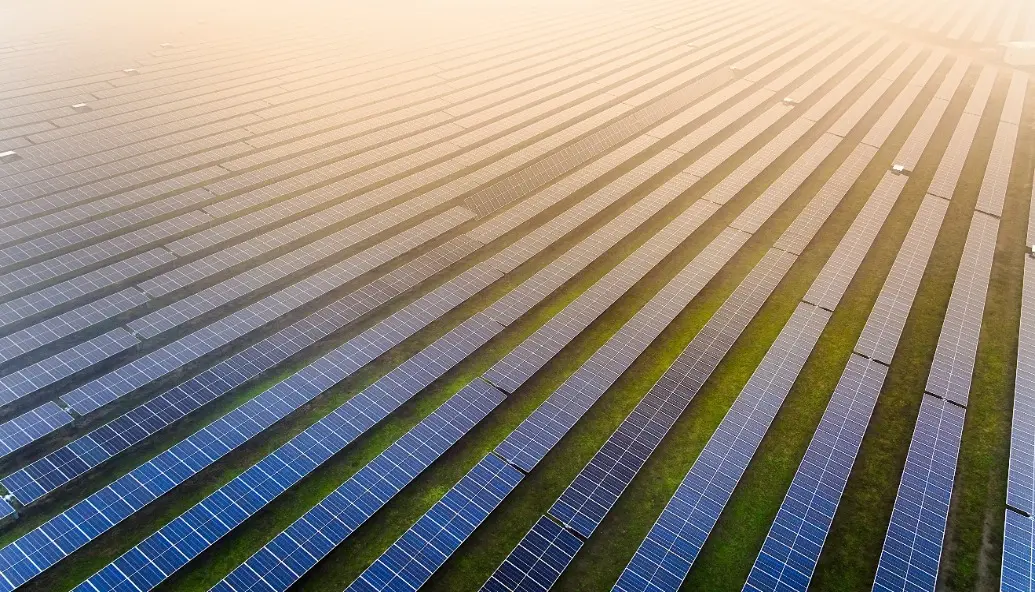
As the energy crisis of recent years has shown, the need for homegrown, affordable power has never been more urgent. Projects like Rogerhill contribute to the UK’s energy independence by reducing the reliance on volatile international gas markets. Every megawatt-hour of electricity generated by the South Lanarkshire sun is a megawatt-hour that does not need to be produced by burning fossil fuels. This has a direct impact on the carbon intensity of the grid and helps insulate consumers from the price shocks associated with global energy commodities.
Looking ahead, the construction and eventual operation of the Rogerhill solar farm will be closely watched by industry analysts and other developers. As the current record-holder for the largest approved solar farm in Scotland, it sets a new benchmark for what is possible in the region. If the project meets its operational goals and successfully integrates its massive battery storage capacity, it is likely to pave the way for even larger installations in the future. The project serves as a clear signal to investors that Scotland is "open for business" when it comes to large-scale solar, moving beyond its reputation as solely a wind-power powerhouse.
The commitment from Qair Renewables UK to engage with the local community is a crucial element in maintaining public support for the energy transition. As the physical footprint of renewable energy grows, the "social license" to operate becomes increasingly dependent on how well developers integrate their projects into the local fabric. By focusing on non-prime land and promising local economic participation, the Rogerhill project attempts to create a blueprint for responsible development that can be replicated elsewhere.
Ultimately, the approval of the Rogerhill solar and battery storage farm is a multifaceted win for Scotland’s environmental and economic ambitions. It provides a substantial boost to the country’s renewable capacity, offers a solution to grid instability through its battery component, and respects the integrity of the nation’s most productive agricultural lands. As the project moves into its next phases, it will stand as a prominent symbol of the changing face of Scottish energy—a future that is increasingly powered by a sophisticated mix of wind, sun, and storage technology working in tandem to deliver a low-carbon economy. The displacement of 40,000 tonnes of CO2 per year is a tangible metric of progress, representing a significant step toward the sustainable future that both the Scottish and UK governments have committed to achieving.