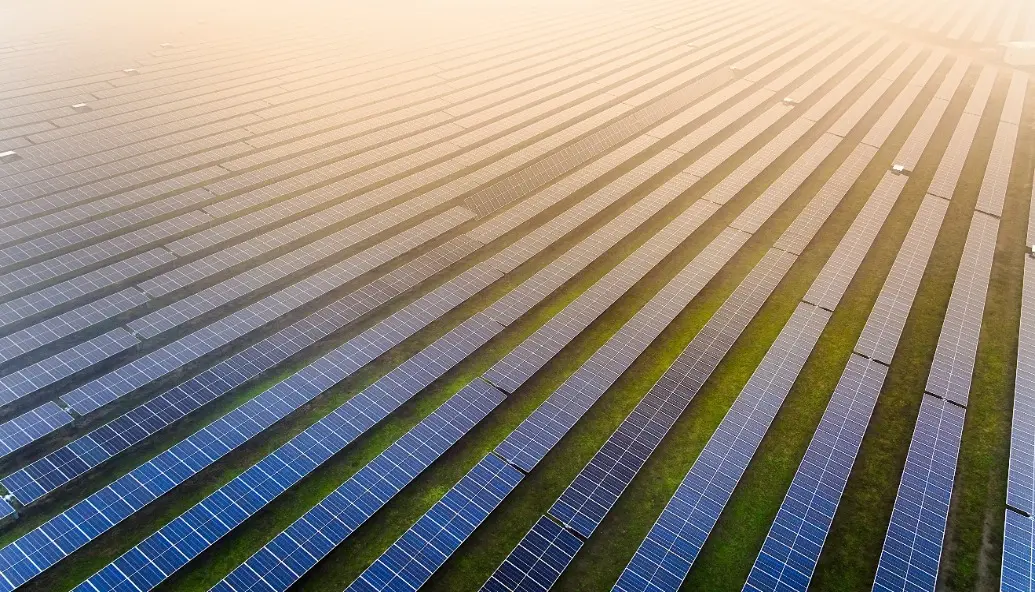
The approval marks a turning point for the Scottish energy landscape, which has historically been dominated by onshore and offshore wind power. While wind remains the backbone of Scotland’s renewable output, the introduction of large-scale solar projects like Rogerhill provides a critical secondary source of generation that often peaks when wind speeds are lower. Once operational, the facility will have the capacity to generate enough clean electricity to power more than 28,000 homes annually. Beyond its contribution to the domestic energy supply, the project is expected to play a major role in the nation’s decarbonization efforts, with projections suggesting it will displace more than 40,000 tonnes of carbon dioxide emissions every year.
The decision to grant planning consent follows a rigorous evaluation of the site’s suitability and its potential impact on the local environment and economy. One of the most notable aspects of the Rogerhill development is its location. Unlike several high-profile solar projects that have faced opposition for occupying high-quality "prime" agricultural land, Qair Renewables UK has specifically sited this project on non-prime agricultural land. This strategic choice addresses a growing debate within the planning system regarding the balance between food security and energy security. By utilizing lower-grade land that is less productive for intensive crop farming, the project demonstrates a model for renewable development that minimizes conflict with the agricultural sector while still delivering significant environmental benefits.
Pete McLaren, the Head of Scottish Development at Qair UK, emphasized the importance of the project’s scale and the integration of storage technology. According to McLaren, securing consent for the Rogerhill site is not just a victory for the company, but a significant milestone for the broader development of solar energy throughout Scotland. He noted that as the largest solar project to receive planning approval in the country to date, Rogerhill serves as a practical demonstration of the increasingly vital role that combined solar and battery storage systems will play. These technologies are essential for creating a more flexible, secure, and low-carbon energy system, allowing for the storage of excess energy during periods of high generation and its release during peak demand.
The inclusion of a 100-megawatt battery storage component is particularly relevant given the current challenges facing the UK’s national grid. As more intermittent renewable sources come online, the ability to balance supply and demand in real-time becomes more complex. Battery systems like the one approved for Rogerhill provide "firming" services, which help stabilize the grid’s frequency and ensure that the energy produced by the solar panels can be utilized effectively, even when the sun is not shining. This dual-purpose design makes the project more than just a power plant; it is a piece of critical infrastructure that enhances the resilience of the local and national electricity networks.
For South Lanarkshire, the arrival of the Rogerhill project represents a significant economic opportunity. Qair Renewables UK has expressed a clear commitment to ensuring that the project’s benefits are felt within the local community long after the construction phase is complete. This includes a pledge to prioritize local contractors and suppliers wherever possible, which is expected to provide a boost to the regional supply chain and support local employment. Furthermore, the developer has outlined plans for a comprehensive community benefits and enhancements package. While the specific details of these packages often evolve through further consultation, they typically involve dedicated funds for local projects, environmental improvements, or educational initiatives designed to leave a lasting positive legacy in the area.
The broader context of the Rogerhill approval is Scotland’s ambitious target to reach net-zero emissions by 2045. To meet this goal, the Scottish Government has recognized the need to rapidly scale up all forms of renewable energy. While solar has traditionally been seen as more suited to the southern latitudes of the UK, technological advancements in photovoltaic panels have made solar energy increasingly viable in the north. Modern panels are now significantly more efficient at capturing diffused light, meaning that even on overcast days, large-scale arrays can contribute meaningful amounts of power to the grid. The Rogerhill project proves that the economic and environmental case for solar in Scotland is now strong enough to support utility-scale investments.
The planning process for such a large-scale development involves navigating a complex web of environmental and social considerations. Beyond the land-use issues, developers must demonstrate that the visual impact on the landscape is manageable and that local biodiversity will be protected or enhanced. Qair’s approach at Rogerhill reflects a growing industry standard where renewable projects are expected to deliver "biodiversity net gain." This often involves planting native hedgerows, creating wildflower meadows beneath the solar panels, or establishing habitats for local wildlife, effectively turning energy sites into small-scale nature reserves.
The success of the Rogerhill application also highlights the evolving maturity of the Scottish planning system regarding solar energy. As more projects of this scale move through the pipeline, local authorities and the Scottish Government’s Energy Consents Unit are gaining more experience in balancing the technical requirements of renewable infrastructure with the concerns of local residents. The fact that this project achieved approval suggests a high level of confidence in the site’s design and the developer’s mitigation strategies.
As the energy crisis of recent years has shown, the need for homegrown, affordable power has never been more urgent. Projects like Rogerhill contribute to the UK’s energy independence by reducing the reliance on volatile international gas markets. Every megawatt-hour of electricity generated by the South Lanarkshire sun is a megawatt-hour that does not need to be produced by burning fossil fuels. This has a direct impact on the carbon intensity of the grid and helps insulate consumers from the price shocks associated with global energy commodities.
Looking ahead, the construction and eventual operation of the Rogerhill solar farm will be closely watched by industry analysts and other developers. As the current record-holder for the largest approved solar farm in Scotland, it sets a new benchmark for what is possible in the region. If the project meets its operational goals and successfully integrates its massive battery storage capacity, it is likely to pave the way for even larger installations in the future. The project serves as a clear signal to investors that Scotland is "open for business" when it comes to large-scale solar, moving beyond its reputation as solely a wind-power powerhouse.
The commitment from Qair Renewables UK to engage with the local community is a crucial element in maintaining public support for the energy transition. As the physical footprint of renewable energy grows, the "social license" to operate becomes increasingly dependent on how well developers integrate their projects into the local fabric. By focusing on non-prime land and promising local economic participation, the Rogerhill project attempts to create a blueprint for responsible development that can be replicated elsewhere.
Ultimately, the approval of the Rogerhill solar and battery storage farm is a multifaceted win for Scotland’s environmental and economic ambitions. It provides a substantial boost to the country’s renewable capacity, offers a solution to grid instability through its battery component, and respects the integrity of the nation’s most productive agricultural lands. As the project moves into its next phases, it will stand as a prominent symbol of the changing face of Scottish energy—a future that is increasingly powered by a sophisticated mix of wind, sun, and storage technology working in tandem to deliver a low-carbon economy. The displacement of 40,000 tonnes of CO2 per year is a tangible metric of progress, representing a significant step toward the sustainable future that both the Scottish and UK governments have committed to achieving.