The report highlights a growing sense of alarm among industry stakeholders, with nearly two-thirds of survey respondents explicitly stating that current supply chain constraints are directly threatening their ability to deliver on national and regional energy security goals. This finding suggests a shift in the industry’s perception of risk; where supply chain issues were once viewed as temporary logistical hurdles, they are now seen as fundamental barriers to the strategic autonomy of energy systems. As nations attempt to pivot away from fossil fuels and toward domestic renewable sources, the inability to secure the necessary components, materials, and transport logistics is leaving energy portfolios vulnerable.
This vulnerability is not theoretical. The practical consequences of these pressures are already being felt across the global offshore wind market. Sherif Megeed, a representative from Jotun Performance Coatings, noted that the industry is already witnessing the tangible "knock-on effect" of these compounding pressures. He pointed to high-profile setbacks as evidence of the current volatility, specifically citing the cancellations of major developments such as the Hornsea 4 project and Ørsted’s Ocean Wind projects. These cancellations represent more than just lost revenue for developers; they signify a slowdown in the total capacity of renewable energy being added to the grid, potentially pushing Net Zero deadlines further out of reach.
The cancellations of such large-scale projects often stem from a combination of rising capital costs and the inability to lock in supply contracts at viable prices. When the cost of specialized coatings, steel, turbines, and installation vessels fluctuates due to geopolitical tensions or manufacturing delays, the economic models that underpin these multi-billion-dollar investments can quickly become unsustainable. For an industry that relies on long-term planning and narrow margins, the current level of uncertainty is proving to be a deterrent to continued investment.
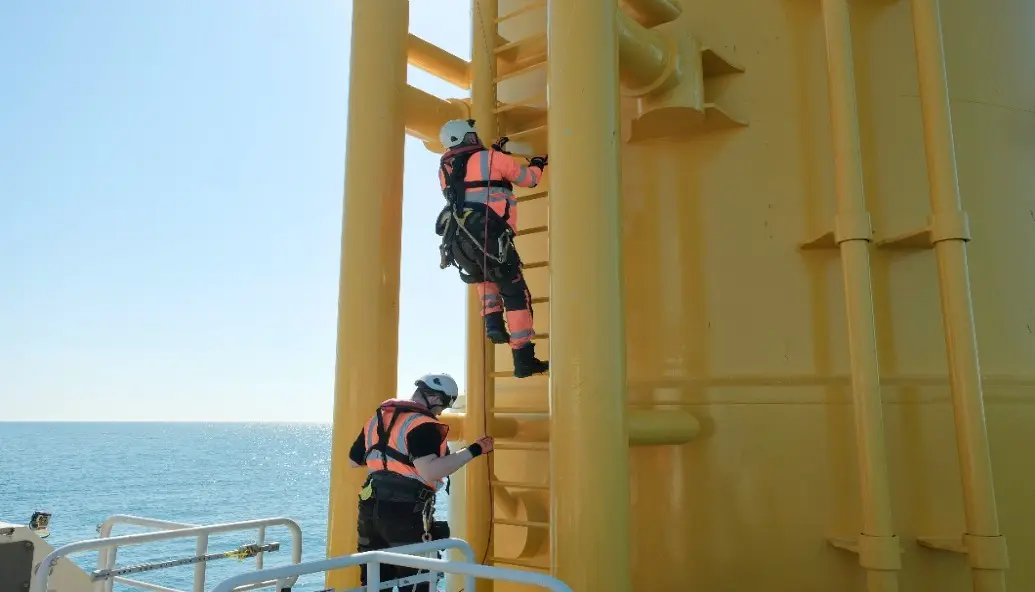
Parallel to the logistical and geopolitical hurdles is a deepening human capital crisis. The report found that a staggering 80% of survey respondents believe their projects are being negatively impacted by a shortage of skilled labor. The offshore wind sector, in particular, requires a highly specialized workforce capable of operating in some of the most demanding environments on earth. However, the supply of qualified professionals is failing to keep pace with the rapid expansion of project pipelines. This talent gap creates a bidding war for existing workers, drives up project costs, and leads to significant delays in project timelines.
One of the most complex aspects of this labor shortage is the industry’s internal debate over how to solve it. While the need for more workers is undisputed, there is a lack of consensus on where that talent should come from. Despite the clear pressure on project delivery, only 52% of offshore operators believe the wind industry should aggressively recruit from more established sectors, such as the oil and gas industry. This hesitancy suggests a divide within the renewable energy community. While the oil and gas sector possesses a massive pool of engineers, technicians, and project managers with transferable offshore experience, some wind operators may harbor concerns regarding cultural differences, salary expectations, or the specific technical nuances required for renewable applications.
However, the reality of the numbers suggests that the industry may not have the luxury of being selective. In the United Kingdom, which has positioned itself as a global leader in offshore wind, the scale of the recruitment challenge is immense. According to data from RenewableUK, the UK offshore wind workforce is expected to require a massive influx of talent over the next few years. Estimates suggest the industry will need between 74,000 and 95,000 people by 2030 to meet the government’s deployment targets. This represents a significant leap from current employment levels and highlights the urgent need for a coordinated national skills strategy.
The government has identified specific areas where the recruitment crisis is most acute. Among the most difficult roles to fill in the offshore wind sector are electrical engineering and consenting roles. The shortage of electrical specialists is particularly concerning, as these professionals are responsible for the complex task of connecting offshore turbines to the mainland grid—a process that involves high-voltage subsea cabling and the construction of massive offshore substations. Without these "veins" of the energy system, the power generated by wind farms cannot reach the consumers who need it.
Similarly, the difficulty in recruiting for consenting roles presents a different kind of bottleneck. Consenting involves navigating the intricate web of environmental regulations, maritime law, and local planning permissions required to get a project approved. These roles require a unique blend of legal, environmental, and technical knowledge. When these positions remain vacant, the pre-construction phase of a project can drag on for years, adding to the overall cost and delaying the eventual generation of clean electricity. The shortage of personnel in these regulatory and planning functions acts as a "soft" barrier that is just as restrictive as a shortage of steel or turbines.
The labor issue is further complicated by a lack of diversity within the current workforce. Supplementary data indicates that women currently make up just 17% of the engineering and technology workforce, a statistic that underscores a significant missed opportunity for the sector. By failing to attract a more diverse range of candidates, the industry is effectively operating with one hand tied behind its back, limiting its access to the very talent it needs to solve its most pressing technical challenges.
To bridge these gaps, the report emphasizes that accessible training and retraining programs must be prioritized. The transition from the "established sector" of oil and gas to the renewable sector is often cited as a logical pathway for workers, but it requires more than just a willingness to switch roles. It requires a standardized framework for certifying skills and ensuring that the expertise gained in fossil fuel extraction can be safely and efficiently applied to wind turbine maintenance and offshore construction. Currently, the lack of integrated training resources means that many workers find the transition difficult to navigate, even if they are eager to move into the green energy space.
Furthermore, the "geopolitical instability" mentioned in the report refers to a broader shift in global trade dynamics that has made the procurement of raw materials more volatile. The closure or disruption of key shipping lanes, such as those mentioned in recent energy policy discussions regarding the Strait of Hormuz, can have a ripple effect that touches every part of the energy supply chain. For the wind industry, which relies on a global network for everything from rare earth minerals for turbine magnets to specialized steel for towers, any tremor in international relations can lead to sudden price spikes or delivery failures.
As the 2030 deadline for various national energy targets approaches, the pressure to resolve these issues is intensifying. The report serves as a stark reminder that the transition to renewable energy is not merely a matter of political will or technological innovation; it is a massive industrial undertaking that requires a stable global supply chain and a robust, well-trained workforce. The gap between the ambition of decarbonization goals and the reality of project delivery is widening, and without a concerted effort to address the labor shortage and supply chain fragility, the momentum of the energy transition may continue to stall.
Ultimately, the findings suggest that the path forward must involve a more integrated approach to energy policy—one that treats workforce development and supply chain resilience as being just as critical as the turbines themselves. Ensuring that training resources are accessible and that the industry is open to recruiting from a wider pool of talent will be essential steps in filling the tens of thousands of roles required by the end of the decade. Without these foundational elements in place, the ambitious goals for a secure, decarbonized energy future will remain at risk of being undermined by the very real constraints of the physical and human world.
Copyright © 2026 Energy Live News Ltd ELN