The Smithsonian’s National Portrait Gallery has announced a major upcoming exhibition to commemorate the 50th anniversary of its photography collection, a department that has grown from a nascent addition in the 1970s to a cornerstone of the museum’s identity. The exhibition, titled "Photographic Memory: Fifty Years of Collecting," is scheduled to open to the public on November 14, 2026, offering a sweeping retrospective of how the camera has captured and shaped the American narrative. Since the museum began formally acquiring photographs half a century ago, the medium has expanded to comprise nearly half of the National Portrait Gallery’s total holdings, reflecting a profound shift in how the institution defines and preserves the likenesses of those who have influenced the United States.
Curated by Ann Shumard, the museum’s senior curator of photographs, the exhibition will feature more than 120 portraits that trace the technical and artistic evolution of the medium. The selection spans nearly two centuries of history, beginning with the meticulous daguerreotypes of the 1840s and moving through the various chemical and physical innovations of the 19th and 20th centuries before arriving at the high-definition digital era of the present day. By organizing the works chronologically, Shumard aims to provide visitors with a dual experience: a journey through the development of photographic technology and a visual record of the people who have defined the American experience across different eras.
The decision to begin a formal photography collection in 1976 was no coincidence. It was the year of the United States Bicentennial, a moment of national reflection that prompted the museum to expand its collecting mandate. Prior to this shift, the gallery focused primarily on traditional media such as painting and sculpture. However, leadership recognized that photography offered a unique and democratic way to represent the breadth of the American populace. Many individuals who played pivotal roles in the nation’s history—including activists, writers, scientists, and everyday citizens—never had the opportunity or the means to sit for a formal oil painting. Photography bridged this gap, allowing the museum to incorporate a more inclusive and diverse range of figures into the national pantheon.
One of the most anticipated highlights of the exhibition is a rare 1846 quarter-plate daguerreotype of Dolley Madison, captured by the pioneer photographer John Plumbe Jr. This specific portrait holds significant historical weight, and its appearance in "Photographic Memory" will mark its public debut since being acquired by the Portrait Gallery in July 2024. In a historic pairing, the image of the former First Lady will be displayed alongside an 1843 half-plate daguerreotype of President John Quincy Adams. This presentation represents the first time that the earliest known photographs of a U.S. president and a first lady will be exhibited together, offering a glimpse into the very dawn of political photography in America.
The exhibition also serves as a showcase for the technological milestones that transformed photography from a scientific novelty into a ubiquitous art form. To help visitors navigate these changes, an introductory timeline will be included to outline major processes and technological breakthroughs. This contextual framing is essential for understanding the transition from the fragile, one-of-a-kind silver plates of the daguerreian era to the reproducible albumen silver prints of the Civil War period, and eventually to the gelatin silver and inkjet prints that dominate more modern archives.
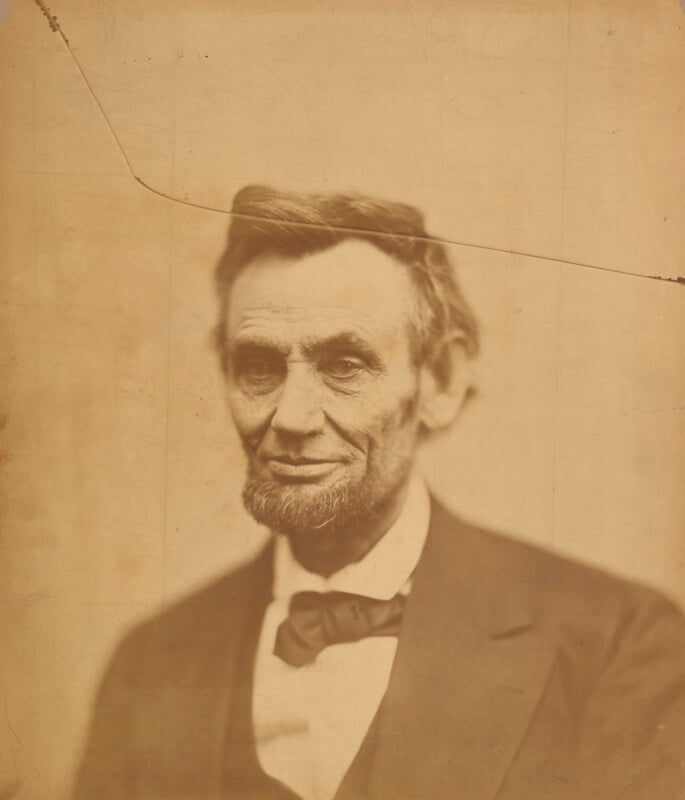
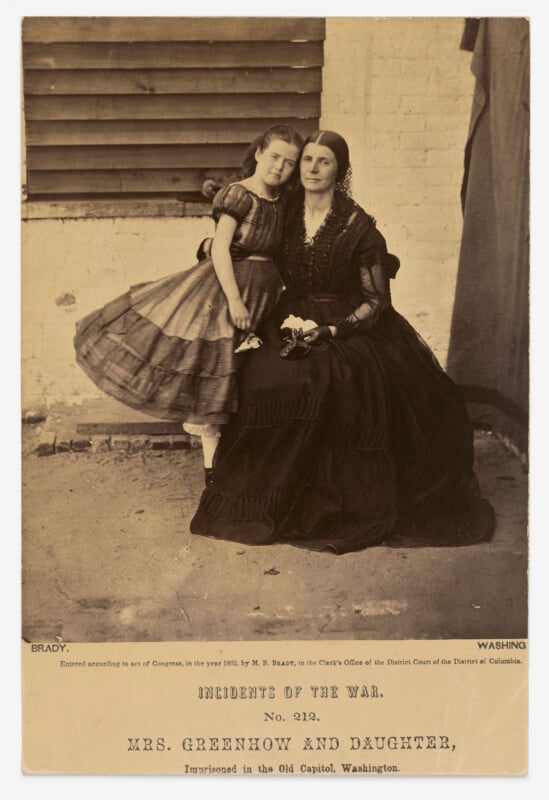
Among the early historical treasures on display is Alexander Gardner’s iconic 1865 "cracked-plate" portrait of Abraham Lincoln. This photograph, taken just weeks before Lincoln’s assassination, is famous not only for its somber depiction of the war-weary president but also for the accidental fracture in the glass negative that created a distinctive diagonal line across the top of the image. It stands as a haunting artifact of a pivotal moment in the American story. Gardner is also represented in the exhibition by his 1862 albumen silver print of Rose O’Neal Greenhow and her daughter, Rose. The image, taken while they were held at the Old Capitol Prison, captures the tension and human cost of the Civil War.
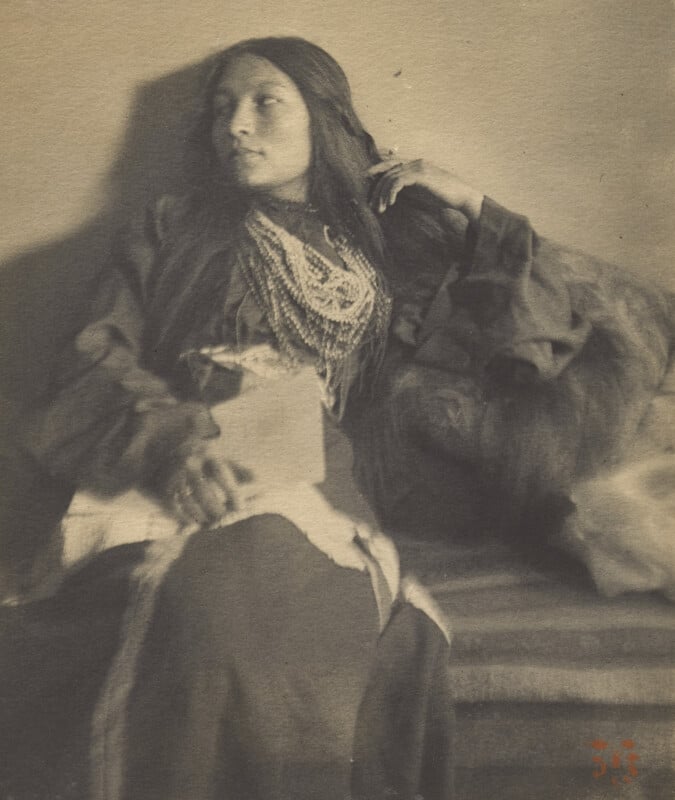
The exhibition’s reach extends into the realm of social reform and intellectual life through rare cabinet-card photographs. Visitors will be able to view portraits of Ida B. Wells-Barnett, the investigative journalist and civil rights leader, captured by Sallie E. Garrity, as well as George K. Warren’s portrait of Ko Kun-hua, the first Chinese instructor at Harvard University. These works underscore the museum’s mission to highlight individuals who challenged societal norms and expanded the intellectual horizons of the country. Another significant early work is Joseph T. Keiley’s 1898 glycerine-developed platinum print of Zitkála-Šá, the influential Yankton Dakota writer and activist, which showcases the artistic soft-focus style of the Pictorialist movement.
As the exhibition moves into the 20th century, the focus shifts toward the rise of the celebrity photographer and the use of the camera as a tool for social documentary and high art. The collection includes works by masters of the medium such as Alfred Stieglitz, Edward Steichen, and Dorothea Lange, whose photography often blurred the lines between journalism and fine art. Ansel Adams and Irving Penn are also featured, representing the technical perfection and stylistic innovation that defined mid-century photography.
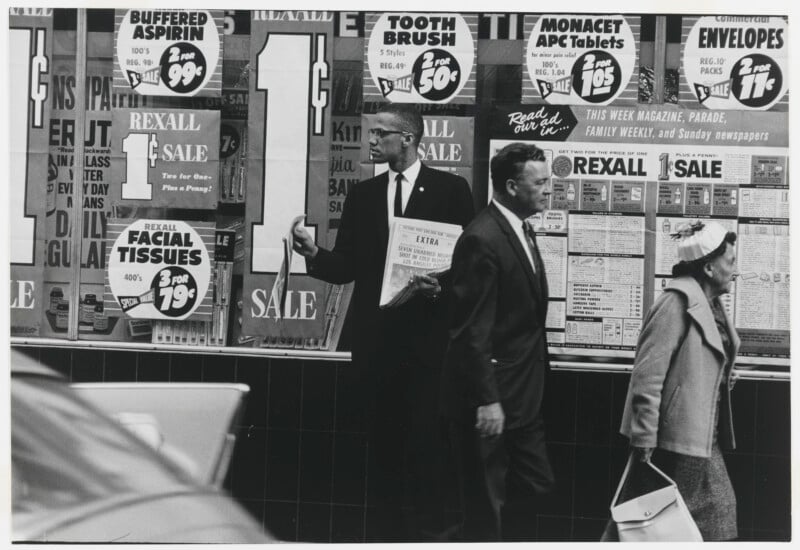
The mid-to-late 20th century is further explored through the lenses of photographers who captured the spirit of cultural and political movements. Gordon Parks’ 1963 gelatin silver print of Malcolm X is a standout piece, showing the civil rights leader walking past a Rexall store window filled with "1-cent sale" advertisements while holding a newspaper detailing a police shooting. This image serves as a powerful example of how environmental portraiture can provide deep layers of social context. Similarly, Philippe Halsman’s 1954 portrait of Lena Horne captures the performer in a moment of literal and figurative ascension, jumping in the air in a flowing gown.
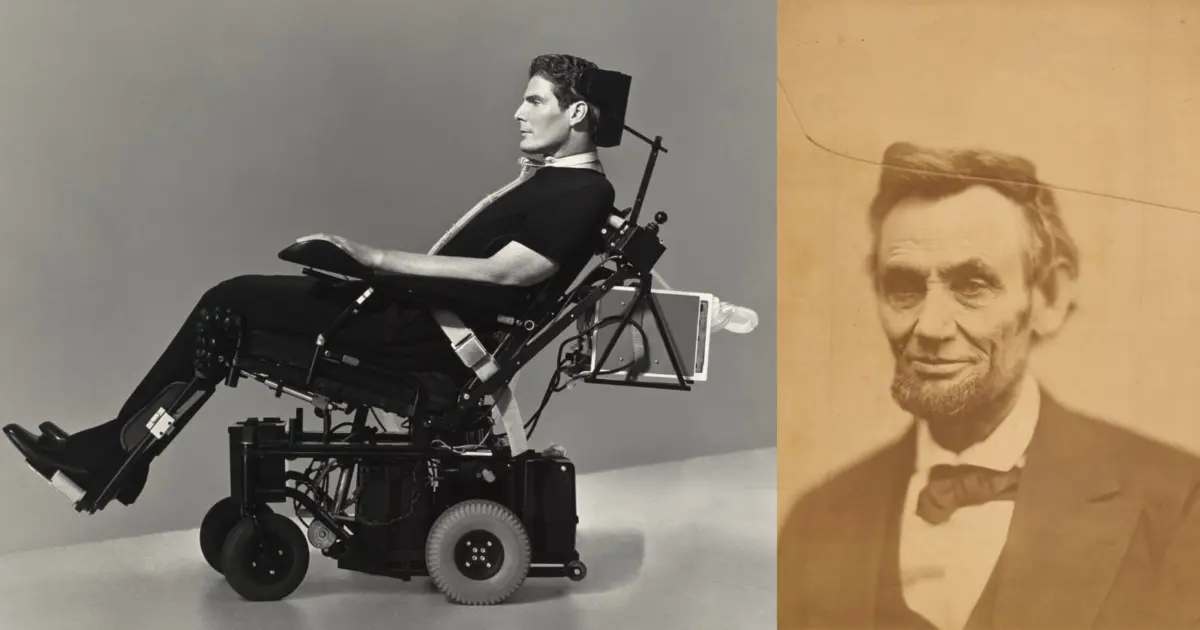
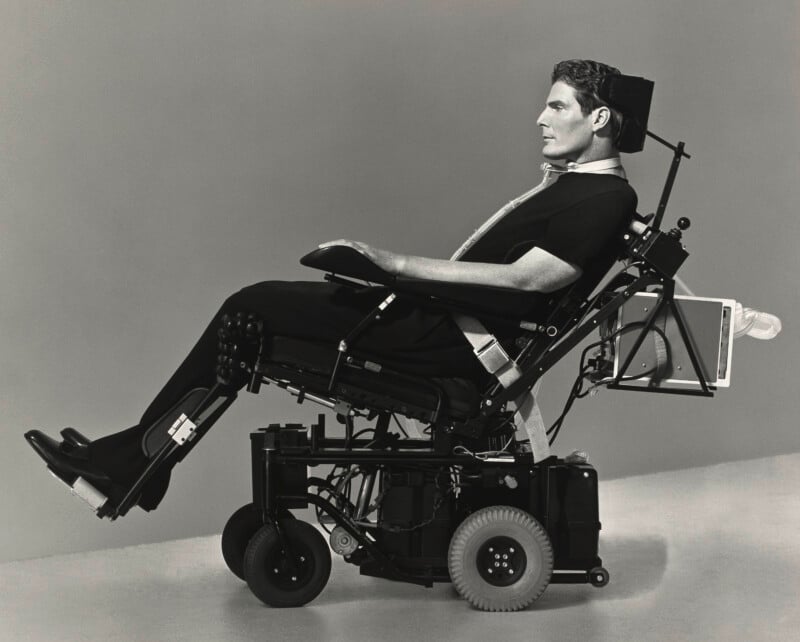
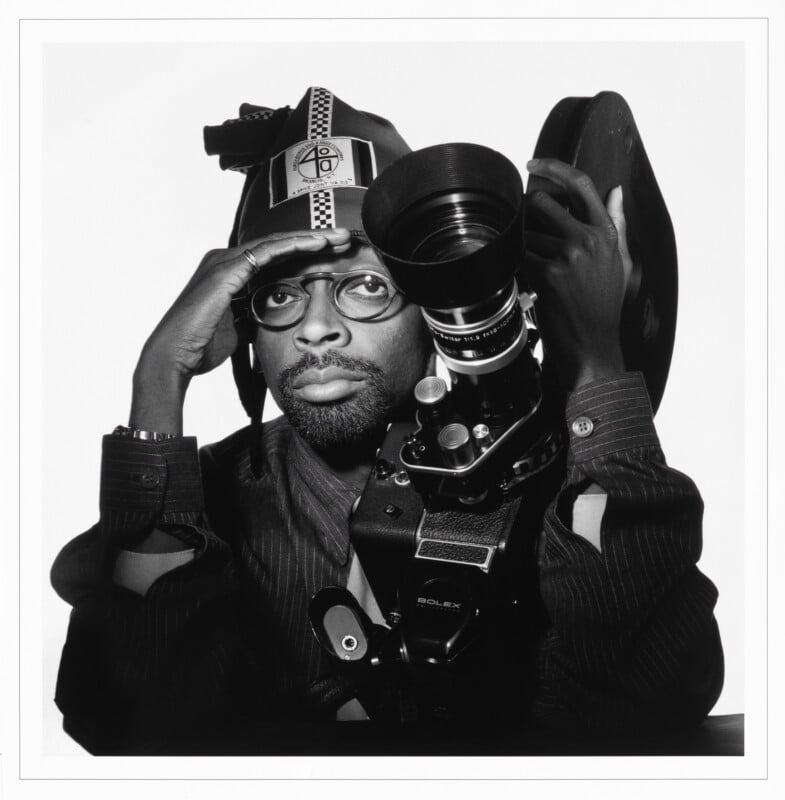
The exhibition does not shy away from the evolution of the portrait into the contemporary era. Portraits of modern icons demonstrate the continued relevance of the medium in defining public identity. A 1996 gelatin silver print by Herb Ritts Jr. depicts actor and activist Christopher Reeve in profile. The image is a poignant study of resilience, showing Reeve in his motorized wheelchair, supported by a headrest and ventilator, yet possessing a powerful, dignified presence. Spike Lee is also represented through a 1999 inkjet print by Jesse Frohman, which shows the filmmaker with his signature glasses and a Bolex movie camera, a work that earned Lee the Portrait of a Nation Prize.
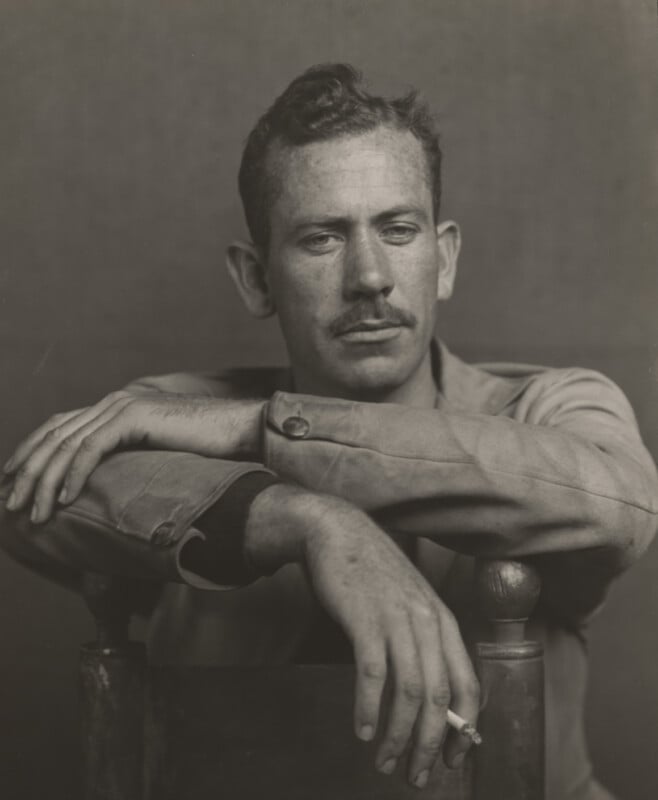
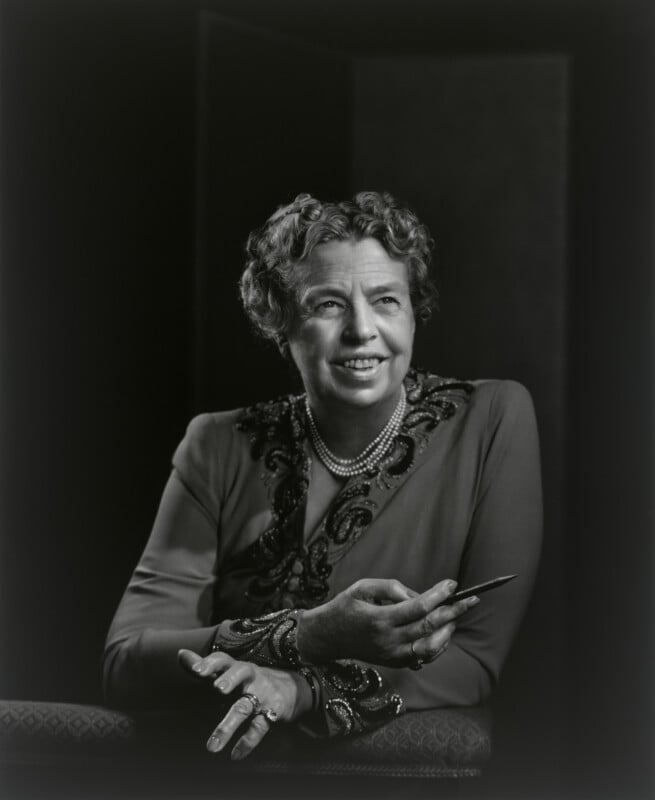
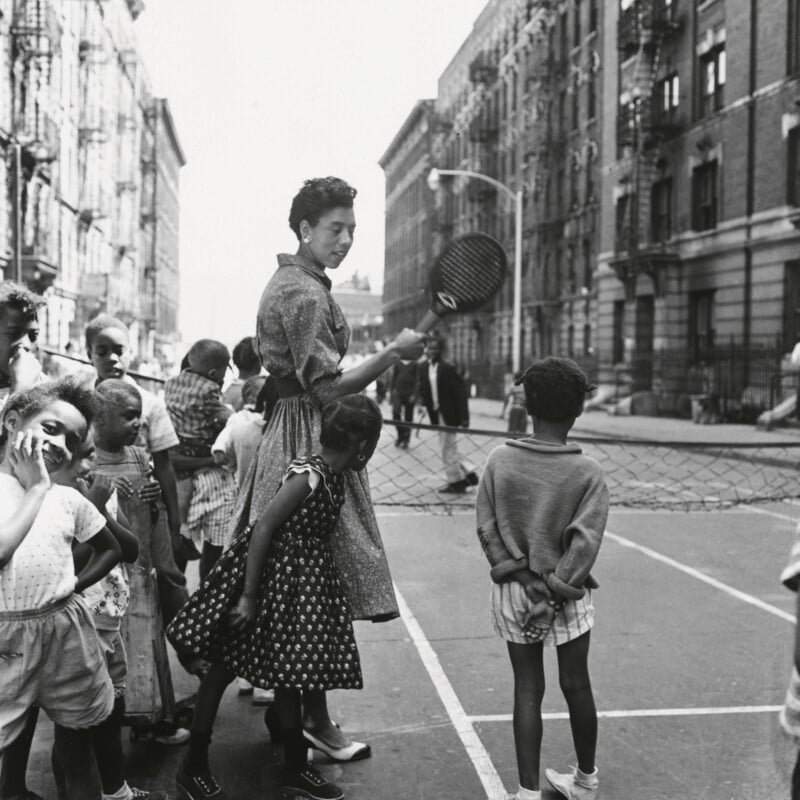
The diversity of subjects continues with Genevieve Naylor’s 1957 photograph of tennis legend Althea Gibson standing on a city street court surrounded by children, and Yousuf Karsh’s 1844 portrait of Eleanor Roosevelt, which captures the First Lady’s contemplative nature. The inclusion of these figures, alongside others like author John Steinbeck as photographed by Sonya Noskowiak and "Buffalo Bill" Cody by José Maria Mora, illustrates the vast range of personalities the National Portrait Gallery has sought to preserve over the last five decades.
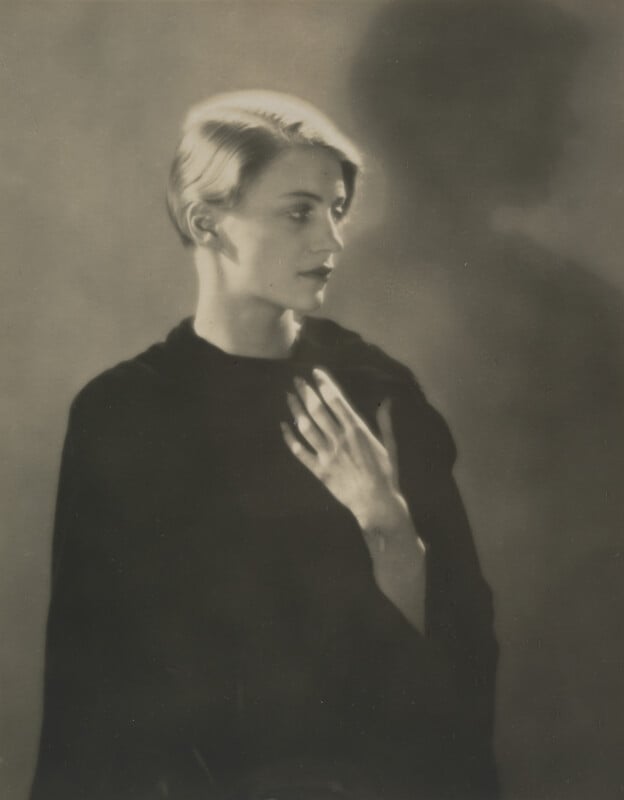
The curation also highlights the work of legendary female photographers and those who pushed the boundaries of the genre, such as Diane Arbus and Annie Leibovitz. By featuring these artists, the exhibition acknowledges the photographers themselves as essential figures in American cultural history, whose perspectives have dictated how the public "remembers" its most famous citizens. The inclusion of Man Ray’s circa 1930 portrait of Lee Miller further emphasizes the international exchanges and avant-garde influences that have shaped American photographic traditions.
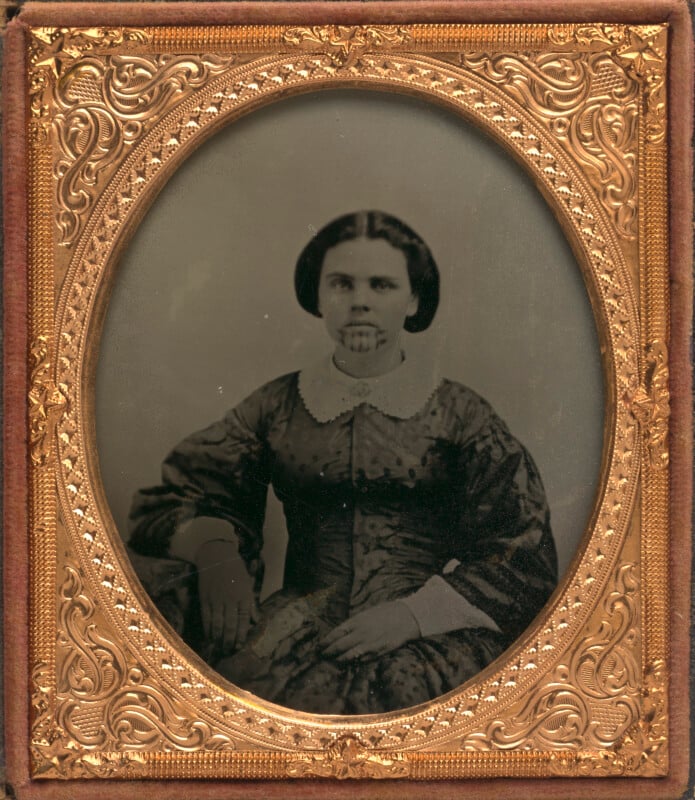
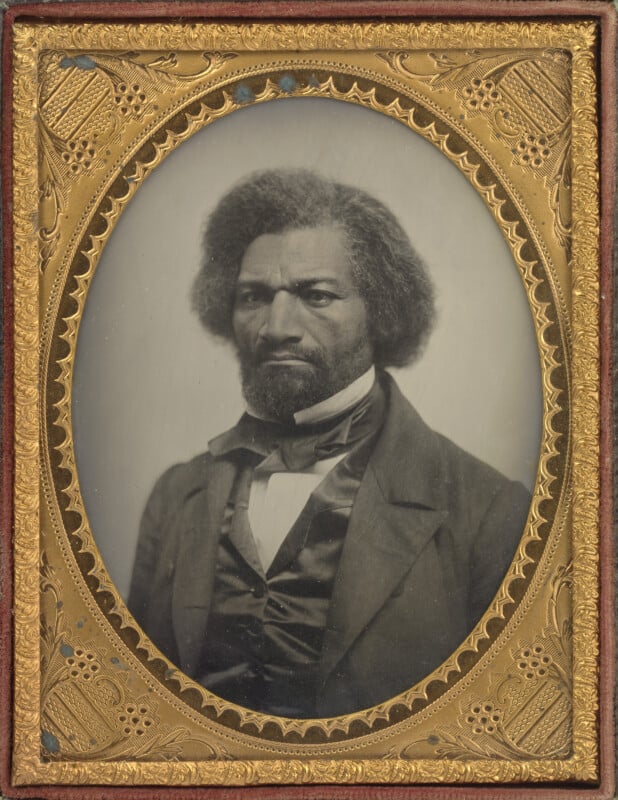
In addition to the celebrated names, the exhibition pays tribute to the "unidentified artists" of the 19th century whose work remains vital to the national archive. Portraits such as the sixth-plate ambrotype of Olive Oatman from 1856, showing her prominent chin tattoo received during her years living with the Mohave people, or the quarter-plate ambrotype of Frederick Douglass, provide essential visual links to a past that was often fraught with conflict and transformation. These early images remind viewers that photography was, from its inception, a tool for documenting the complexities of identity and survival.
"Photographic Memory: Fifty Years of Collecting" will occupy a significant space on the second floor of the National Portrait Gallery, located at Eighth and G streets NW in Washington, D.C. The exhibition is set to run for nearly a year, concluding its stay on November 7, 2027. This year-long window will allow a broad audience to engage with the collection, which now stands as a primary pillar of the Smithsonian’s efforts to tell the American story through the faces of its people. As the museum looks toward the next fifty years, this exhibition serves as both a celebration of past acquisitions and a testament to the enduring power of the photographic portrait to act as a witness to history.