Giving Photographers More Creative Control
While the engineering was driven by light sensitivity, the practical result is a new world of creative possibilities for the end user. Jeremy Hendricks emphasized that the variable aperture is the "next natural thing" to expand the creative range of the Pro camera system.
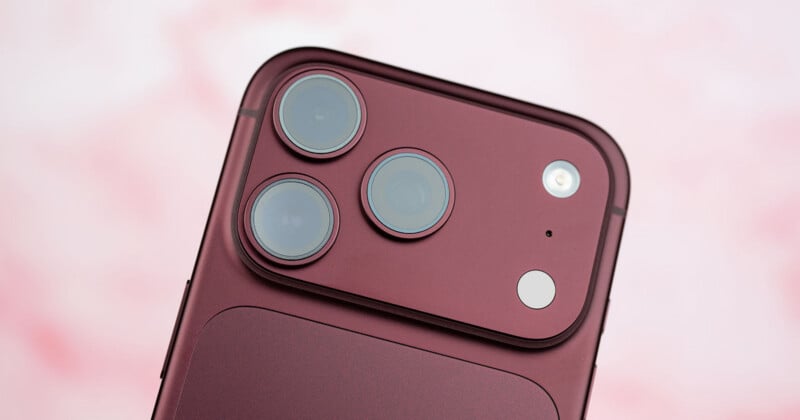
In traditional photography, the aperture is one of the three pillars of the "exposure triangle," alongside shutter speed and ISO. By bringing a physical aperture mechanism to the iPhone, Apple is giving users a tool that computational photography has previously only been able to simulate.
Waldon remarked on the excitement within the team regarding these creative applications. “Being able to shorten the depth of field even beyond what you can shoot with today at f/1.8… being able to close down the aperture gives you more things you can do when it comes to video. You can have more flexibility in shutter speed,” he said.
For videographers, this is a game-changer. In bright sunlight, a fixed wide aperture often forces the camera to use extremely high shutter speeds, which can result in "choppy" or unnatural-looking motion. By closing the aperture to f/4, users can maintain more cinematic shutter speeds without overexposing the frame. Furthermore, the physical blades of the aperture allow for the creation of "starburst" effects on bright light sources—an optical phenomenon that is difficult to replicate authentically through software alone.
Six Aperture Blades Struck the Right Balance
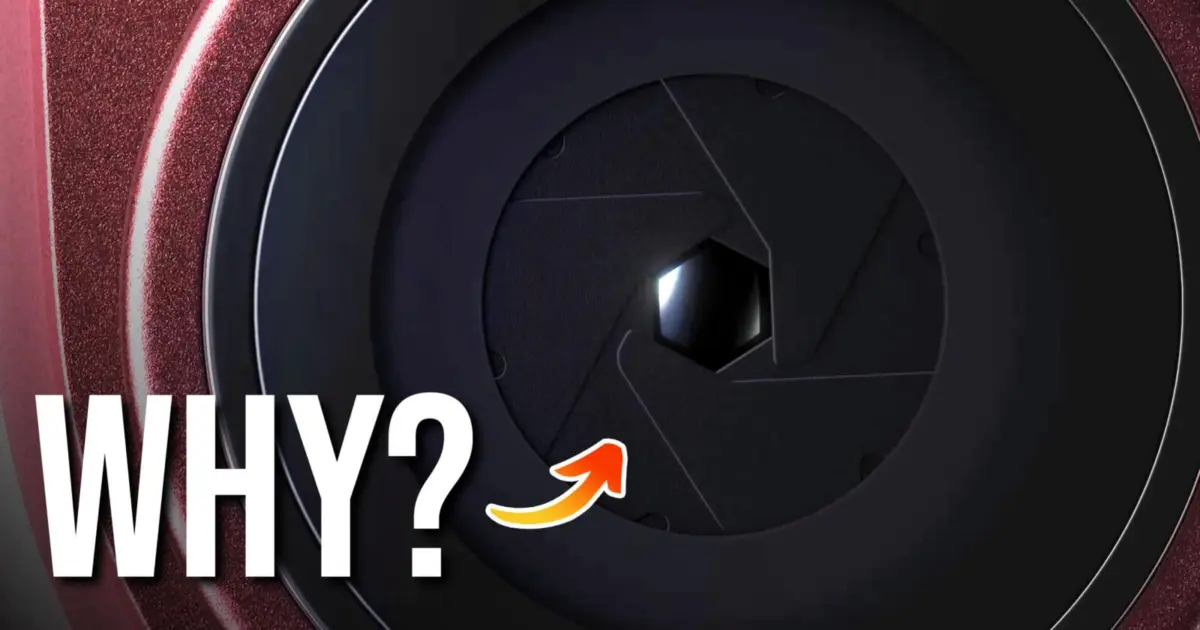
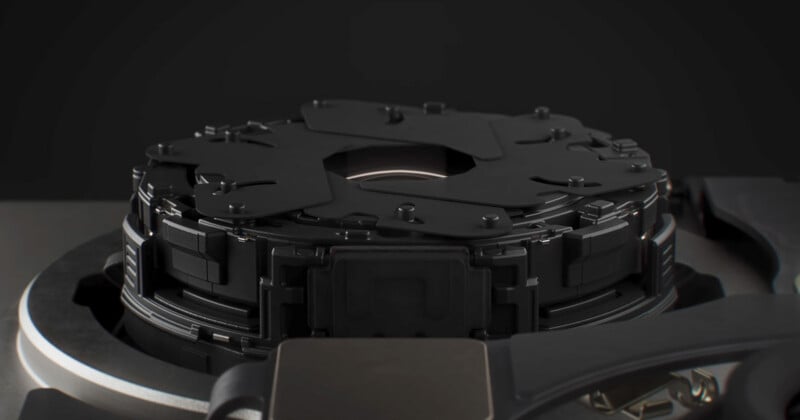
The heart of this new system is a stepless variable aperture mechanism featuring six precisely engineered blades. The choice of six blades was not arbitrary; it was the result of intense optimization to fit within the incredibly cramped confines of a smartphone camera module.
“Six blades was really a combination of things,” Waldon told PetaPixel. “One is just the physical dimensions of it. The more blades you add, given the size constraints, it becomes difficult to fit them all in. So there’s a physical constraint.”
However, the number of blades also dictates the aesthetic quality of the image. The shape of the aperture opening affects the look of "bokeh" (the quality of out-of-focus areas) and the structure of light flares. “We want enough blades to give sort of a nice, smooth aperture at every setting,” Waldon continued. “It impacts how the starburst looks. So for this particular design, six was really the sweet spot.”
The construction of these blades is a feat of material science. Each of the six blades is laser-cut from a specialized polymer composite designed by Apple to be incredibly light, yet durable enough to withstand years of near-constant movement. Each blade is thinner than a human hair, working in tandem with a new, ultra-compact rotor mechanism.
Hendricks noted the complexity of the achievement: “It’s amazing that you have this incredibly complex camera module, let alone with the rotor mechanism, with all of these different things that enable variable aperture in a really smart way on something that you have just in your pocket all the time.”
Each Aperture Value Has Its Place
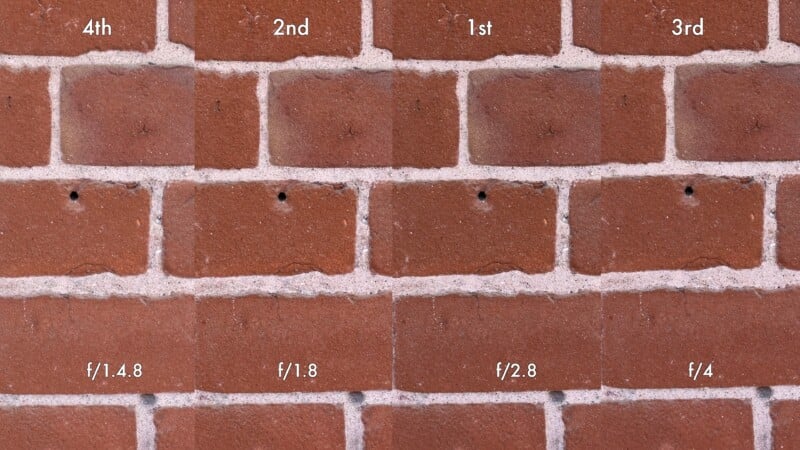
While the mechanical system is "stepless"—meaning it can technically move to any position—Apple has simplified the user interface to provide four distinct manual settings: f/1.48, f/1.8, f/2.8, and f/4.