Innovation also comes from the deliberate use of camera settings to manipulate the viewer’s perception. This might mean using intentional motion blur to convey the frantic energy of a flock, or underexposing a scene to create a dramatic silhouette against a sunset. The modern camera is a brush, and the settings are the palette.
Case Studies in Modern Impact
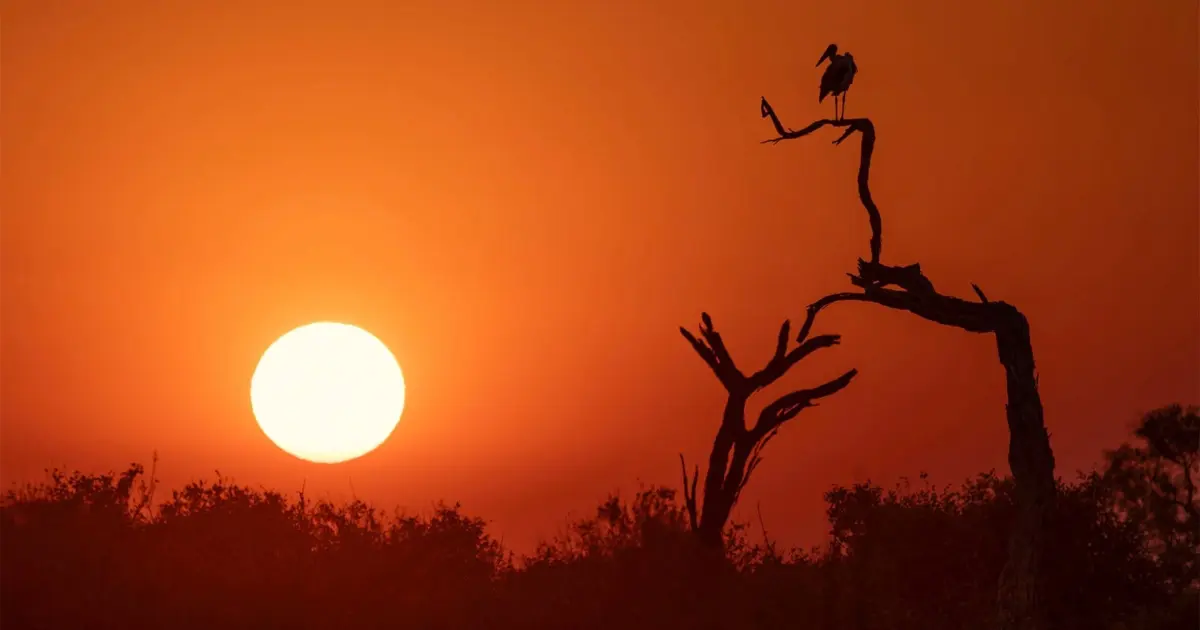
To illustrate this transition, Botha points to several of his own works that move beyond the traditional "bird on a stick" format. One example is a Marabou stork photographed at sunset. Rather than focusing on a tight portrait of the bird, Botha waited for the sun to drop until the sky turned a deep, glowing red. The stork is a small silhouette against a vast, dying light. The image isn’t just about a bird; it’s about the passage of time and the quietude of the African bush at dusk.
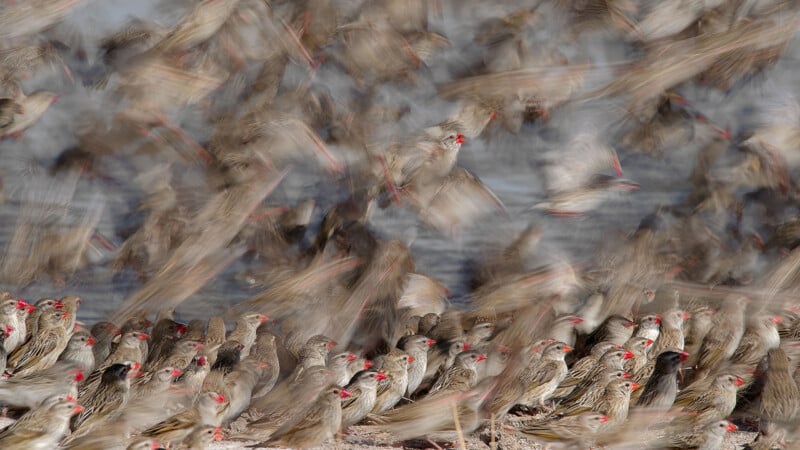
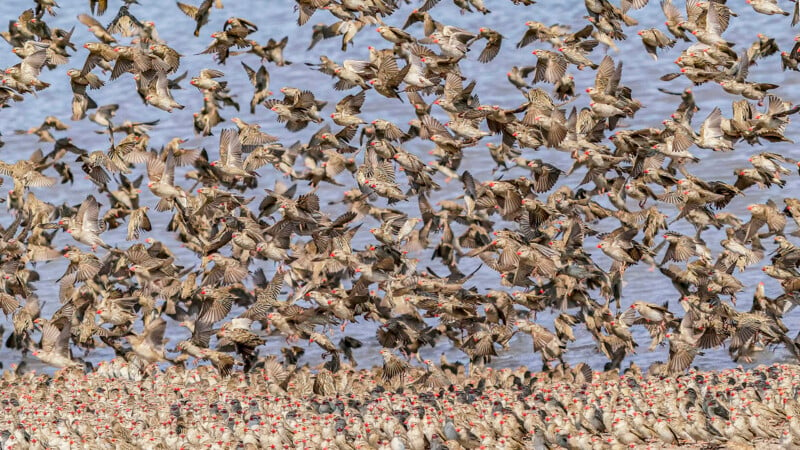
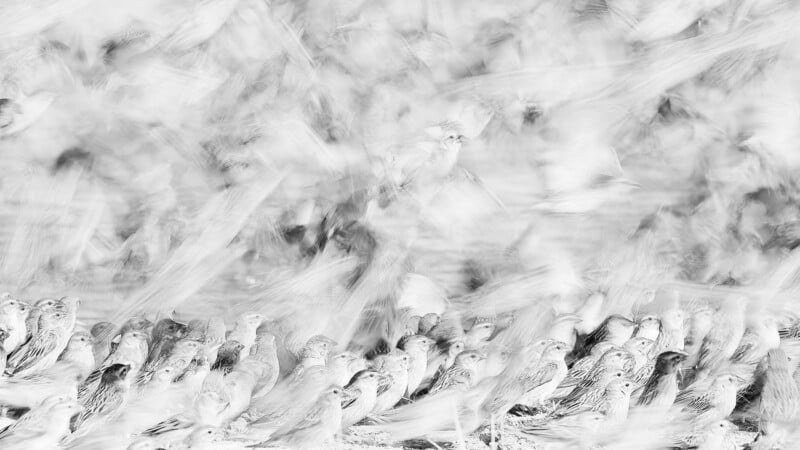
In another instance, Botha experimented with Red-billed queleas. While one version of the image used a high shutter speed (1/8000s) to freeze thousands of birds in perfect clarity, he found more impact in a second version shot at 1/20s. This slower speed blurred the birds in flight while keeping those on the ground sharp, creating a sense of chaotic movement. He further pushed the artistic boundary by converting the image into a high-key black-and-white, transforming a wildlife scene into a piece of graphic art.
Even with common subjects like ostriches, Botha sought differentiation. Instead of a standard full-body shot, he used a long lens to focus on ostrich chicks huddling under the wings of a parent for shade, deliberately cropping out the adult. This focused the viewer’s attention on the relationship and the behavior, creating a more intimate and impactful story than a traditional wide shot would allow.
Conclusion
The trajectory of wildlife photography has moved from the physical struggle of the slide era to the automated ease of the mirrorless age. For the modern practitioner, the challenge is no longer a technical one, but a creative one. As Johan J. Botha’s experience suggests, the photographers who will define the next decade of the craft are those who move beyond the "capture" and begin to "create."
Technical skill remains the foundation, but it is no longer the ceiling. To stand out in a world saturated with sharp, colorful images, the wildlife photographer must cultivate a distinctive personal vision. They must use their tools not just to record the natural world, but to interpret it, using light, composition, and behavior to paint a visual story that lingers in the mind long after the shutter has closed.