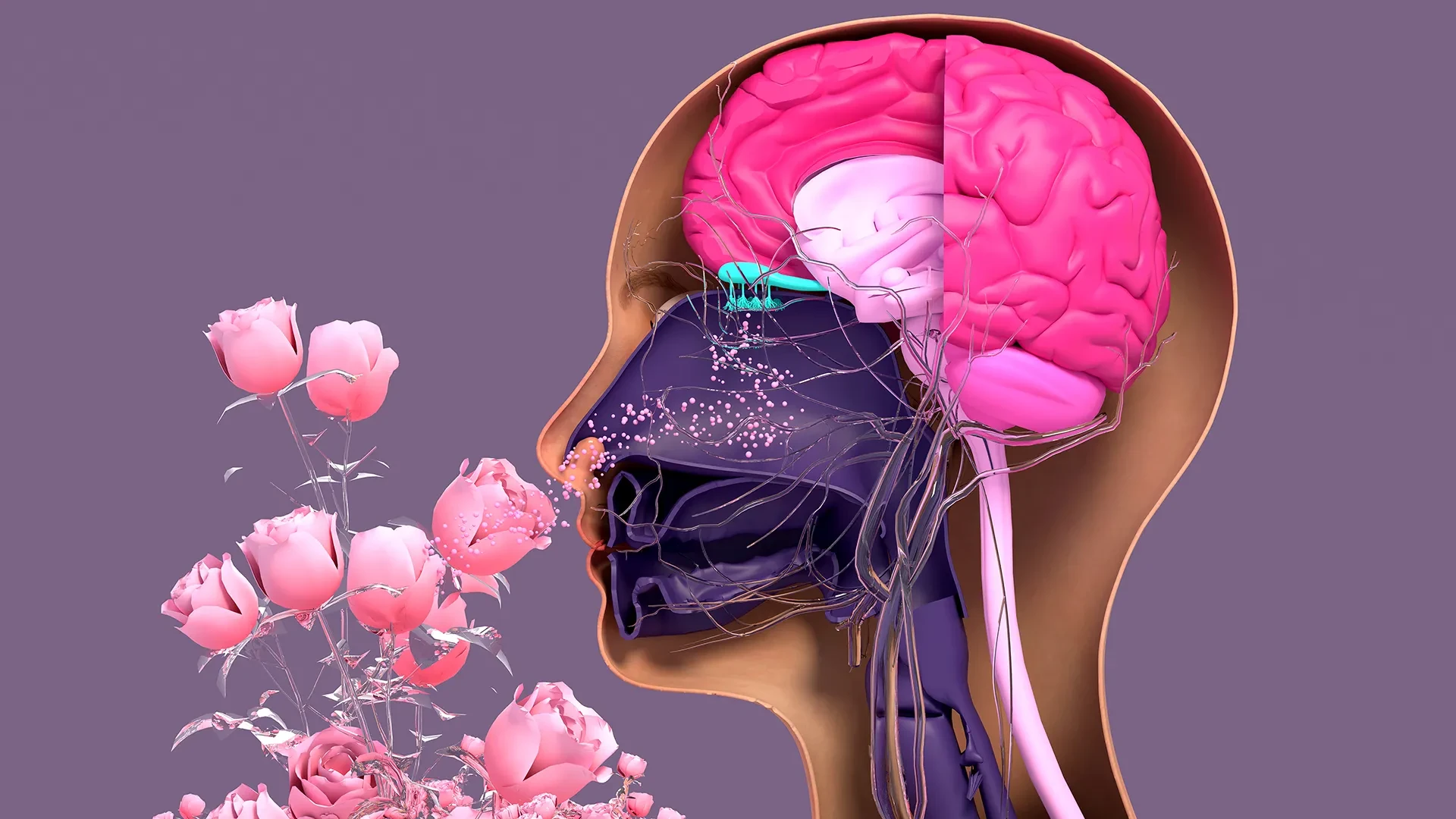
In the complex architecture of the human sensory system, the ability to detect odors is often taken for granted—until it vanishes. Whether through the natural progression of aging, exposure to environmental toxins, or the lingering effects of viral infections like COVID-19, the loss of smell can profoundly diminish one’s quality of life, affecting everything from nutritional habits to emotional well-being and personal safety. Now, a breakthrough study from researchers at Tufts University School of Medicine and the Graduate School of Biomedical Sciences (GSBS) is shedding new light on how the body maintains this vital sense and, more importantly, how it might be restored.
By developing a sophisticated, three-dimensional model of nasal nerve tissue, the research team has uncovered a surprising dynamic within the stem cell populations responsible for sensory regeneration. Their findings, recently published in the journal Cell Reports Methods, suggest that a specific type of stem cell previously dismissed as largely dormant actually plays a foundational role in the birth of new neurons. This discovery not only reshapes the scientific understanding of olfactory biology but also provides a new, accessible tool for laboratories worldwide to study the mechanisms of nerve repair.
The Remarkable Resilience of the Nasal Cavity
To understand the significance of the Tufts study, one must first appreciate the unique biological landscape of the nose. Unlike the central nervous system—where neurons in the brain and spinal cord are notoriously difficult to repair or replace once damaged—the olfactory system possesses a rare and remarkable regenerative capacity. Because the sensory neurons in the nasal cavity are constantly exposed to the external environment, including pathogens, pollutants, and physical trauma, they have evolved to undergo a continuous cycle of death and renewal throughout a person’s life.
However, this regenerative engine is not invincible. Factors such as chronic inflammation, the toxic effects of certain chemicals, and the biological shifts associated with aging can exhaust the system. When the replenishment of these neurons slows or stops, the result is anosmia (the total loss of smell) or hyposmia (a partial loss). While the medical community has long recognized the role of stem cells in this process, the exact "conversations" happening between different cell types have remained difficult to observe in real-time.
To bridge this gap, the Tufts team devised a new three-dimensional olfactory tissue mouse model, or organoid. These "mini-organs" grown in a lab setting allow scientists to mimic the complex architecture of living tissue far more effectively than traditional two-dimensional cell cultures. The model was designed to be "easy-to-create," a deliberate choice intended to lower the barrier for researchers across various disciplines who are now pivoting toward olfactory science in the wake of the global pandemic.
Redefining the Role of Horizontal Basal Cells
The centerpiece of the study involves a re-evaluation of two primary stem cell populations found in the olfactory epithelium: horizontal basal cells (HBCs) and globose basal cells (GBCs).
Historically, the scientific consensus held that GBCs were the primary "workhorses" of the nose, actively dividing to replace lost sensory neurons. In contrast, HBCs were often viewed as a reserve force—dormant cells that only sprang into action under conditions of extreme tissue injury. The Tufts research, however, tells a different story of interdependence.
Using their new 3D model, the researchers identified a specific subpopulation of HBCs, characterized by the production of a protein known as KRT5. Far from being passive bystanders, these KRT5-producing HBCs were found to be essential for the healthy generation of new neurons. When the team selectively depleted these cells from the organoid cultures, the production of new olfactory neurons was significantly impaired, regardless of the presence of other stem cells.