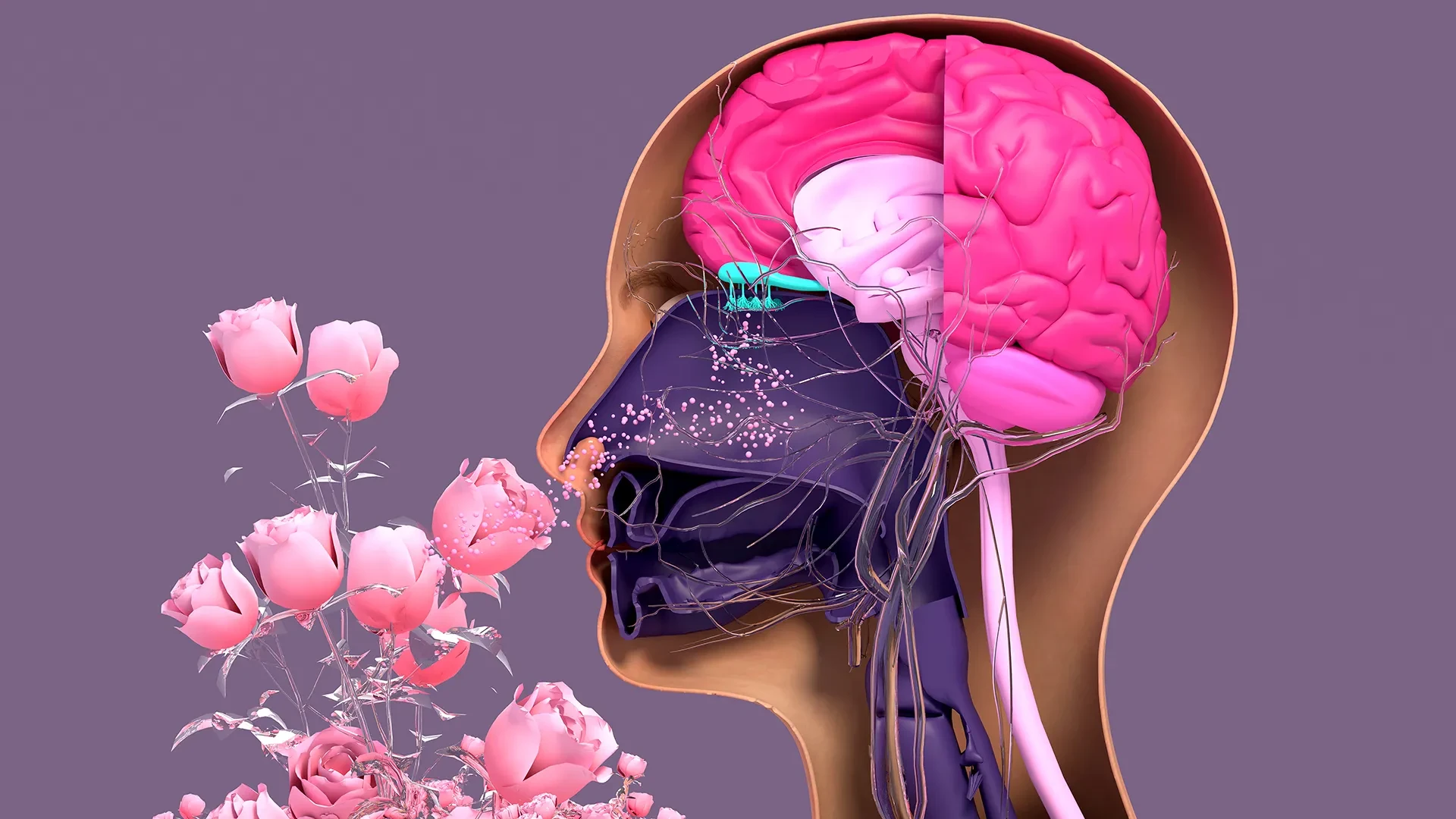
"Because loss of smell is associated with COVID-19, as well as with Parkinson’s disease and other conditions, a much larger number of researchers from a variety of different fields have begun researching olfactory epithelial cells in the last few years," Lin notes.
By creating a model that is easy to use and inexpensive to maintain, the Tufts team is essentially democratizing the study of the nose. This allows scientists who may not be specialized stem cell biologists to incorporate olfactory tissue modeling into their work, potentially accelerating discoveries in how viruses like SARS-CoV-2 interact with nasal tissue or how early-stage neurodegenerative diseases manifest in the olfactory system.
The Next Step: The Human Frontier
While the mouse-tissue model has provided invaluable insights into the basic mechanics of nerve regeneration, the ultimate goal for the Tufts researchers is to translate these findings into human health applications. The team is currently working toward the development of a human olfactory organoid.
If successful, a human-based model would serve as a powerful platform for drug screening. Currently, testing potential treatments for smell loss relies heavily on whole animal studies or limited human cell cultures, both of which have significant drawbacks in terms of speed, cost, and accuracy. An organoid could allow researchers to test thousands of compounds to see which ones best stimulate the KRT5-producing HBCs or bolster the GBC population in human tissue.
However, the path to a human organoid is fraught with technical challenges. Obtaining high-quality, pure olfactory tissue from human subjects is a difficult procedure. It typically requires a patient to be anesthetized while a specialized brush—similar to the swabs used for COVID-19 testing but pushed much deeper into the nasal cavity—is used to collect cells.
The primary hurdle lies in the "purity" of the sample. In mice, researchers can precisely isolate olfactory stem cells. In humans, the collection process often results in a mixture of olfactory cells and respiratory cells (the cells that line the rest of the airway). Because these cell types look and behave similarly in a lab setting, they are notoriously difficult to separate.
The research team’s next challenge is to develop a simple, inexpensive technique for separating these human olfactory stem cells and coaxing them to grow into the same 3D structures they have successfully created with mouse tissue.
As the scientific community continues to grapple with the long-term sensory effects of the pandemic and the challenges of an aging population, the work being done at Tufts provides a crucial foundation. By uncovering the hidden activity of "dormant" cells and providing the tools to see them in action, researchers are moving closer to a future where the loss of smell is no longer an inevitable or permanent condition.