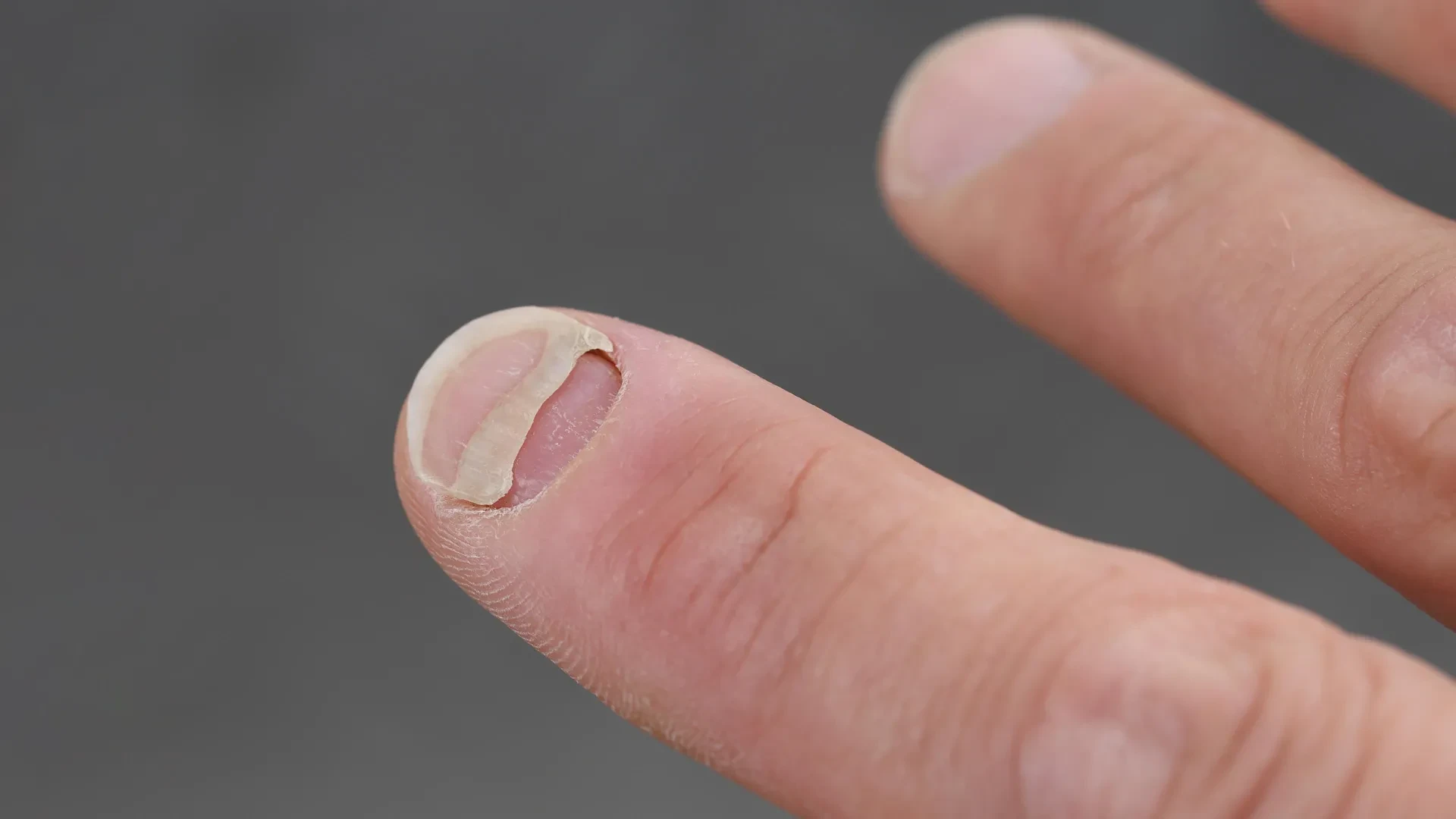
However, the researchers in this study were careful to account for this variable. When they isolated the data to compare GLP-1 users and non-users who had achieved similar levels of weight loss, the discrepancy in nail health remained. Even among those who had successfully lost weight through other means, the GLP-1 users continued to report significantly higher rates of nail detachment and discoloration.
This suggests that the medication itself, or the specific way it interacts with the body’s hormonal and inflammatory pathways, may be the primary driver of these changes. Dr. Charles Taïeb, one of the lead authors of the study, noted the importance of moving beyond anecdotal evidence to a data-driven understanding. He explained that while the findings show a clear association, they also highlight the complexity of the patient experience.
"Until now, nail changes associated with GLP-1 therapies had essentially been anecdotal," Dr. Taïeb said. "Our findings show a clear association, but they also underline an important point: not everything that happens during GLP-1 treatment is necessarily caused by the treatment itself."
The researchers pointed out that approximately half of the participants using the medication reported having some form of nail issue even before they began their treatment. When the team adjusted their findings to account for pre-existing skin conditions and known nutritional deficiencies, the gap between the groups narrowed slightly. Despite these adjustments, however, the incidence of nail detachment and discoloration remained two to three times higher among the GLP-1 group, reinforcing the theory that the medication plays a distinct role in these dermatological shifts.
Scientists Also Find Higher Rates of Hair Loss and Scalp Problems
The investigation into GLP-1 side effects extended beyond the fingertips. A companion study, utilizing the same multinational participant pool, focused on the health of the hair and scalp. The results mirrored the nail study, showing that GLP-1 users were significantly more likely to experience hair thinning and scalp irritation.
According to the data, 50% of GLP-1 users reported unusual hair loss, compared to 34% of the control group. Furthermore, a reduction in overall hair volume or density was reported by 42% of users, while only 19% of non-users experienced similar changes. Perhaps most telling was the data regarding "new-onset" hair loss—shedding that began specifically after the initiation of GLP-1 therapy. This was reported by 26% of the medication group, more than double the 12% reported by the control group.
A unique aspect of this hair loss was its association with scalp health. Rather than experiencing "quiet" shedding, many GLP-1 users reported accompanying symptoms such as scalp redness, itching, and flaking. In fact, scalp redness was found to be approximately three times more frequent among those taking the medications.
This cluster of symptoms led the researchers to propose a new hypothesis. While hair loss during weight loss is often attributed to telogen effluvium—a temporary shedding caused by physical or emotional stress—the presence of itching and redness suggests an inflammatory component.