Dr. Bruno Halioua, a co-author of the study, emphasized that this distinction is crucial for clinical management. "This suggests that what is happening on the scalp may go beyond the classical shedding seen after rapid weight loss and involve an inflammatory component," Dr. Halioua explained. "Scalp inflammation was the rule rather than the exception, which clinicians do not currently look for and which may be treatable. Taken together, our findings suggest that factors beyond weight loss alone may contribute to the hair, scalp and nail changes observed among GLP-1 users."
What the Findings Mean for People Taking GLP-1 Drugs
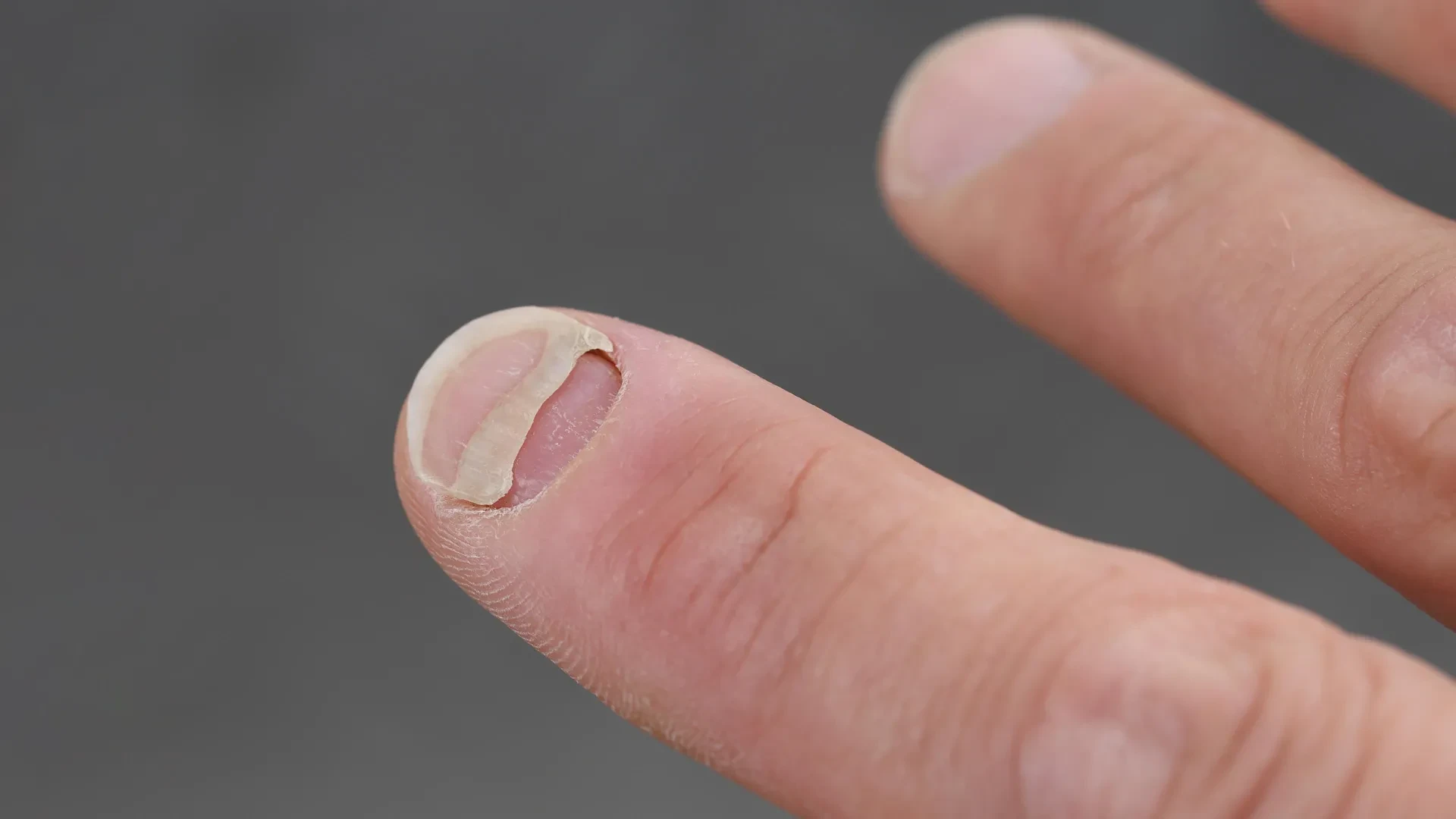
As the popularity of GLP-1 medications continues to grow, these findings provide a necessary framework for managing patient expectations and improving clinical care. While the reported symptoms—nail detachment, discoloration, hair thinning, and scalp inflammation—can be distressing for patients, the research team emphasized that they are generally benign from a strictly medical standpoint.
The researchers were clear in their recommendation: these side effects should not be a reason for patients to independently discontinue their medication. Given the significant benefits GLP-1 drugs provide for cardiovascular health, blood sugar control, and obesity management, the risks of stopping treatment often far outweigh the discomfort of dermatological changes.
Instead, the study encourages a more proactive dialogue between patients and their healthcare providers. If a patient notices changes in their nails or an increase in hair shedding, they should bring these concerns to their doctor. In many cases, these symptoms may be manageable through topical treatments, nutritional adjustments, or dermatological interventions that address the underlying inflammation.
The study does have certain limitations that the authors were quick to acknowledge. As a cross-sectional study, it captures a snapshot in time rather than tracking the progression of symptoms over a long duration. Furthermore, because the data relied on participant self-reporting rather than direct clinical examinations by the research team, there is a degree of subjectivity in the reported severity of the symptoms.
To build upon these findings, the research team is already planning prospective studies. These future investigations will follow patients from the moment they are first prescribed a GLP-1 medication, utilizing standardized clinical examinations and biological monitoring to track changes in the skin, hair, and nails in real-time. This will help determine exactly when these symptoms tend to appear and whether they naturally resolve as the body adapts to the medication or as weight stabilizes.
The research received institutional support from DUCRAY Laboratories, a subsidiary of the Pierre Fabre Group. The company specializes in dermatological and hair care products, and its involvement underscores the growing interest in developing specialized care regimens for patients undergoing metabolic treatments.
For now, the study serves as a vital reminder that systemic medications can have far-reaching effects. While the focus of GLP-1 therapy remains on the gut and the brain, the skin and its appendages may offer important clues into the body’s overall response to these powerful new tools in metabolic medicine.