
For landscape photographers, the arrival of autumn in the Northeastern United States represents one of the most exhilarating yet demanding windows of the year. It is a season defined by an explosion of color, but also by its frustratingly brief duration. After twenty years of navigating these fleeting weeks, veteran photographer Kate Garibaldi has distilled two decades of field experience into a comprehensive philosophy designed to help photographers move beyond simple snapshots and toward a more diverse, professional portfolio.
The challenge of autumn photography, according to Garibaldi, lies in the paradox of its abundance. When the landscape is saturated with vibrant reds, oranges, and yellows, it is easy for a photographer to become overwhelmed, returning from a shoot with hundreds of images that essentially document the same scene from slightly different angles. Garibaldi argues that the most successful seasons are not defined by finding the "perfect" peak color, but by the intentionality of the photographer’s approach and their ability to see past the obvious.
The Strategic Value of a Seasonal Shot List
One of the primary lessons Garibaldi emphasizes is the necessity of a structured plan, which she formalizes through a seasonal "shot list." In a professional context, this list does not serve as a rigid set of instructions, but rather as a roadmap to ensure portfolio diversity. Because the window for peak color can fluctuate wildly based on local weather patterns—sometimes lasting only a few days before a windstorm strips the canopy—having a pre-defined set of objectives prevents the aimless wandering that often consumes precious light.
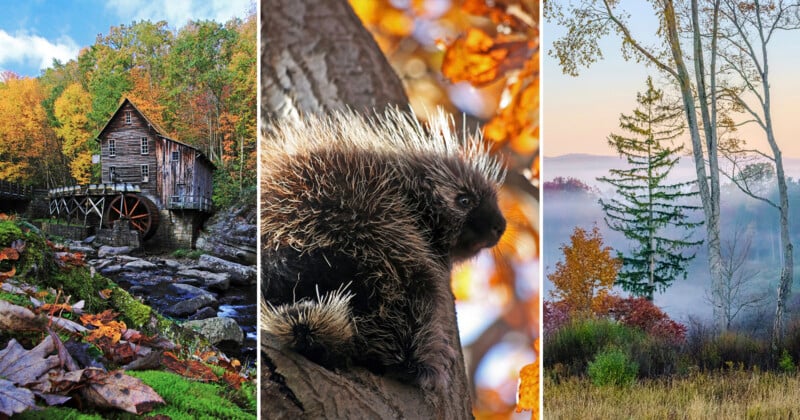
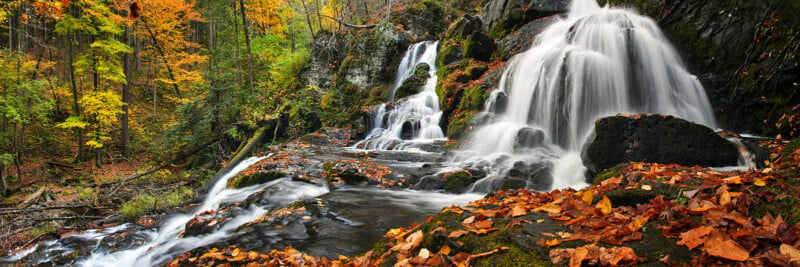
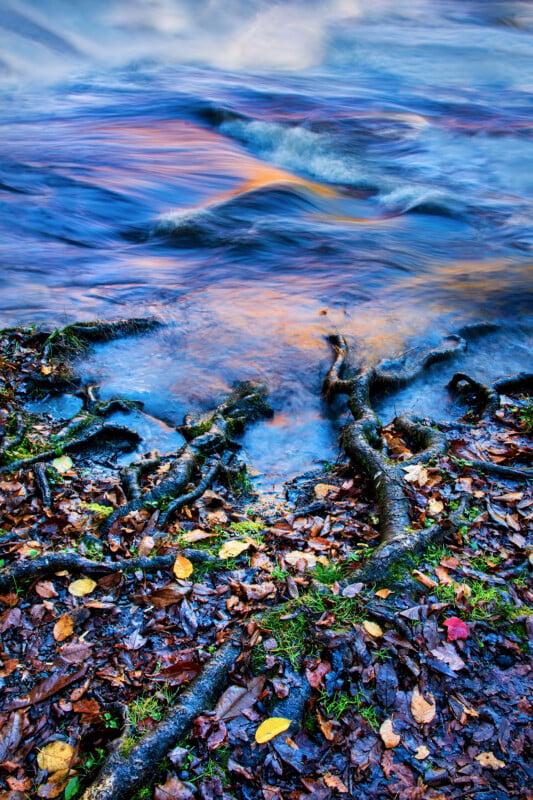
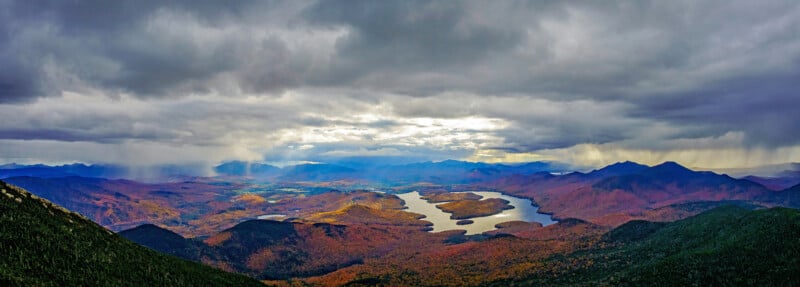
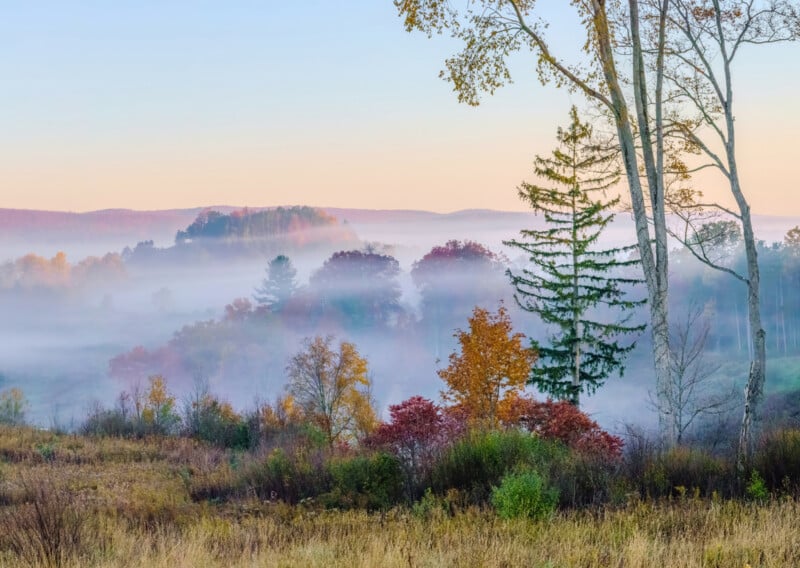
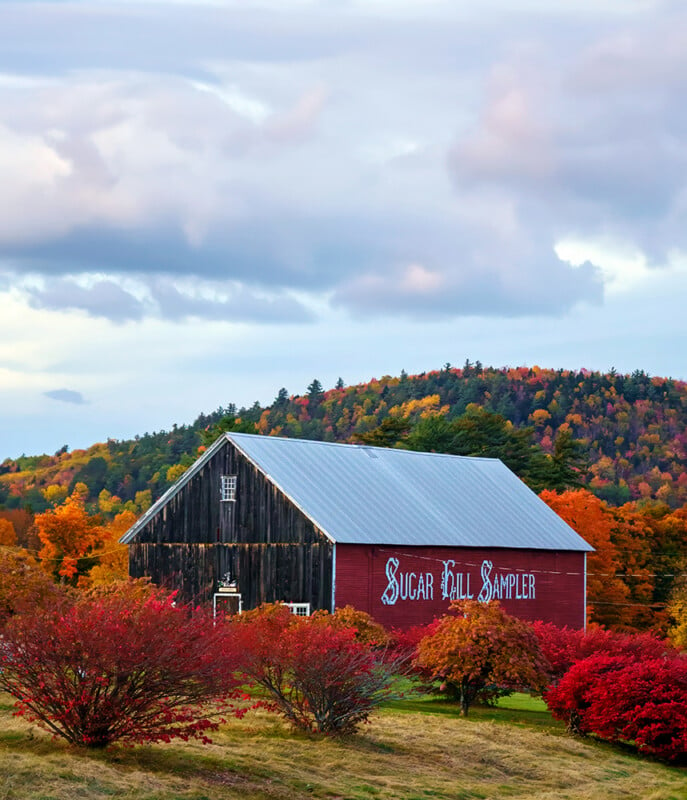
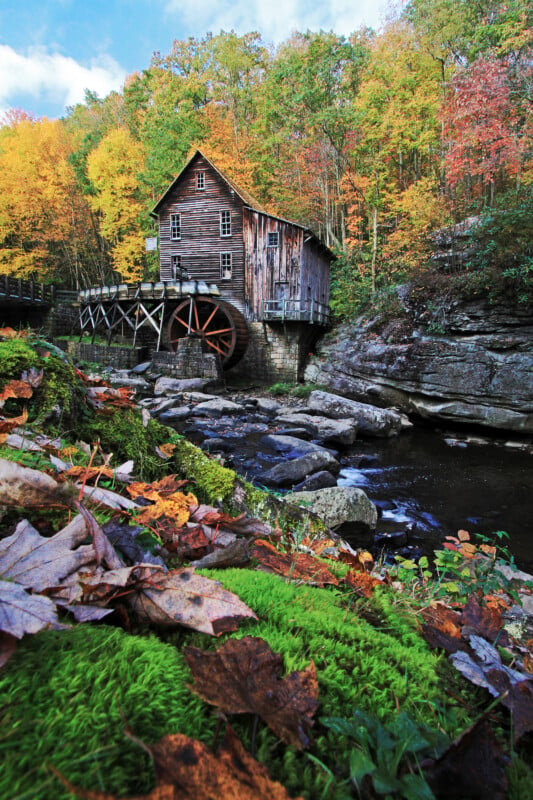
Garibaldi’s approach involves categorizing potential images before she even leaves the house. Her list typically includes a wide spectrum of perspectives: macro studies of individual leaves, long-exposure waterfall compositions using rocks as leading lines, expansive panoramic vistas, and architectural elements like weathered barns or historic covered bridges that ground the foliage in a sense of place. By keeping these categories in mind, she ensures that her body of work from a single season feels like a complete narrative of the landscape rather than a repetitive collection of forest views.
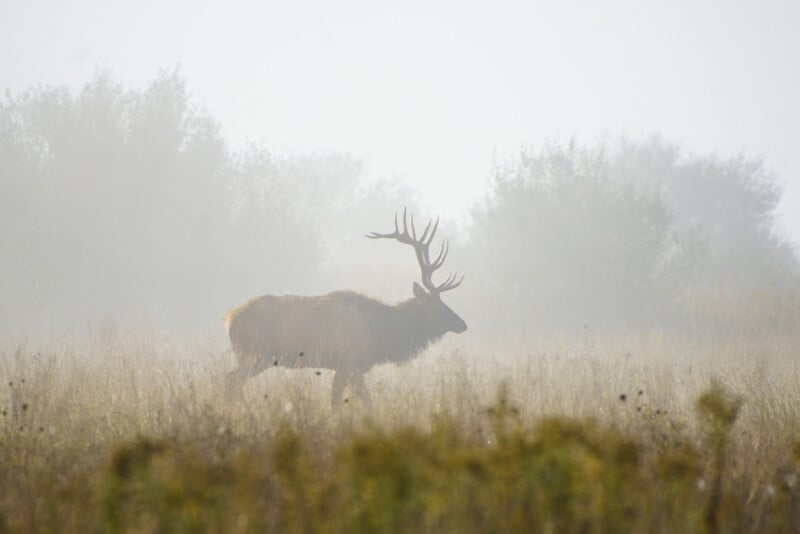
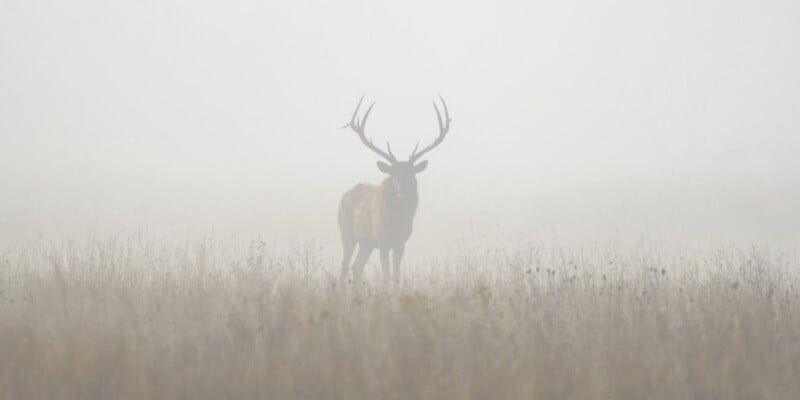
This strategy also includes a focus on the "micro-landscape." While most photographers are drawn to the sweeping hillsides, Garibaldi looks for the quiet contrasts found in moss, mushrooms, and bark. These elements provide a textural counterpoint to the high-key colors of the canopy. Wildlife also plays a critical role in her seasonal planning. Whether capturing a tight portrait of an animal framed by autumn leaves or using a telephoto lens to place a subject within a vast environmental scene, she seeks to integrate the fauna of the Northeast into the broader seasonal story.
Synchronizing Photography with Meteorological Shifts
A significant portion of Garibaldi’s success over the last twenty years can be attributed to her nuanced understanding of how weather and light interact with autumn colors. Rather than viewing "bad weather" as a deterrent, she uses the forecast to dictate which item on her shot list she will pursue on any given day.
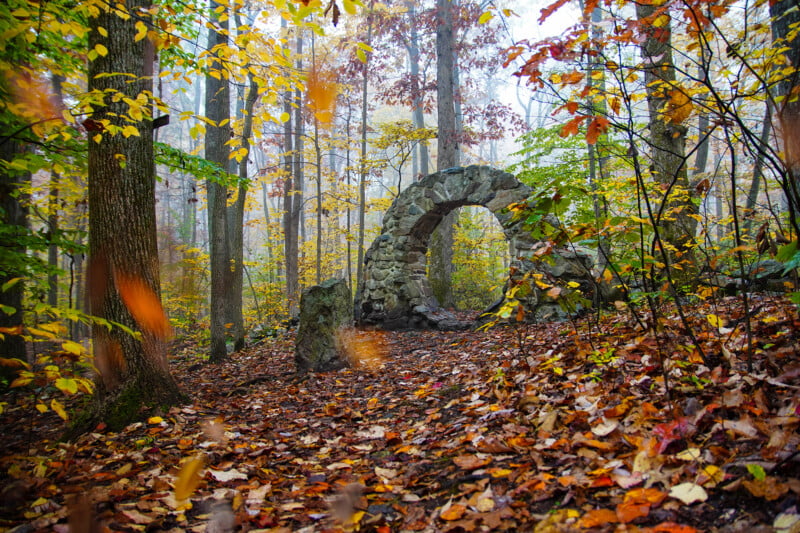
Overcast conditions, often dismissed by casual observers, are among Garibaldi’s favorite environments for specific types of work. She describes a cloudy sky as a "giant softbox" that eliminates the harsh, localized highlights and deep shadows that can ruin a forest composition. Under this diffused light, the saturation of autumn leaves is often more accurately rendered by the camera sensor, making it the ideal time for macro photography and forest interior shots.
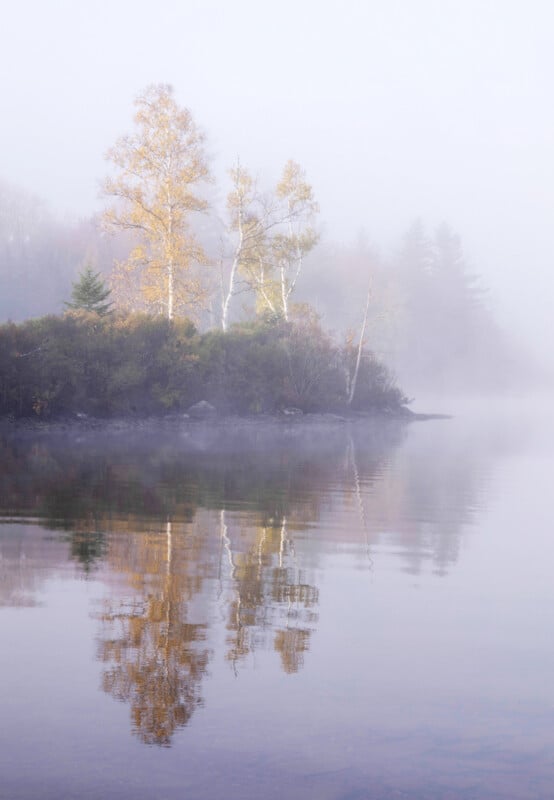
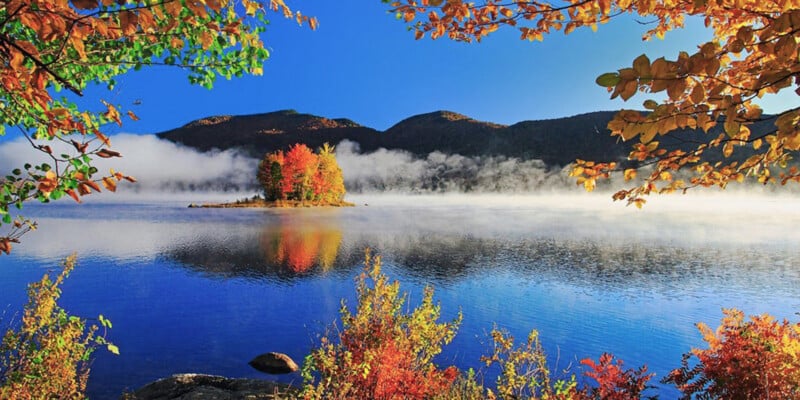
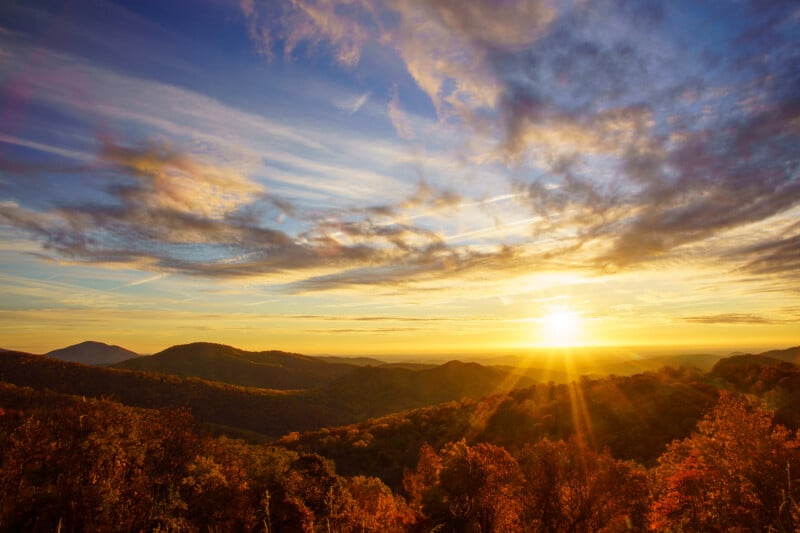
Rain, too, is a powerful tool in the professional landscape photographer’s kit. Garibaldi notes that the day or two following a significant rainfall is the optimal time for waterfall photography. Not only is the water flow more dramatic, but the moisture saturates the colors of moss and rocks, creating a deep, rich palette that is impossible to replicate in dry conditions. Conversely, she reserves her trips to mountain overlooks and panoramic vistas for days with partly cloudy skies during the "golden hours" of sunrise and sunset. This provides the necessary depth and texture in the sky to complement the complex colors of the valley below.
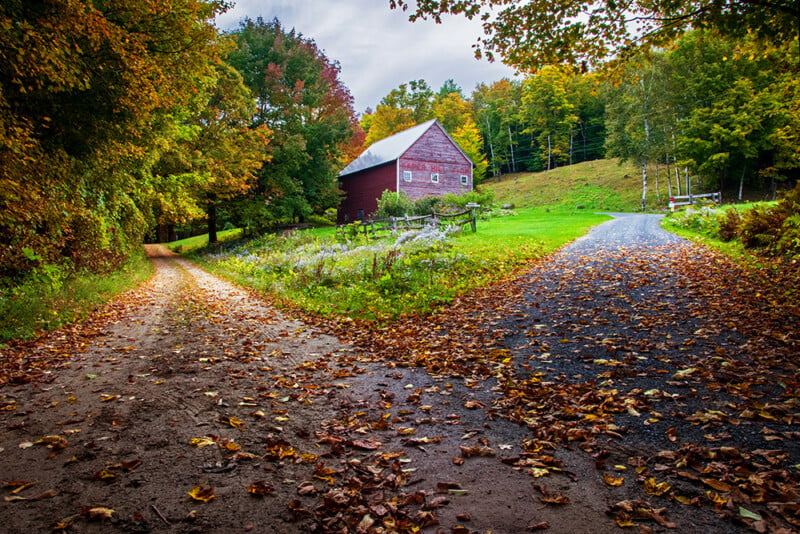
The Trap of the Iconic View
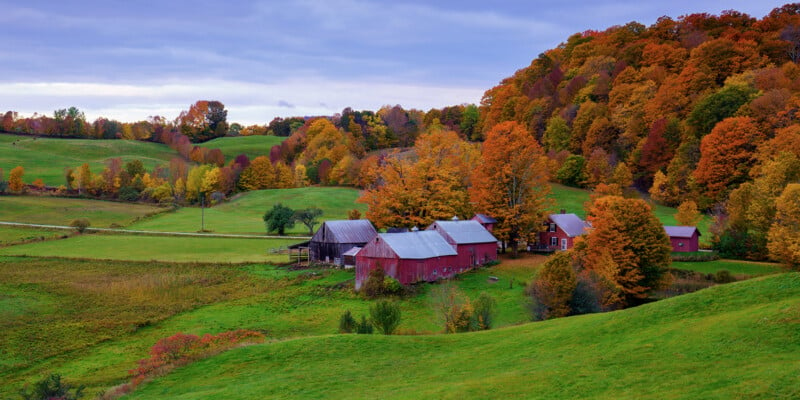
A common pitfall for photographers during the autumn season is the "famous view" trap. Garibaldi acknowledges that there is nothing inherently wrong with capturing an iconic location—these spots are popular for a reason—but she warns that stopping there often leads to a derivative portfolio. Her method involves "working the scene" far beyond the initial, obvious composition.
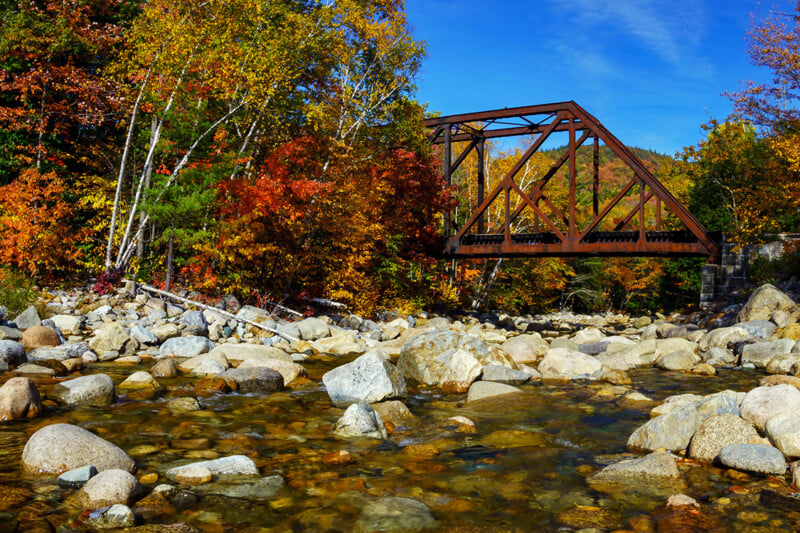
When standing at a popular overlook, Garibaldi will take the "tourist shot" to get it out of her system, but then she immediately begins looking for what everyone else is missing. This might mean switching to a telephoto lens to isolate a single, exceptionally vibrant tree on a distant ridge, or finding a trail that leads into the woods to discover how the light filters through the understory. By changing her physical position—getting lower to the ground or walking a few hundred yards away from the designated viewing area—she often finds intimate compositions that tell a more personal story of the location.
Technical Versatility Through Lens Selection

Garibaldi views lens selection as more than a technical necessity; she sees it as a way to force a psychological shift in how she perceives the environment. It is easy to rely on a single versatile zoom lens, but she argues that physically changing glass requires the photographer to reset their vision.
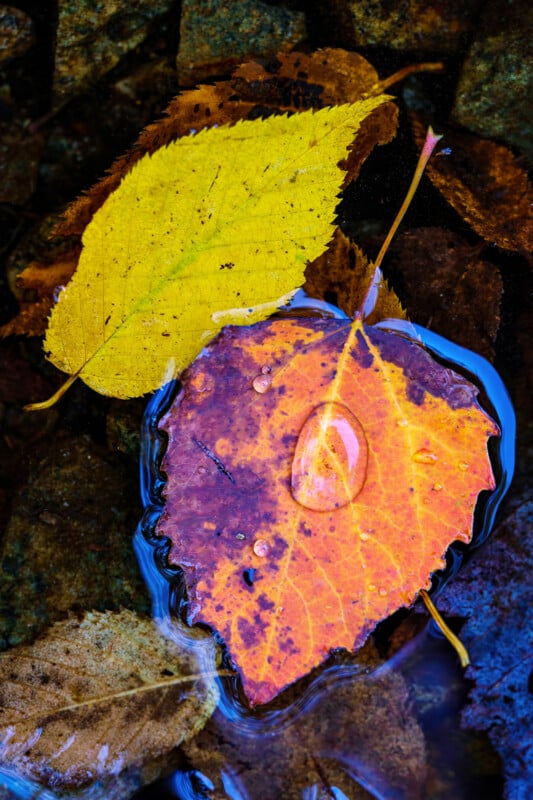
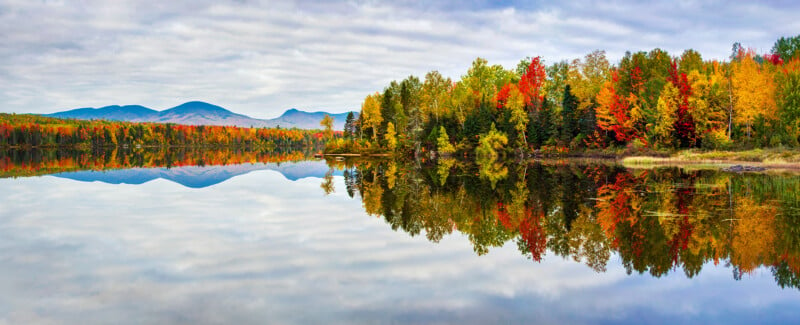
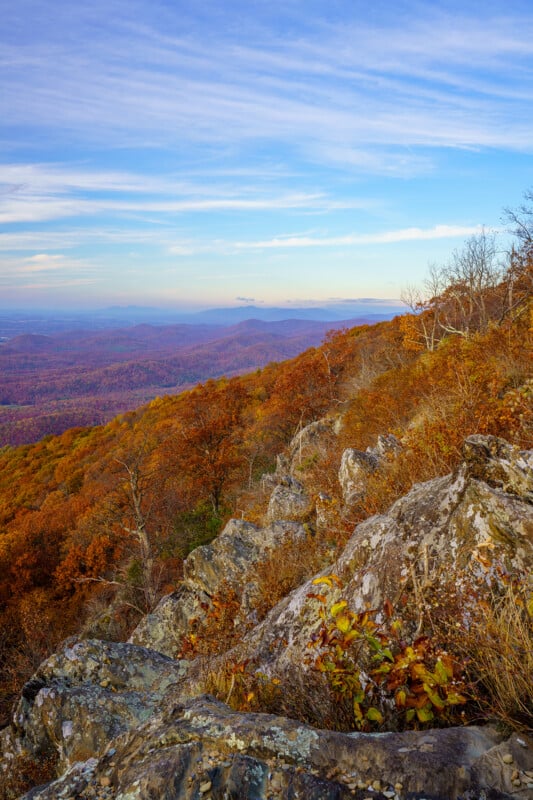
When she moves from a wide-angle lens, used for sweeping landscapes with strong foreground elements, to a telephoto lens, the landscape is compressed. This compression allows her to stack ridges of color on top of one another, turning a three-dimensional mountain range into an abstract series of overlapping bands. When she switches again to a macro lens, the entire scale of her work changes. A single red leaf resting on a bed of green moss becomes a study in color theory and texture. This constant shifting of focal lengths ensures that her final collection of images offers the viewer a variety of scales and emotional registers.
Compositional Depth and the Human Element
In her two decades of work, Garibaldi has found that the most compelling autumn photographs are those that provide a sense of depth and scale. Because a "wall of color" can often look flat in a two-dimensional photograph, she actively seeks out layers. This might involve shooting through a foreground of out-of-focus leaves to frame a distant subject, or finding a stream where the rocks provide a clear path for the eye to follow into the frame.

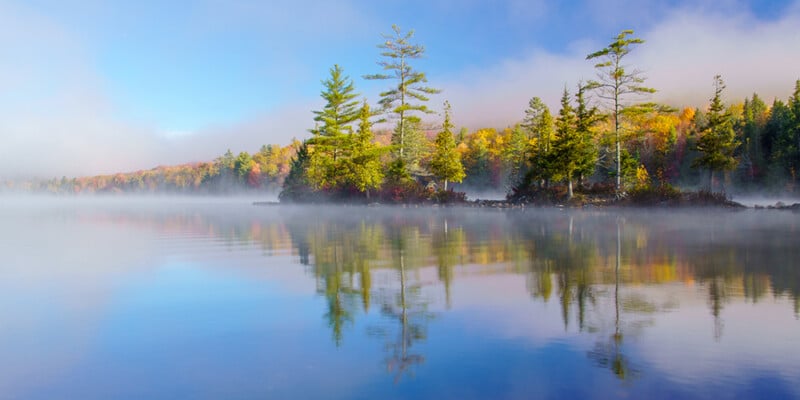
She also emphasizes the importance of giving the foliage a "job" within the composition. Rather than the color being the sole subject, she uses it to enhance other elements. This could be a hiker on a trail providing a sense of scale to a massive forest, or a white church steeple reflecting in a pond surrounded by orange maples. In these instances, the autumn color serves as the atmospheric context for a larger story about the intersection of nature and human presence.
The Discipline of Intuition and Knowing When to Move On
Perhaps the most mature lesson Garibaldi shares is the importance of intuition—specifically, the ability to recognize when a shot is not working. Despite the beauty of the foliage, not every scene translates into a strong photograph. She has learned to give herself permission to walk away from a location if the light is flat or the composition feels cluttered, even if the colors are at their peak.
This discipline is vital during the short autumn window. Time spent trying to "save" a mediocre composition is time lost that could be spent finding a more compelling subject elsewhere. Garibaldi’s shot list provides the safety net for this decision; if the vistas aren’t working, she knows she can pivot to the forest floor or a nearby waterfall.
Ultimately, Garibaldi’s twenty years of experience suggest that great autumn photography is a balance between rigorous planning and creative flexibility. By entering the season with a clear set of objectives and a deep understanding of how to work with the elements, a photographer can move beyond the role of a spectator and become a true chronicler of the season. The goal is not merely to document the change in the leaves, but to create a body of work that reflects a unique, intentional connection to the landscape.