Compositional Depth and the Human Element
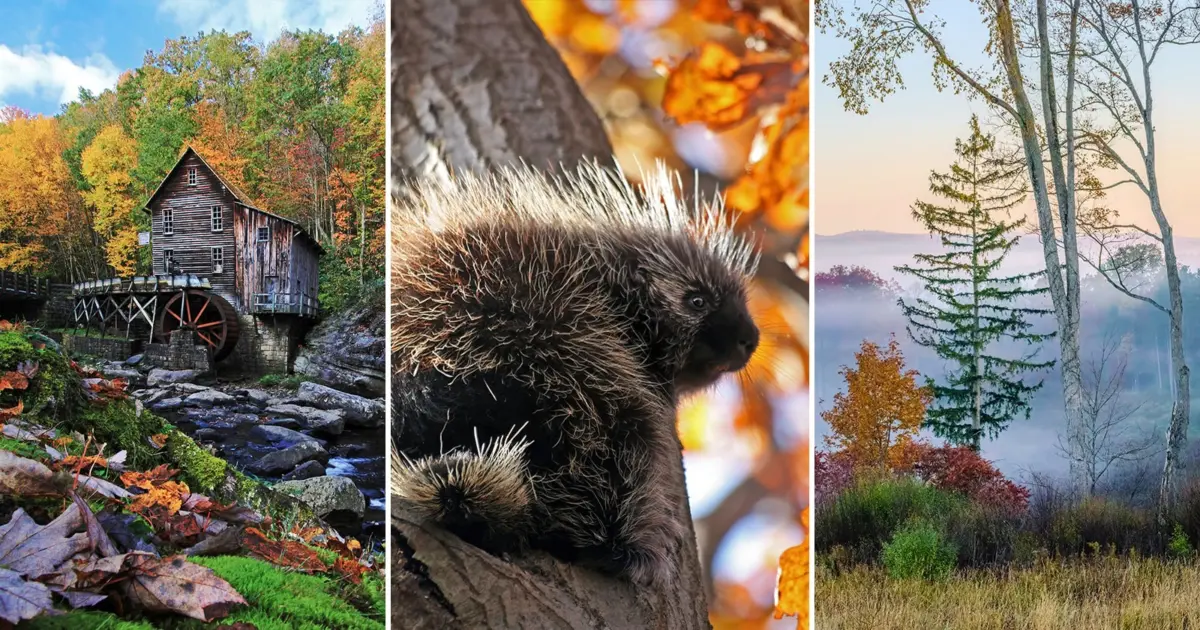
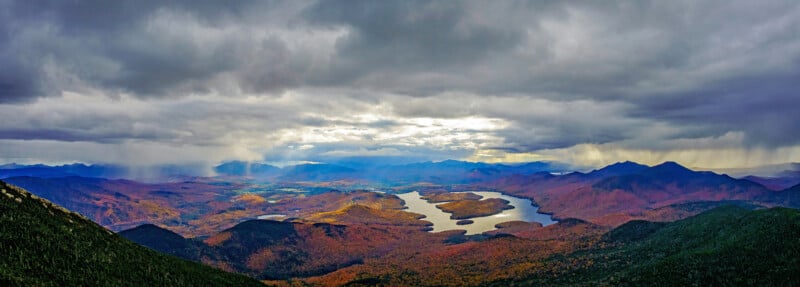
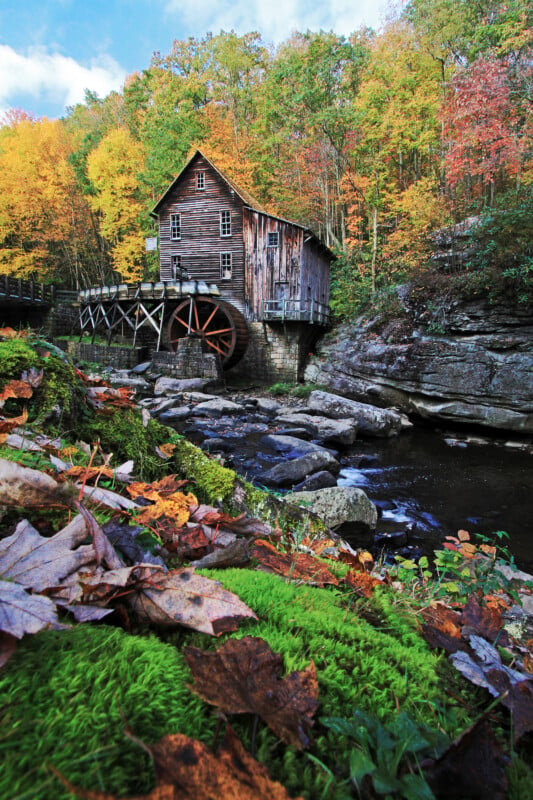
In her two decades of work, Garibaldi has found that the most compelling autumn photographs are those that provide a sense of depth and scale. Because a "wall of color" can often look flat in a two-dimensional photograph, she actively seeks out layers. This might involve shooting through a foreground of out-of-focus leaves to frame a distant subject, or finding a stream where the rocks provide a clear path for the eye to follow into the frame.

She also emphasizes the importance of giving the foliage a "job" within the composition. Rather than the color being the sole subject, she uses it to enhance other elements. This could be a hiker on a trail providing a sense of scale to a massive forest, or a white church steeple reflecting in a pond surrounded by orange maples. In these instances, the autumn color serves as the atmospheric context for a larger story about the intersection of nature and human presence.
The Discipline of Intuition and Knowing When to Move On
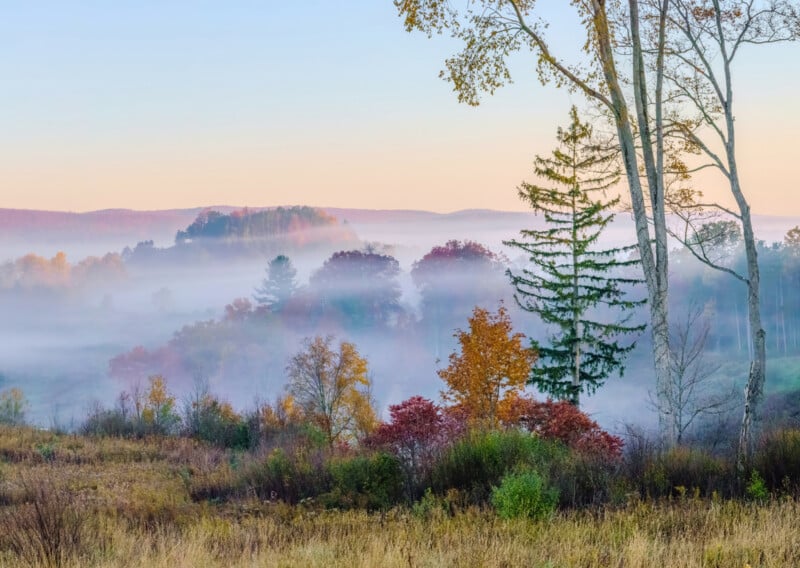
Perhaps the most mature lesson Garibaldi shares is the importance of intuition—specifically, the ability to recognize when a shot is not working. Despite the beauty of the foliage, not every scene translates into a strong photograph. She has learned to give herself permission to walk away from a location if the light is flat or the composition feels cluttered, even if the colors are at their peak.
This discipline is vital during the short autumn window. Time spent trying to "save" a mediocre composition is time lost that could be spent finding a more compelling subject elsewhere. Garibaldi’s shot list provides the safety net for this decision; if the vistas aren’t working, she knows she can pivot to the forest floor or a nearby waterfall.
Ultimately, Garibaldi’s twenty years of experience suggest that great autumn photography is a balance between rigorous planning and creative flexibility. By entering the season with a clear set of objectives and a deep understanding of how to work with the elements, a photographer can move beyond the role of a spectator and become a true chronicler of the season. The goal is not merely to document the change in the leaves, but to create a body of work that reflects a unique, intentional connection to the landscape.