To address this escalating challenge, the Digital Health in the Circular Economy (DiCE) project has concluded a comprehensive four-year research initiative. The project’s primary objective was to develop a viable blueprint for a circular healthcare system—a framework designed to ensure that medical products, their intricate components, and the raw materials they contain are kept in use for as long as possible. By shifting away from the traditional "take-make-dispose" linear model, the DiCE project seeks to align the burgeoning digital health sector with global sustainability goals. The research took an exhaustive look at the entire lifecycle of digital healthcare products, beginning at the earliest stages of design and manufacturing and extending through the complexities of collection, refurbishment, reuse, and high-quality recycling.
One of the most significant barriers identified by the researchers is the current regulatory and safety classification of medical devices. Under existing protocols, many electronic medical devices are categorized as hazardous healthcare waste once they have been used. This classification is primarily driven by concerns over biological contamination and the need to maintain strict hygiene standards in clinical environments. However, this designation often mandates that the devices be incinerated to eliminate any potential health risks. While this process ensures patient and public safety, it makes the recovery of sophisticated electronics and precious metals nearly impossible. The DiCE project highlights that this tension between clinical safety and environmental sustainability is a critical hurdle that must be cleared if the industry is to reduce its ecological footprint.
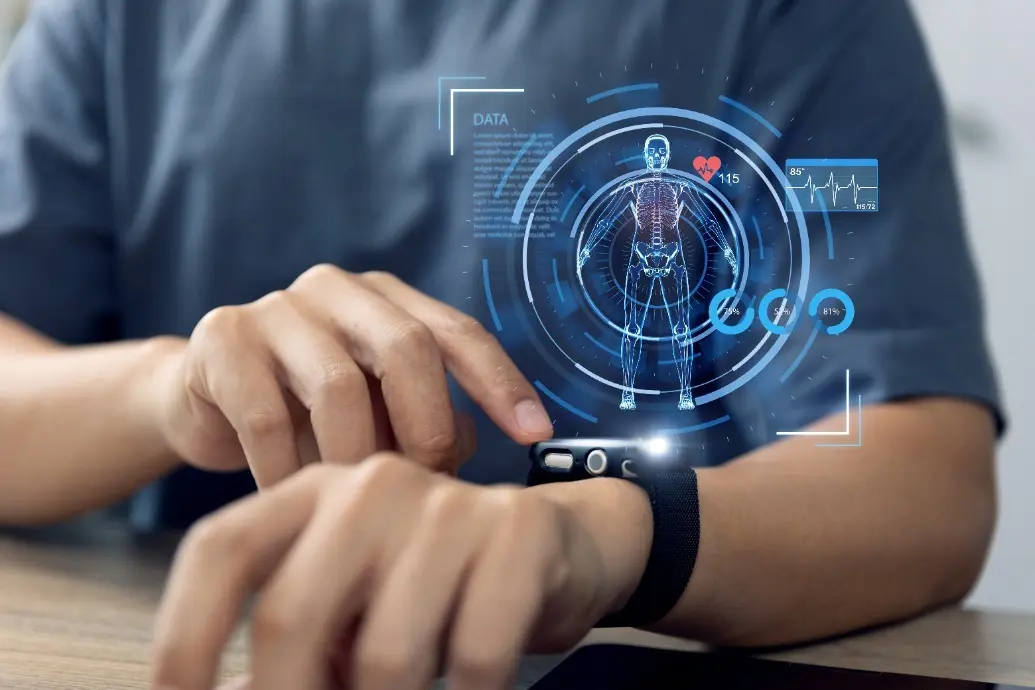
The scale of the e-waste problem is already substantial, but projections suggest it is poised to worsen dramatically as the world embraces "connected health." The study noted that in 2020 alone, approximately 83 million wearable medical devices were introduced to the European market. These include everything from heart rate monitors and glucose sensors to sophisticated smart patches that track patient vitals in real-time. When looking at the global landscape, the trajectory is even more concerning. If current market trends and consumption patterns continue, annual sales are expected to approach two billion devices by the year 2050. This exponential growth reflects a fundamental shift in how medicine is practiced, moving away from intermittent hospital visits toward continuous, data-driven monitoring. Without a systemic change in how these devices are managed at the end of their life, the volume of medical e-waste could become unmanageable.
To mitigate this looming crisis, the DiCE project offers several key recommendations that target various stages of the product lifecycle. A central pillar of their proposed blueprint is a shift in product design. Researchers argue that devices must be engineered with their eventual disposal or reuse in mind. This means designing hardware that is easier to repair, refurbish, and remanufacture. For instance, making batteries easily removable and ensuring that modular components can be swapped out without destroying the entire unit would significantly extend the functional life of many devices. Furthermore, the project advocates for the implementation of digital product passports. These would be digital records associated with each device, detailing the specific materials and components used in its manufacture. Such transparency would provide recyclers and refurbishers with the information necessary to safely and efficiently process the equipment, ensuring that valuable materials like gold and lithium are recovered rather than lost.
The research also emphasizes that extending the lifetime of a product yields much greater environmental dividends than focusing on recycling alone. While recycling is a necessary component of a circular economy, it is an energy-intensive process that often results in the "downcycling" of materials. In contrast, reuse and refurbishment preserve the energy and resources already embedded in the finished product. The project provided a striking example of this principle through a case study on electrocardiogram (ECG) lead sets. The study found that using reusable ECG leads, which are designed to be cleaned and used across multiple patients, reduced environmental impacts by between 81% and 94% when compared to the disposable, single-use alternatives that are common in many hospitals today. This massive reduction in environmental footprint demonstrates the transformative potential of moving away from the disposable culture that has come to dominate modern healthcare.
Changing the physical design of products is only one part of the equation; the logistical infrastructure for returning devices must also be overhauled. To understand the human element of this transition, the DiCE project conducted consumer trials involving 414 participants across Belgium, Spain, and Slovenia. The findings were encouraging, revealing a strong willingness among the public to participate in circular systems. More than 60% of those surveyed indicated they would be willing to return unwanted or used healthcare devices, provided that convenient and accessible collection systems were made available to them. This suggests that the primary barrier to high return rates is not a lack of consumer interest or environmental awareness, but rather a lack of infrastructure. If healthcare providers and manufacturers can collaborate to create simple, "no-friction" return pathways, the volume of devices recovered for refurbishment or recycling could increase significantly.
However, the transition to a circular healthcare system is not without its complexities. The project concluded that achieving a meaningful reduction in healthcare e-waste will require a multi-faceted approach that involves changes across product design, clinical processes, logistics, and specialized recycling systems. Crucially, all these changes must be implemented without compromising patient safety or the efficacy of medical treatment. Clinical processes, for example, may need to be updated to include standardized protocols for the sterilization and testing of refurbished devices to ensure they meet the same rigorous standards as new products. Logistics networks, meanwhile, must be capable of handling potentially contaminated items safely and efficiently, moving them from the point of use back to specialized facilities for processing.
The findings of the DiCE project arrive at a time when the broader global e-waste crisis is reaching a breaking point. According to current global data, the world generates more than 62 million tonnes of e-waste across all sectors every year. This figure is not static; it is projected to climb to 82 million tonnes by 2030. Within this context, the healthcare sector represents a high-value and high-growth segment of the problem. Unlike a discarded television or a broken toaster, medical devices often contain higher concentrations of specialized materials and are subject to much stricter disposal regulations. Therefore, the blueprints developed by the DiCE project are not just relevant to the medical field but could offer broader lessons for other industries struggling to manage the environmental impact of digitalization.
Ultimately, the DiCE project underscores that the future of digital health must be as sustainable as it is innovative. The valuable materials currently being incinerated—the lithium in batteries, the copper in wiring, and the gold in circuit boards—are finite resources. As the demand for these materials grows across all sectors of the economy, the healthcare industry can no longer afford to treat them as disposable. By adopting the principles of the circular economy, the medical sector has the opportunity to lead by example, proving that it is possible to harness the power of cutting-edge technology to save lives while simultaneously protecting the planet for future generations. The path forward requires a coordinated effort from manufacturers, healthcare providers, regulators, and patients alike to ensure that the digital health revolution does not leave a legacy of environmental degradation.