As the morning mist settles over kitchens across the globe, a familiar ritual unfolds for millions. For some, it is a utilitarian necessity; for others, it is a moment of quiet contemplation. Today, however, that ritual carries a bit more weight. If you find yourself reaching for a second cup, you are in good company, as today marks the official celebration of International Coffee Day. Established to honor the "diversity, dedication, and passion" of the global coffee sector, the occasion serves as more than just a reason to indulge in a favorite brew. According to the International Coffee Organisation (ICO), October 1st signifies the official start of the "coffee year," a calendar designation that aligns with the harvest cycles in major coffee-producing nations—a fact that remains a piece of trivia even for many dedicated enthusiasts.
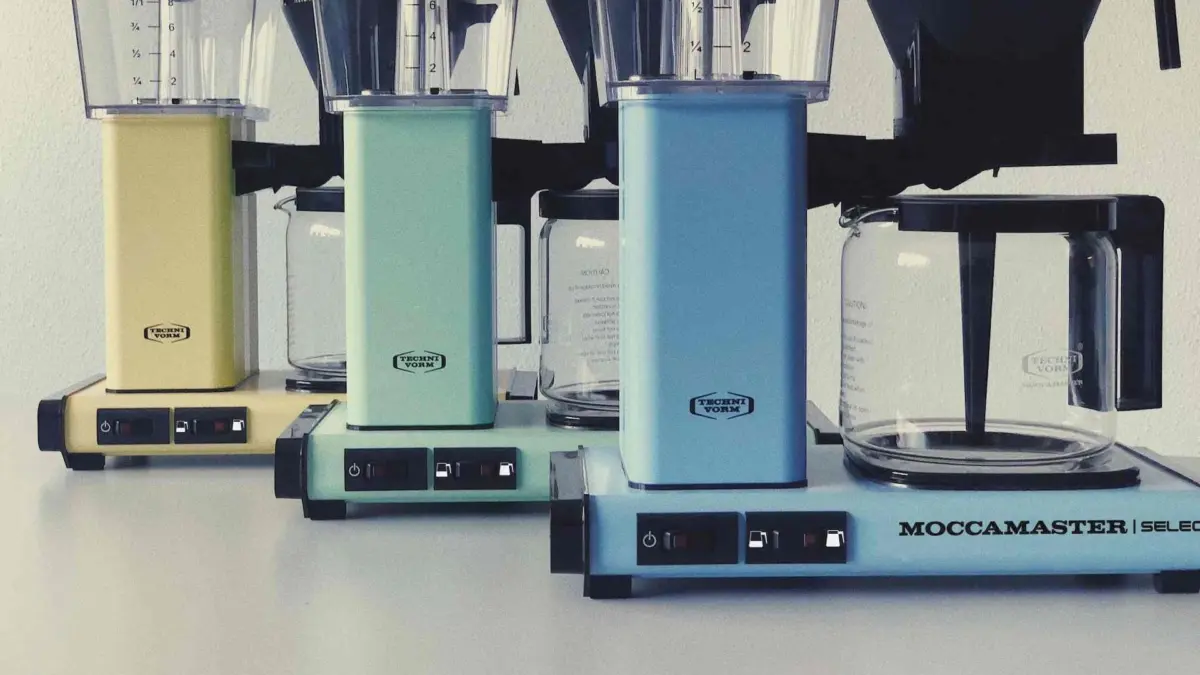
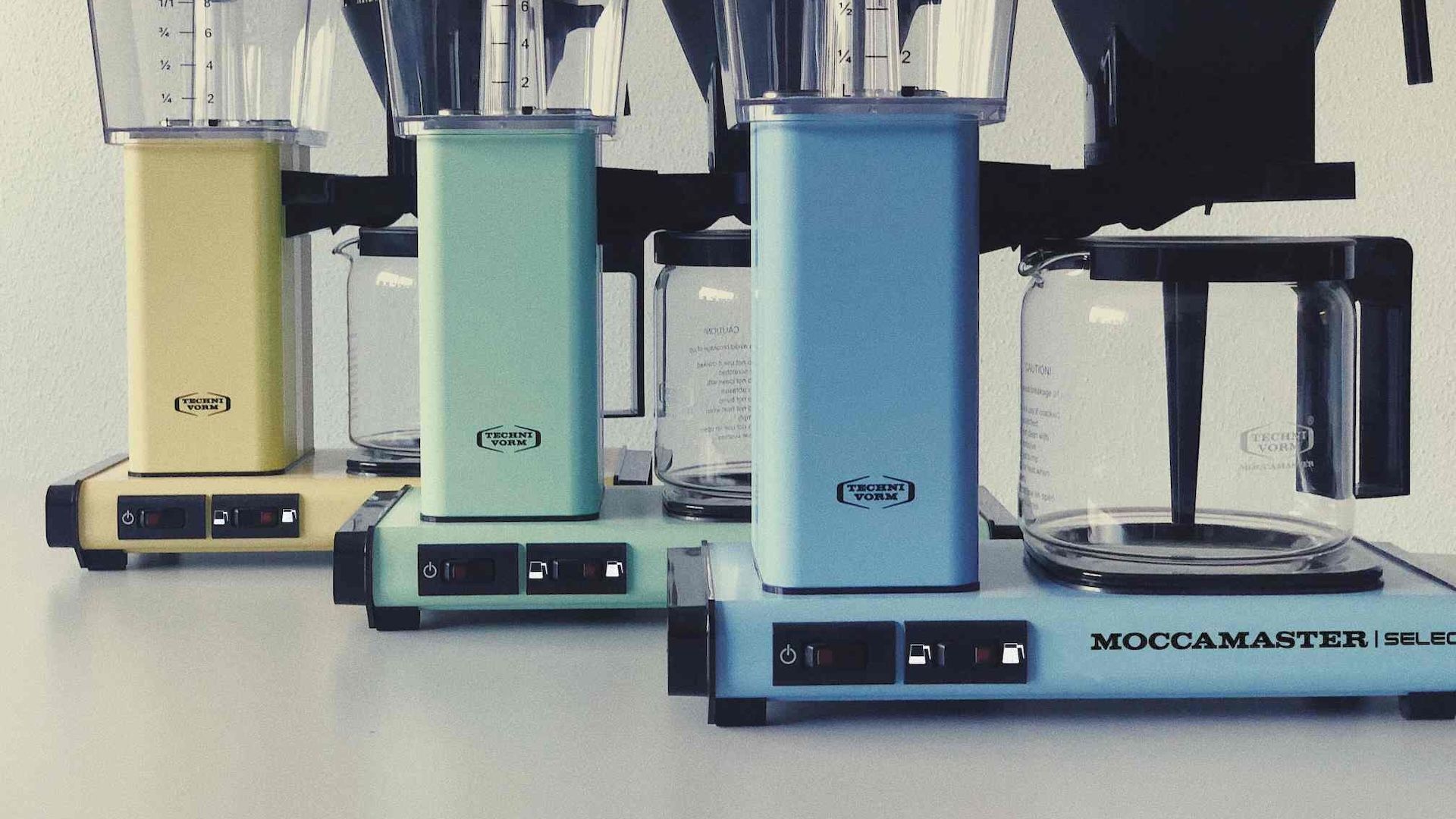
To mark this global celebration, the design world is turning its attention to a piece of hardware that has defined the intersection of form and function for half a century: the Technivorm Moccamaster KBG. While the coffee industry is often driven by the "next big thing"—from smart-connected espresso machines to vacuum-sealed extraction chambers—the Moccamaster remains a steadfast icon of analog perfection. It is a product that has not only survived the shifting tides of kitchen aesthetics but has thrived by remaining largely unchanged since its inception.
The story of the Moccamaster is one of regional craftsmanship and a singular vision. Since 1968, these filter coffee machines and their accompanying grinders have been handmade by Technivorm in Amerongen, a picturesque town in the Netherlands. The factory, founded by industrial designer and engineer Gerard Clement Smit, was built on the philosophy that a product should be durable, reliable, and sustainable. In an era long before "right to repair" became a legislative talking point, Smit was designing machines that were intended to last a lifetime, utilizing high-quality, recyclable materials and a modular construction that allowed for easy servicing.
The lineage of the current flagship model, the KBG, traces back to 1974. Upon its introduction, the machine represented a radical departure from the flimsy, plastic drip brewers that were beginning to dominate the mid-century market. The KBG was substantial, featuring a distinctive architectural silhouette and a commitment to thermal precision that was previously reserved for commercial-grade equipment. Its launch was so successful and the subsequent demand so overwhelming that the Technivorm factory eventually made the strategic decision to narrow its focus almost exclusively to the production of Moccamaster brewers. This specialization allowed the company to refine its manufacturing process, ensuring that every unit leaving the Amerongen facility met the exacting standards of its founder.
What makes the Moccamaster the "Rolls-Royce" of coffee makers is not merely its longevity, but its unwavering commitment to the science of extraction. While many modern consumers are drawn to the machine for its retro-cool aesthetic, its reputation among professional baristas is rooted in its internal components. At the heart of the machine is a heavy-duty copper boiling element. This is a critical distinction from the cheaper aluminum heating elements found in most household brewers. The copper element ensures that the water reaches the precise temperature required for optimal extraction—between 92°C and 96°C (198°F – 205°F)—and maintains that temperature throughout the entire brewing cycle.
This technical precision is what allows the Moccamaster to consistently meet the "Golden Cup" standard set by the Specialty Coffee Association (SCA). If the water is too cold, the coffee is under-extracted and sour; if it is too hot, it becomes over-extracted and bitter. By mastering this narrow window of thermal stability, the Moccamaster elevated home-brewed filter coffee from a caffeine delivery system to a gourmet experience.
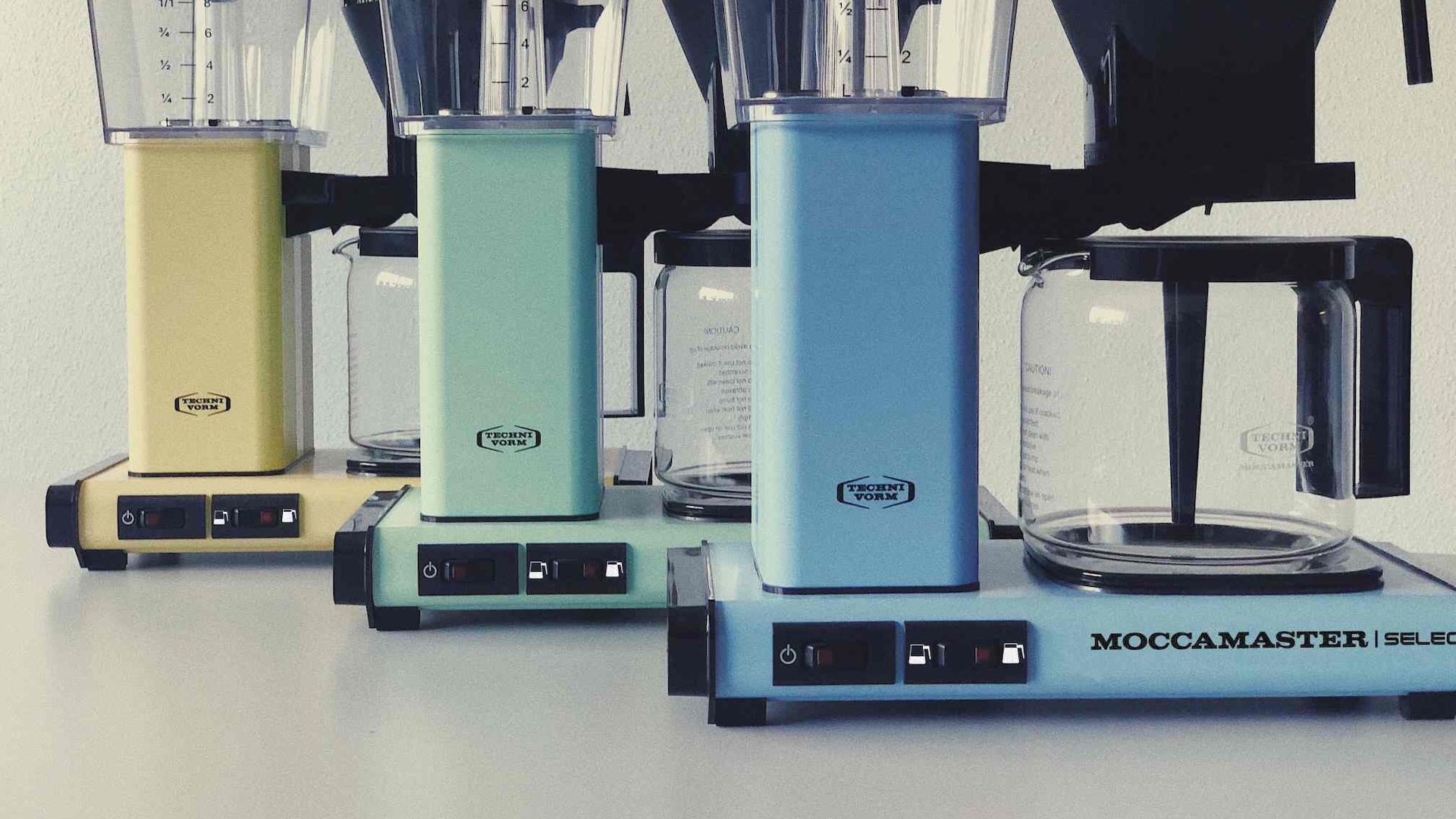
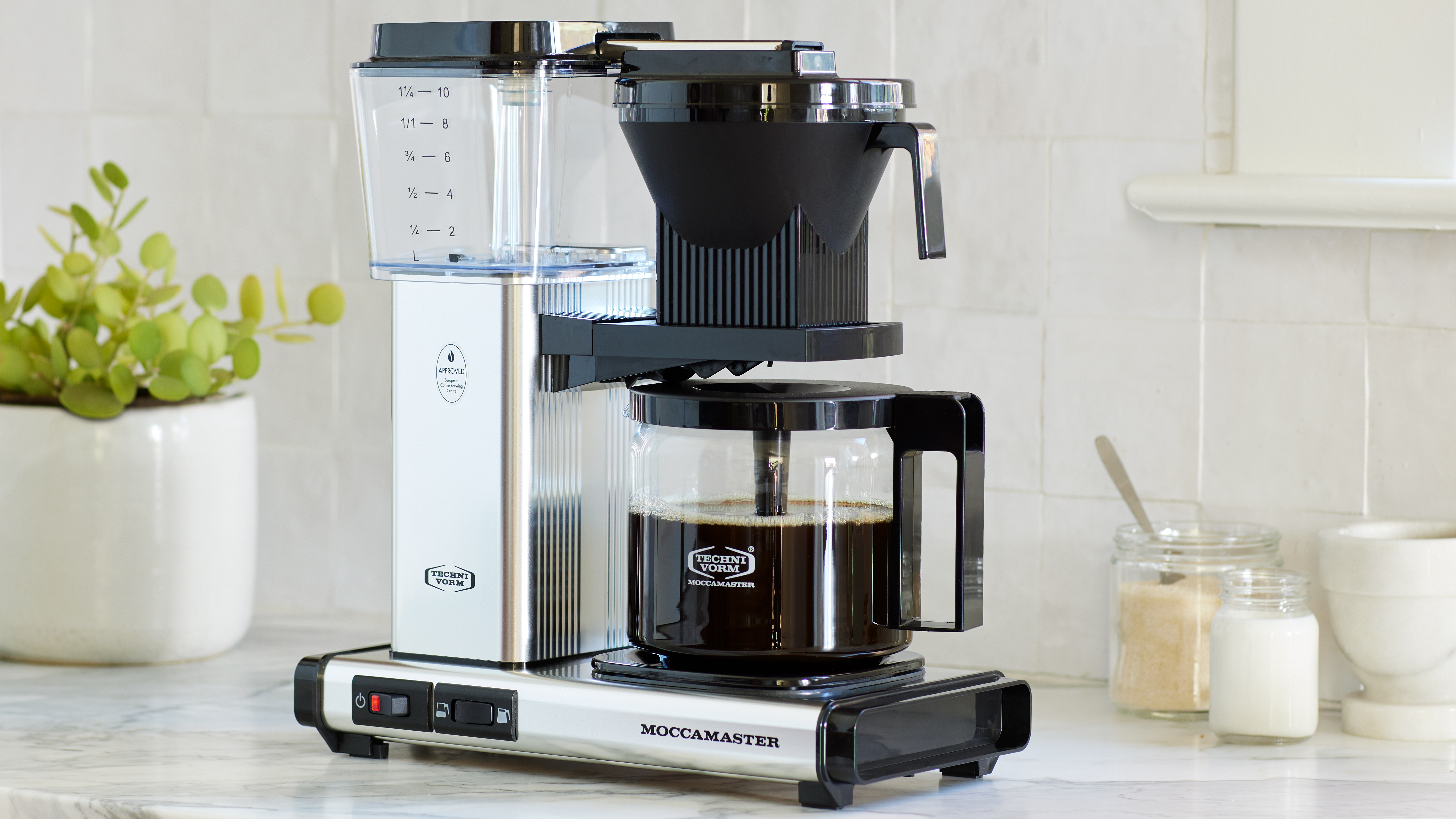
Beyond the internal mechanics, the physical design of the Moccamaster KBG has become a shorthand for "good taste" in the literal and figurative sense. It is one of the rare kitchen appliances that feels truly timeless. Whether placed in a 1970s kitchen with wood-paneled walls, a 1990s minimalist space, or a contemporary high-tech home, the Moccamaster looks entirely at home. Its industrial, modular look—characterized by the clear water reservoir, the vertical column, and the iconic rectangular base—shuns the trend of "planned obsolescence" that plagues modern consumer electronics. There are no touchscreens to fail, no proprietary software to become outdated, and no fragile plastic hinges designed to break after a year of use.
For many users, the machine becomes a long-term companion. Those who invested in a Moccamaster in 2020, during the height of the global shift toward home-based work and elevated domestic rituals, have found it to be an indispensable part of their morning routine. It represents a "slow coffee" movement that prioritizes quality over the instant gratification of pod-based systems. There is a tactile satisfaction in the process: folding the paper filter, measuring the freshly ground beans, and watching the water pulse through the 9-hole glass outlet arm, which mimics the manual "pour-over" technique by evenly saturating the coffee grounds.
The machine’s status as a design classic is further cemented by its presence in the homes of cultural tastemakers. While it is a staple of design studios and architect offices, it has also gained a following among celebrities who prioritize wellness and high-end lifestyle products. Most notably, Gwyneth Paltrow, the founder of the lifestyle brand Goop, has frequently cited the Technivorm Moccamaster as her preferred method of brewing. According to reports from Homes & Gardens, Paltrow swears by the machine, placing it among the curated selection of products that meet her brand’s rigorous standards for both aesthetics and performance. When a product earns the endorsement of both professional coffee critics and high-profile lifestyle influencers, it speaks to a universal appeal that transcends market segments.
In recent years, Technivorm has introduced subtle iterations to keep the classic design relevant for modern needs without compromising its soul. The Moccamaster KBG Select, for instance, includes a toggle switch that allows users to optimize the brewing process for either a full carafe or a half carafe. This adjustment alters the water flow and hotplate temperature to ensure that even a smaller batch of coffee maintains the same depth of flavor and heat as a full pot. It is a thoughtful, engineering-led solution to a common problem in drip brewing, implemented with the same mechanical simplicity that defines the rest of the machine.
The commitment to sustainability is perhaps the most modern aspect of this fifty-year-old design. In a world increasingly concerned with the environmental impact of "e-waste," the Moccamaster stands as a rebuttal to the throwaway culture. Every part of the machine, from the carafe lid to the internal switches, is replaceable. Technivorm continues to supply parts for machines that are decades old, ensuring that a Moccamaster need never see a landfill. The body is constructed from high-quality aluminum, and the plastics used are BPA, BPS, BPF, and phthalate-free, reflecting a level of material integrity that is rare in contemporary appliance manufacturing.
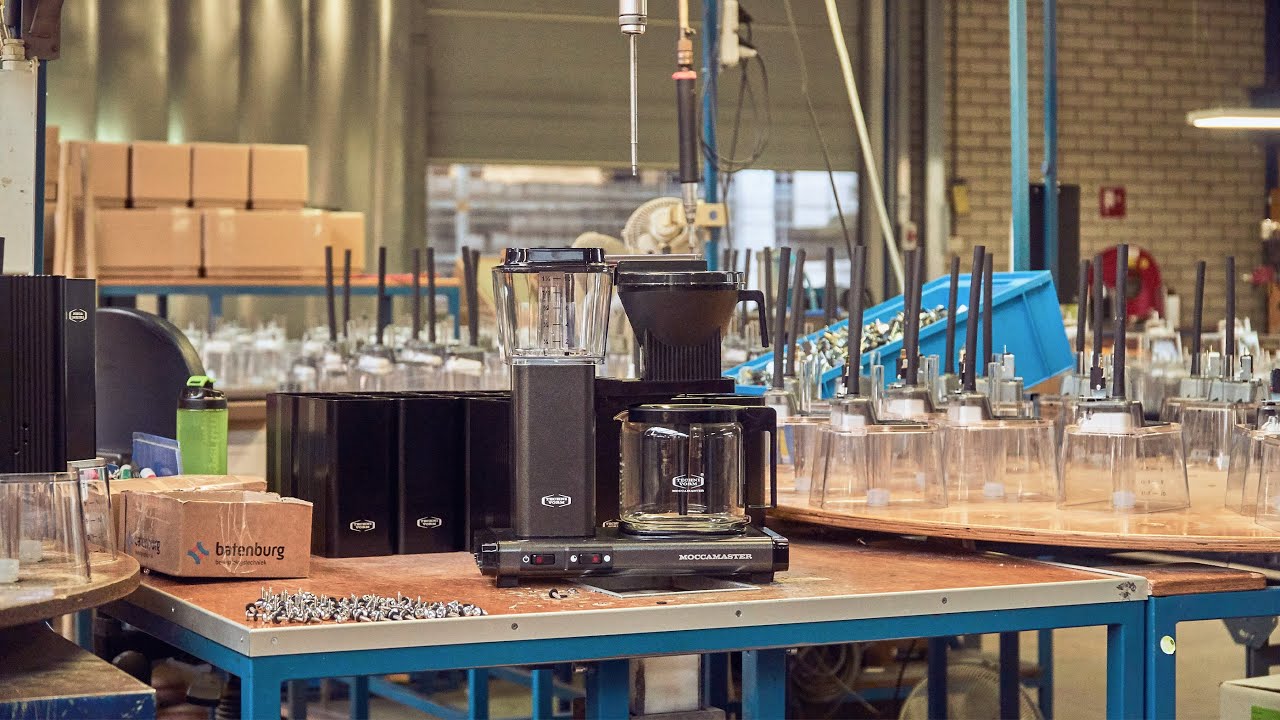
For those looking to join the ranks of Moccamaster owners on this International Coffee Day, the entry price reflects its handcrafted European origin and "buy-it-for-life" durability. The Moccamaster KBG Select is currently positioned as a premium investment, retailing for approximately $369 in the United States via major retailers like Amazon. In the United Kingdom, the machine maintains a similar premium status, typically priced around £269. While the initial cost is significantly higher than a standard supermarket coffee maker, the value proposition lies in its longevity and the quality of the daily output.
As we celebrate International Coffee Day and the start of a new coffee year, the Technivorm Moccamaster serves as a reminder that truly great design does not need to shout to be heard. It does not require flashy features or seasonal redesigns. Instead, it relies on the quiet confidence of superior engineering and a silhouette that remains as striking today as it was in 1974. For the design-conscious coffee lover, it remains the ultimate marriage of Dutch pragmatism and sensory delight—a machine that doesn’t just make a cup of coffee, but honors the entire journey of the bean from the farm to the morning mug.