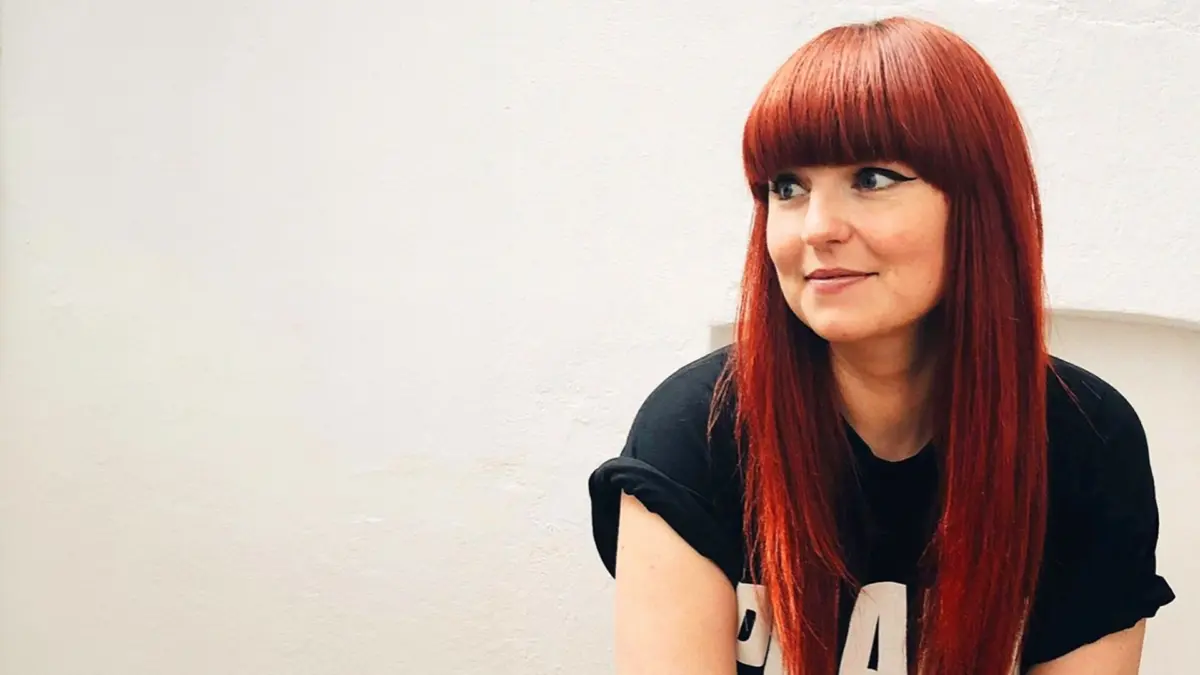
In the fast-paced world of global brand strategy, where the visual landscape is often dominated by polished minimalism and data-driven precision, Chloë Templeman stands as a champion for a more visceral, human-centric approach. As the Executive Creative Director at Pearlfisher, a renowned design agency that prides itself on creating "irresistible human connection," Templeman occupies a pivotal role in shaping how consumers interact with some of the world’s most recognizable names.
Originally hailing from Scotland, Templeman has spent nearly two decades at the heart of London’s competitive design scene. With 17 years of experience navigating the city’s top-tier agencies, her portfolio includes transformative work for heritage brands and multinational giants alike, ranging from the refined elegance of Fortnum & Mason to the expansive portfolios of Diageo and Unilever. Beyond her creative output, Templeman has established herself as a vital voice in the industry’s ongoing evolution, serving as a long-standing mentor dedicated to fostering the next generation of talent and advocating for a more equitable representation of women in creative leadership.
In a wide-ranging discussion as part of the "5 Questions" series, Templeman reflects on the shifting aesthetics of modern design, the psychological hurdles of professional growth, and why the creative mind never truly finds a "power off" switch.
The Allure of the Imperfect: Embracing Anti-Design
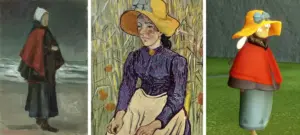
In an era where digital tools allow for surgical precision in layout and typography, there is a growing counter-movement that rejects the "clean" aesthetic in favor of something far more chaotic. When asked about the design trends or "ugly" objects she secretly admires, Templeman points toward the deliberate "so bad it’s good" movement—a style often categorized as "anti-design."
"I’m increasingly drawn to the deliberate ‘so bad it’s good’ design trend," Templeman explains. "I am seeing a resurgence of anti-design, clumsy typography, clashing color palettes, bad font choices, and layouts that break every traditional rule until they somehow right themselves again."
This aesthetic is more than just a rejection of modern standards; for Templeman, it is a deeply nostalgic journey. It evokes the early days of digital experimentation, characterized by the lo-fi graphics and "cringeworthy" clip art of the 1990s. For a generation that grew up "blindly tinkering on MS Paint" at the age of ten, these visual cues carry a unique emotional weight.
However, Templeman notes that executing "intentional chaos" is significantly more difficult than it appears. To push a design until it loops back from "objectively bad" to "iconic" requires a masterful understanding of the rules being broken. "There’s a real charm in this intentional chaos that makes me smile," she says. "By pushing objectively bad design until it loops back to being iconic, it injects a much-needed playfulness into the landscape. It requires a masterful touch, and the right context and application to communicate the intended message. But when done well, it’s the ultimate nostalgic guilty pleasure."
Navigating the Psychological Toll of Leadership
Despite her high-profile successes, Templeman is candid about the internal challenges that accompany a rise through the professional ranks. Imposter syndrome—the persistent inability to believe that one’s success is deserved or has been legitimately achieved—is a common hurdle in the creative industries, particularly for women.
For Templeman, the peak of this self-doubt arrived exactly when she achieved one of her primary career goals: the promotion to Creative Director. "It was a role I’d always wanted, and worked so hard to get to," she recalls. "But once I got there, I looked at the other directors around me, many who used to be my boss, and felt like I didn’t quite measure up to their brilliance. I didn’t operate the same way they did, and I was secretly convinced I shouldn’t be in the role."
The breakthrough came not through a sudden change in her personality, but through a tangible professional victory. After leading a major pitch and securing the win, Templeman realized that her deviation from the "standard" leadership style was actually her greatest asset. The industry, she argues, does not require a monolithic type of leader; rather, it thrives on a diverse mix of perspectives and temperaments.
"It made me realize that it was actually a good thing I wasn’t exactly like them, because my approach was working," she says. "There is no single right way to be a creative director. In fact, you need that diverse mix of personalities and perspectives in the room to build a fully rounded team. Once I accepted that just being myself was enough, I was finally able to drop the self-doubt and get on with doing the work… my way."

The AI Dilemma: Why Algorithms Can’t Replace Intuition
As artificial intelligence continues to permeate every facet of the creative process, the debate over its role in design has become increasingly polarized. While many agencies have embraced AI for its efficiency in generating mood boards or automating repetitive tasks, Templeman identifies a specific application that she views as a significant "creative pet peeve": using AI to provide feedback on creative work.
The danger, according to Templeman, lies in the fact that a machine lacks the capacity for context, empathy, and problem-solving. "It’s a slippery slope because a bot doesn’t know the brief, the context, or the actual problem you’re trying to solve," she warns. "Worse, it takes the power out of people’s hands and completely ignores their own gut feeling and experience."
Because AI models are trained on existing datasets, they are inherently retrospective. They can identify what has worked in the past, but they are fundamentally incapable of predicting or creating the "brave" and "disruptive" designs that define the future. For Templeman, relying on an algorithm for creative judgment is a recipe for mediocrity.
"If we’re trying to push the status quo and do something genuinely brave, asking an algorithm for its opinion is the quickest way to kill that momentum and play it safe," she argues. She encourages clients and collaborators to trust their own instincts and engage in human dialogue rather than outsourcing their decision-making to a black box. "It’s absolutely fine to use AI to sharpen or condense opinions you’ve already formed, but the moment you hand over your decision-making power to an algorithm, the work suffers. If we want to create truly great, disruptive design, the human perspective has to lead."
Creativity as a 24/7 Lifestyle
One of the most persistent misconceptions about the design industry is that it follows the standard temporal boundaries of a corporate job. For Templeman, the role of an Executive Creative Director is not something that can be neatly contained within a 9-to-5 window.
"You don’t just shut your laptop and switch your brain off at 5:30 PM like other jobs," she explains. "Creativity isn’t a job you clock out of; it’s a lifestyle."
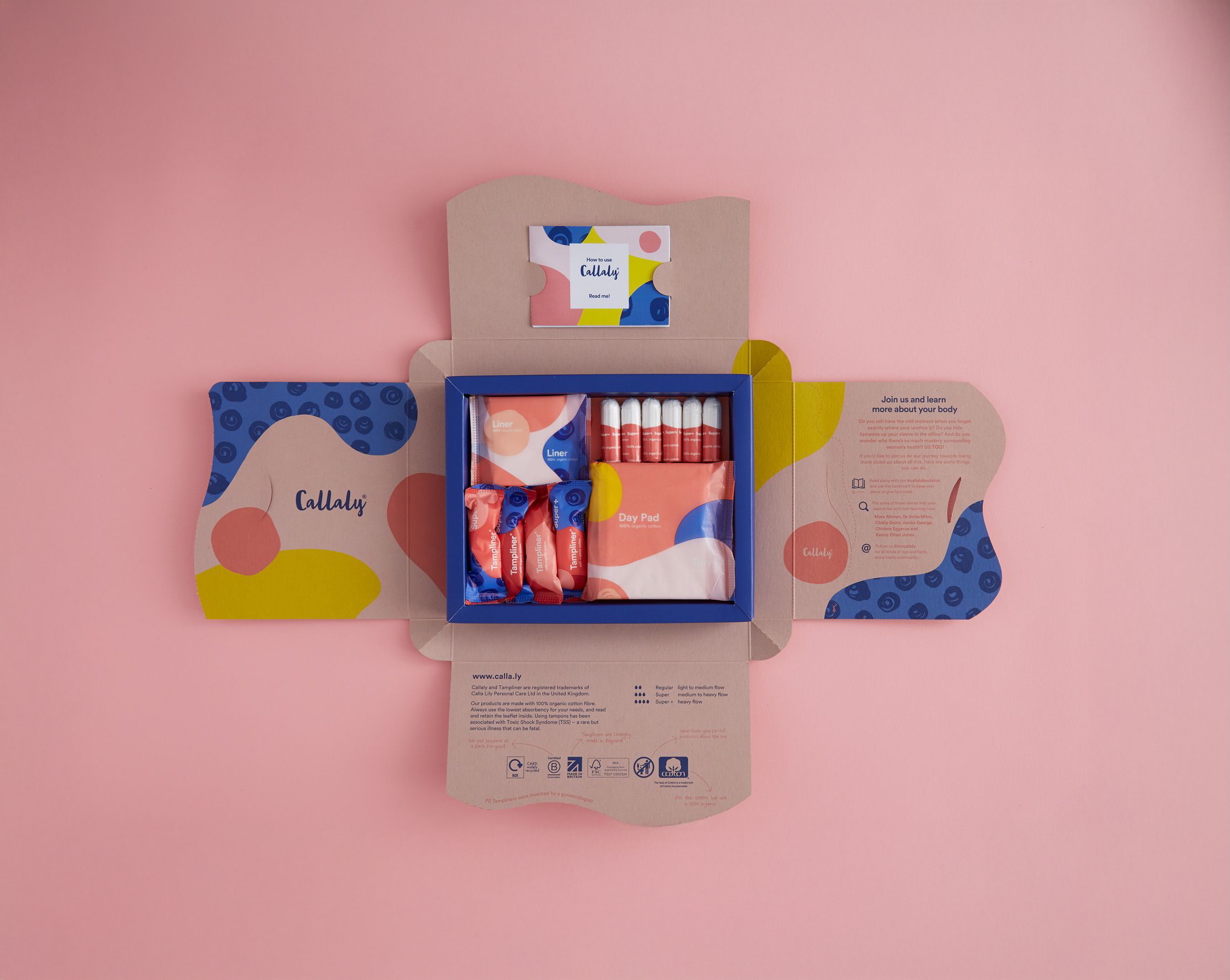
This "always-on" nature of the creative mind is both a challenge and a source of profound fulfillment. Templeman describes seeing the world through a "completely different lens," where inspiration is pulled from the most unexpected sources—be it a pattern in the street, a conversation overheard in a cafe, or a piece of music. This constant state of observation and processing is what fuels the energy she brings to her projects at Pearlfisher.
"That drive is inherently wired into me, and I genuinely couldn’t turn it off even if I tried," she says. "I see the world through a completely different lens; my eyes and ears are constantly open and pulling inspiration from the most unexpected places 24/7, always thinking. I honestly love it and couldn’t see myself ever not doing it. It’s a deep-rooted passion, and I like to think that energy translates directly into the work."
A Legacy Defined by ‘Gaisgeil’
When reflecting on how she wishes to be remembered, Templeman returns to her Scottish roots, choosing a word that encapsulates her professional philosophy and her personal drive. That word is Gaisgeil.
A term from Scottish Gaelic, Gaisgeil (pronounced approximately as gash-gale) carries a weight that simple English translations often fail to capture. It describes someone who is not only brave and courageous but also fiercely capable and determined. It suggests a person who pursues their goals with an unwavering passion and a sense of heroic resolve.
"It is a deeply empowering word that roughly translates to someone who is brave and fiercely capable," Templeman notes. "Embodying an unwavering determination to achieve a goal and does so with passion."
In an industry that often demands a balance between artistic vulnerability and corporate grit, Gaisgeil serves as a fitting descriptor for Templeman’s career. From her early days in Scotland to her current leadership at one of London’s most influential agencies, her journey has been defined by a willingness to challenge the status quo—whether by embracing "ugly" design, conquering personal doubt, or holding the line against the encroachment of algorithmic feedback. For Chloë Templeman, the future of design remains, as it always has been, a profoundly human endeavor.