Tokyo’s reputation as a global culinary capital is built upon the foundation of shokunin—craftspeople who dedicate their entire lives to the mastery of a single skill. In the kitchens of this sprawling metropolis, this obsession manifests in the pursuit of perfection: the exact second a piece of tempura reaches its peak crispness, the precise temperature of sushi rice to complement the oils of the fish, or the ideal depth of flavor in a bowl of ramen broth. This long-term commitment to detail has created a unique continuity within the city’s dining scene. While Tokyo is a center for cutting-edge innovation, many of its most revered establishments still serve the same staples—sushi, unagi, soba, and sukiyaki—that defined the city during the Edo period.
Navigating this massive dining metropolis can be daunting for visitors, especially given the city’s penchant for hidden, exclusive spots that require personal introductions. However, Tokyo offers a wealth of accessible, world-class experiences for those who know where to look. This curated guide, updated for October 2026, features recommendations from Yukari Sakamoto, a graduate of the French Culinary Institute, a certified sommelier, and a shochu advisor. Sakamoto, the author of Food Sake Tokyo, brings a local expert’s perspective to the city’s ever-evolving food scene, from historic "shinise" (centenarian) shops to modern Michelin-starred innovators.

The October 2026 update introduces several notable shifts in the landscape. These include the arrival of a new head chef at the world-renowned Sézanne, the opening of an elevated tea experience at Chokeikyo in Daikanyama, and the expansion of the city’s artisanal pizza offerings. Whether seeking a quick $10 meal or a multi-course $$$$ investment, the following 38 destinations represent the pinnacle of Tokyo’s gastronomic diversity.
Koffee Mameya Kakeru
Located in a spacious warehouse-style setting, Koffee Mameya Kakeru is the sophisticated sister shop to the original boutique in Omotesando. This destination treats coffee with the same reverence usually reserved for fine wine or high-end cocktails. The cafe specializes in coffee flights that explore the various expressions of a single bean, moving through pour-overs, espressos, and milk-based lattes to complex mocktails. The interior is minimalist and sleek, featuring a U-shaped limestone counter and staff who wear white lab coats and bowties, reinforcing the "laboratory" feel of the service. In the evenings, the menu expands to include spiked coffee cocktails. Due to its popularity, reservations are required.

Tanikoretani
In the Kiyosumi Shirakawa neighborhood, Tanikoretani offers a modern take on the traditional izakaya. Founded by Shinji Mizutani, a former architect based in New York City, and his brother Tomoji, the restaurant reflects a "hipster" sensibility with a deep focus on seasonal produce. While classic sake-friendly plates like karaage (fried chicken) and potato salad are available, the vegetables are the true stars. Standout dishes include mizu nasu (eggplant) sashimi, mountain vegetable tempura, and a unique "wafu" (Japanese-style) ratatouille. For the best experience, diners are encouraged to opt for the omakase menu, allowing the brothers to showcase the best ingredients of the day.
Yamariki

Yamariki is a "shinise" restaurant in Morishita with a history stretching back over a century. It is most famous for its nikomi (offal stew), which is widely considered one of the three best versions in Tokyo. The stew is a complex, slow-simmered blend of Hatcho miso, zarame sugar, red wine, and a traditional bouquet garni. Beyond the stew, the menu features a vibrant array of vegetable dishes, including tsukemono pickles and a hearty salad with anchovy dressing. Yamariki is also a destination for yakiton (grilled pork skewers), serving specialized cuts like heart, stomach, and skirt steak. While sake and shochu are staples, the restaurant maintains a curated wine list designed to pair specifically with its rich, savory cuisine.
Tsukishima Monja Street
For a more interactive and local experience, Tsukishima Monja Street is home to dozens of shops dedicated to monjayaki. A liquid-based relative of Osaka’s okonomiyaki, monja is a communal dish cooked by the diners themselves on a large iron griddle built into the table. Common fillings include mentaiko (spicy pollack roe), mochi, and cheese. The goal is to spread the batter thin until it becomes crispy on the bottom, a process facilitated by tiny metal spatulas. The street is particularly festive at night when it becomes a pedestrian-only zone, filled with the aroma of grilled batter and the sound of clinking beer mugs.

Taimeiken
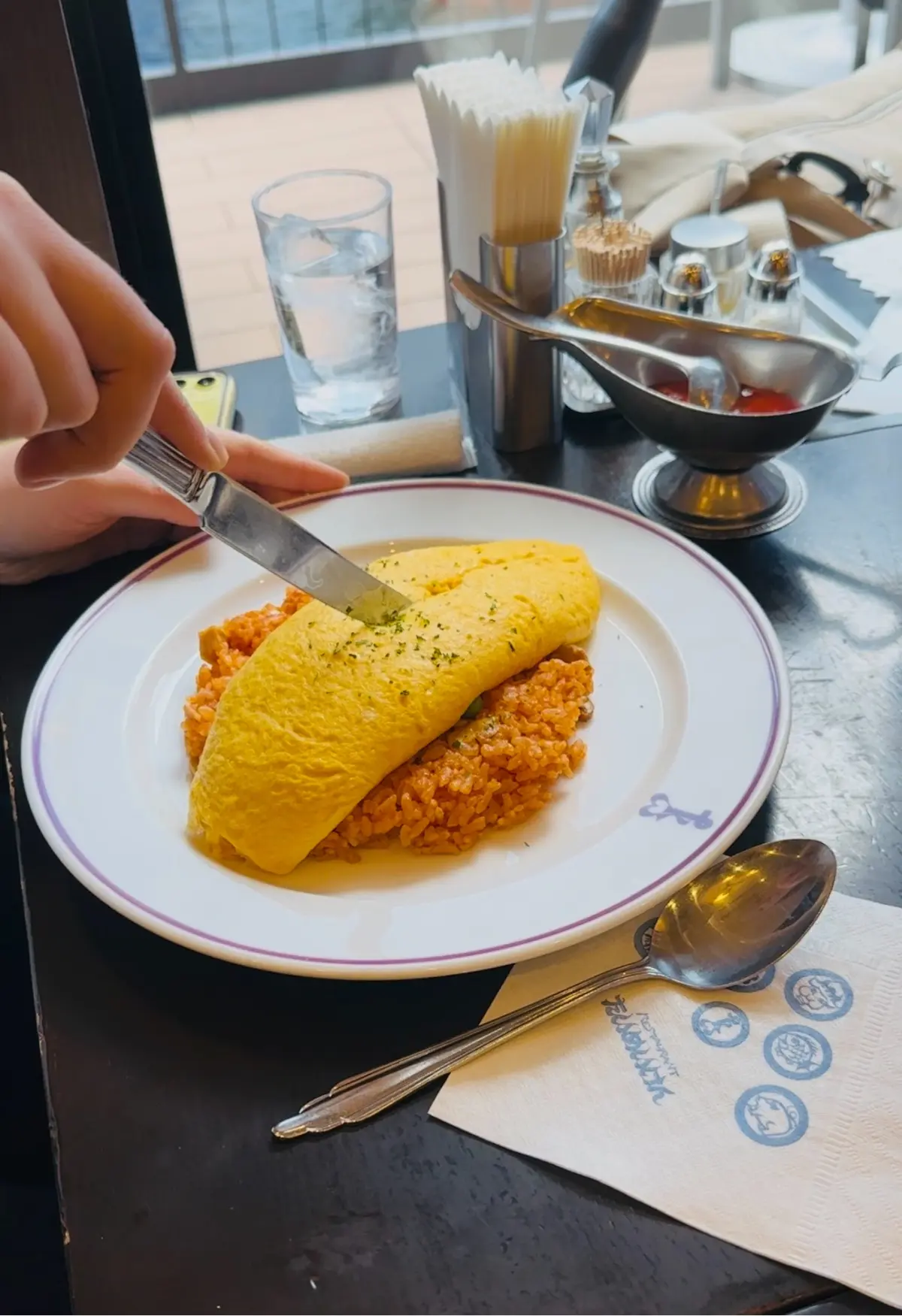
Located in the historic Nihonbashi district, Taimeiken is a landmark of "yoshoku"—Western-style dishes adapted for the Japanese palate. The restaurant gained cinematic fame through Juzo Itami’s film Tampopo, which featured a specific version of omurice: a soft, creamy omelet sliced open over a mound of ketchup-flavored fried rice. Today, third-generation chef Hiroshi Modegi continues this legacy. The first floor of the restaurant is a casual, walk-in-only space where diners can order small portions of borscht and coleslaw for a nominal fee, while the second floor offers a more formal, reservation-based dining experience.
Yamamoto Noriten

Yamamoto Noriten has been a specialist in nori (dried seaweed) since 1849. While it remains a premier retail shop, it has recently embraced the modern handroll trend by opening a dedicated temaki counter. Curated by Iron Chef Kimio Nonaga, the counter serves DIY handrolls featuring premium fillings like soy-marinated egg yolk, grilled eel, caviar, and tuna sashimi. A unique touch is the inclusion of a small brick of roasting charcoal in a wooden box, which keeps the nori warm and crisp until the moment it is consumed.
Il Ristorante – Niko Romito
Perched on the 40th floor of the Bvlgari Hotel Tokyo, this restaurant is a temple to contemporary Italian haute cuisine. Chef Mauro Aloisio emphasizes seasonal Japanese seafood, such as smoked longtooth grouper or amberjack sashimi, alongside Italian techniques. The dining room, characterized by carnelian orange tones and a vaulted ceiling, offers a dramatic setting for dishes like braised wagyu beef tongue. Because it is located within a luxury hotel, it is a reliable high-end option during national holidays when many independent restaurants are closed. For a more casual visit, the Bulgari Bar on the 45th floor serves artisanal pizza.

Sézanne
Recently under the leadership of Chef Steve Lancaster, Sézanne continues to be one of Tokyo’s most prestigious dining rooms. Lancaster brings experience from Singapore’s Michelin-starred Poise, where he spent years working with Japanese seafood. His French-leaning menu at the Four Seasons Hotel Tokyo at Marunouchi incorporates Japanese pantry staples like koji, mirin, and soy sauce. The meal is noted for its exceptional seafood—including uni, scallops, and monkfish liver—and a sophisticated beverage program that pairs fine wines with unique kijoshu (sweet) sakes.
Ekibenya Matsuri

Located inside the bustling Tokyo Station, Ekibenya Matsuri celebrates the Japanese tradition of the "ekiben"—the station bento box. The shop stocks approximately 170 different types of regional bentos from across the country. It offers a rare opportunity to sample regional flavors, such as Hokkaido seafood or Sendai beef tongue, without leaving the city. Some boxes even include a self-heating pull-string mechanism to ensure a hot meal during a shinkansen journey. The shop opens at 5:30 a.m., catering to travelers on the earliest trains.
Shabusen
Shabusen offers high-quality sukiyaki and shabu-shabu in a format that feels more like a casual diner than a formal banquet hall. Seated at a counter, each guest is provided with an individual hot pot to cook thinly sliced wagyu beef or pork and seasonal vegetables. The experience is defined by the quality of the meat and the house-made dipping sauces, including a rich sesame dressing and tart ponzu. The restaurant is also notable for its use of "mingei" (folk craft) tableware, adding a layer of traditional Japanese aesthetics to the meal.

Torigin Honten
Hidden in a narrow alley in Ginza, Torigin Honten is a specialist in two things: yakitori and kamameshi. The latter is a traditional dish of rice cooked with various ingredients—such as bamboo shoots, salmon, or mountain vegetables—in a personal iron pot. Their chicken skewers are grilled over Kishu bincho charcoal, providing a subtle smokiness that complements the savory rice pots. Despite its prime location, it maintains a classic, unpretentious atmosphere.
Est

At the Four Seasons Hotel Tokyo at Otemachi, Chef Guillaume Bracaval executes a contemporary French menu with a remarkable 95 percent of ingredients sourced locally from Japan. The Michelin-starred restaurant is particularly well-regarded for its vegetable-focused tasting menus, which serve as a masterclass in Japanese produce. Highlights include monkfish with house-made yuzu kosho and desserts by Michele Abbatemarco that utilize artisanal honeys from different Japanese prefectures. The wine list is a great resource for those looking to explore Japanese viticulture, featuring grapes like Koshu and Muscat Bailey A.
Kagari Ramen
Kagari has gained a cult following for its tori paitan, a creamy, white chicken broth that is as rich as a thick soup. Unlike many ramen shops that use heavy pork fats, Kagari’s broth is refined and elegant, topped with a rotating selection of colorful seasonal vegetables like snap peas and kabocha squash. Diners can customize their bowls with side servings of fried garlic and grated ginger. While the Ginza main branch often sees long queues, the sister location in Roppongi Hills is a more accessible alternative.

Bar Meijiu
Bar Meijiu is a sanctuary where jazz music and mixology overlap. Bartender Keisuke Matsumoto operates an "alchemist’s booth" where he creates bespoke cocktails based on the mood and flavor preferences of his guests. Whether a customer desires something sparkling and fruity or a caffeinated drink made with house-roasted beans, Matsumoto crafts it while spinning records from his extensive jazz collection. The bar is equally respected for its thoughtful non-alcoholic beverage program.
Azabudai Hills

The Azabudai Hills complex, which opened in 2023, has quickly become one of the city’s most significant food hubs. It houses over 100 food shops and restaurants, ranging from the casual to the elite. Notable residents include a second location of the nearly impossible-to-book Sushi Saito and the two-Michelin-starred Florilège. For more casual visits, the complex offers Shogun Burger’s wagyu patties, Pelican Café’s famous ham katsu sandwiches, and Arabica Kyoto’s expertly pulled espresso.
Tenko
Tucked away in the geisha district of Kagurazaka, Tenko is located in a former geisha teahouse, providing an atmospheric backdrop for traditional Edomae tempura. Second-generation chef Hitoshi Arai specializes in a "lacy" batter that is exceptionally light. He serves each piece of seafood or vegetable immediately after it leaves the hot oil. To fully appreciate the quality of the frying, guests are encouraged to use salt rather than dipping sauce for at least part of the meal.

Ishikawa
Also in Kagurazaka, Ishikawa is a three-Michelin-starred destination for kaiseki. Chef Hideki Ishikawa is known for his impeccable sourcing and his deep knowledge of Japanese tableware. The experience here is a slow, multi-course journey through the seasons. The service, led by a team trained in traditional hospitality, ensures that the formal atmosphere remains warm and welcoming.
Sumibiyakiniku Nakahara

Kentaro Nakahara has elevated yakiniku (Japanese BBQ) to a fine-dining experience. Sourcing the highest grades of wagyu, he serves a seven-item tasting menu that includes specialized cuts rarely found elsewhere. He is particularly famous for his "legendary" grilled tongue, which must be reserved in advance. The restaurant is sleek and features advanced ventilation, ensuring a chic, smoke-free environment that contrasts with more traditional, rugged yakiniku joints.
Kikunoi Akasaka
Kikunoi is one of Kyoto’s most famous names in kaiseki, and its Akasaka branch brings that heritage to the capital. To maintain the integrity of his dashi (soup stock), Chef Yoshihiro Murata famously ships water from Kyoto to Tokyo, as the local Tokyo water is too hard for his specific recipes. The restaurant is a secluded retreat that feels miles away from the city’s bustle, offering a more affordable lunch menu that serves as an excellent introduction to high-level kaiseki.

Toraya
Toraya is a historic confectioner that has served the Imperial court for centuries. Its flagship in Akasaka, designed by architect Hiroshi Naito, is a modern architectural marvel housing a shop, a cafe, and a wagashi museum. The menu changes monthly to reflect the exact micro-season, featuring items like matcha-topped kakigori (shaved ice) in the summer. The basement gallery often hosts exhibitions on the history of Japanese sweets.
Sougo

Chef Daisuke Nomura provides a modern interpretation of shojin ryori, the vegetarian cuisine of Buddhist monks. Located in Roppongi, Sougo appeals to a global audience with dishes that utilize wheat gluten (fu), soy milk skin (yuba), and a wide variety of sea vegetables. The signature dish is a fried or grilled sesame tofu that achieves a remarkably silky texture. For those interested in the craft, the restaurant also hosts a cooking school called Tokyo Cook.
Bricolage Bread & Co.
Bricolage is the result of a collaboration between three culinary heavyweights: Chef Shinobu Namae of the three-starred L’Effervescence, baker Ayumu Iwanaga, and the team behind Fuglen coffee. The result is an artisanal bakery and cafe in Roppongi that serves exceptional sourdough, pastries, and open-faced sandwiches. It is one of the few places in central Tokyo with significant outdoor seating, making it a popular spot for a relaxed, high-quality breakfast or lunch.

Sushi Yuu
Located in a residential area near Roppongi, Sushi Yuu is led by the charismatic Daisuke Shimazaki. While many high-end sushi shops can feel intimidating, Shimazaki is known for his multilingual service and his ability to put guests at ease. He is particularly renowned for his tuna, sourced from one of the most prestigious vendors at Toyosu Market. The meal follows a traditional Edomae progression, beginning with cooked appetizers before moving into nigiri.
Eureka

Eureka is a dedicated sake bar led by sommelier Marie Chiba. The bar is a destination for those looking to explore the cutting edge of sake production, featuring labels like Aramasa and Senkin. Chiba is known for her creative pairings and her technical skill in serving sake at various temperatures to highlight different flavor profiles. The menu includes unique snacks like a smoked egg with squid ink mayonnaise and blue cheese ham katsu.
Narisawa
Chef Yoshihiro Narisawa’s namesake restaurant is a pioneer of "Satoyama" cuisine, which focuses on the relationship between humans and nature. His two-Michelin-starred menu is famous for its avant-garde approach, including dishes like "soil soup" and Okinawan sea snake broth. Despite the experimental nature of the cooking, the focus remains on the purity of Japanese ingredients, executed with the precision of French haute cuisine.

Butagumi
Set in a traditional two-story house in Nishi-Azabu, Butagumi is a specialist in tonkatsu. The restaurant offers a "library" of pork, allowing diners to choose from dozens of heirloom breeds from across Japan. Each cutlet is breaded and deep-fried to a perfect golden brown, served with a mountain of shredded cabbage and a complex, house-made sauce. It is widely considered one of the city’s premier destinations for this comfort-food staple.
Julia

Chef Nao Motohashi is a rare female lead in Tokyo’s Michelin-recognized scene. At Julia, she and her husband Ken host guests in a converted house in Aoyama. The menu is vegetable-forward and highly seasonal, featuring innovative pairings like pickled tomatoes in rose sauce or cheesecake ice cream paired with warm sake. The restaurant is also noted for its sophisticated non-alcoholic pairing program, which includes house-made fruit and botanical infusions.
Yakitori Imai
Takashi Imai’s yakitori restaurant in Jingumae is a contemporary take on the traditional chicken skewer shop. The large, open kitchen allows every guest to watch the grilling process over the central charcoal pit. In addition to standard chicken cuts, Imai often serves premium items like French pigeon and an extensive list of seasonal grilled vegetables. The restaurant also features a substantial selection of natural wines.

Den
Chef Zaiyu Hasegawa has made Den one of the most famous restaurants in Asia by injecting humor and personality into the often-stiff world of kaiseki. While the techniques are rooted in tradition, the presentation is playful—most notably the "Dentucky Fried Chicken," a stuffed chicken wing served in a parody fast-food box. The service is highly personalized, with the team often adjusting dishes based on the guest’s preferences or history with the restaurant.
Pizza Marumo

Chef Yuki Motokura brings a Japanese sensibility to the world of pizza at Marumo. He describes his style as "Tokyo-style," characterized by a dough that has the charred, chewy texture of grilled mochi. The toppings often incorporate traditional Japanese umami sources, such as smoked skipjack tuna flakes, shiitake mushrooms, and soy-marinated tofu. It is a prime example of how Tokyo chefs can adopt a foreign dish and reinvent it with local DNA.
Tofu Shokudo
Tofu Shokudo is a "temple to soy" in Ebisu, serving house-made tofu in various forms. The menu includes set meals like spicy Korean-style soft tofu soup and a "tofu gozen" that features nine different soybean-based preparations. The space also features a takeaway window selling soy milk, fresh yuba, and doughnuts made from okara (tofu lees). It is a busy, cafeteria-style environment that highlights the versatility of one of Japan’s most important ingredients.

Tamawarai
Tamawarai is a destination for soba purists. The restaurant is involved in the cultivation of its own buckwheat, which is then stone-milled and hand-cut daily. The resulting noodles have a robust flavor and texture that sets them apart from mass-produced versions. Side dishes like creamy yuba and soba miso are prepared with equal attention to detail. The restaurant does not take reservations, and queues often exceed an hour.
Isetan Shinjuku

The "depachiku" (basement food hall) at Isetan Shinjuku is perhaps the most glamorous food destination in the city. It features an overwhelming array of gourmet products, from perfectly shaped expensive fruits to high-end bento boxes and international patisseries. It is an essential stop for any food lover, offering a glimpse into the sheer variety and quality of the Japanese food retail market.
L’ambre
Located near Shinjuku Station, L’ambre is a classic "kissaten" (traditional coffee shop) that has remained largely unchanged since 1950. With its red velvet seats and classical music, it offers a retro atmosphere for enjoying coffee jelly, melon soda floats, and pizza toast. It is a quiet sanctuary that provides a stark contrast to the neon-lit streets of Shinjuku outside.

Katsuo Shokudo
This basement eatery is dedicated entirely to "katsuobushi"—smoked and dried skipjack tuna. Owner Mai Nagamatsu shaves the hard filets into paper-thin, umami-rich flakes right in front of the diners, serving them over high-quality rice. The simplicity of the meal highlights the importance of katsuobushi as the backbone of Japanese flavor. Due to its small size and popularity, reservations are essential.
Tea Bar Chokeikyo

A new addition for late 2026, Chokeikyo by Sakurai in Daikanyama offers a serene and elevated tea experience. The service includes multiple steepings of gyokuro tea and innovative preparations like matcha whisked with freshly ground spices. In the afternoons and evenings, the space transitions into a tea cocktail bar, serving unique drinks like white tea shiso gin fizzes.
Udatsu Sushi
Udatsu Sushi in Nakameguro is notable for its ability to provide a high-end sushi experience for vegetarians, a rarity in the Edomae tradition. Chef Hisashi Udatsu uses kombu dashi and various cooking techniques to bring umami to vegetable nigiri. For seafood eaters, the restaurant offers creative touches like uni served over fried nori. The vegetarian course requires 48 hours’ notice for preparation.

The Peak Lounge and Bar
Located on the 41st floor of the Park Hyatt Tokyo, this lounge offers one of the city’s most famous afternoon tea services. The "Blossom Afternoon Tea" features a progression of savory bites, such as snow crab and smoked duck, followed by seasonal pastries from Chef Julien Perrinet. The experience concludes with a trolley of unlimited sweets and a vast selection of Japanese and international teas, all served within a stunning glass atrium overlooking the Tokyo skyline.