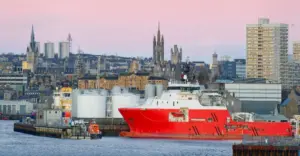
At the heart of the research is an examination of how the electricity needs of Scottish ports are changing as they take on increasingly complex roles in the green energy supply chain. No longer merely transit points for goods and passengers, these sites are now being asked to serve as the primary staging grounds for offshore wind manufacturing and assembly, as well as hubs for maritime decarbonisation. The report draws its findings from extensive interviews with representatives from 12 diverse Scottish ports and harbours, providing a granular look at the unique challenges and opportunities facing different regions. By engaging directly with port authorities, the researchers were able to identify a significant trend: while the shift toward green energy is universal, the specific electricity requirements of each port are highly distinct, dictated by their existing operations and their specific geographic advantages.
The driving force behind this surge in demand is identified as industrial growth, particularly in sectors that are adjacent to the energy industry. The report highlights that the assembly and manufacturing of offshore wind components are among the most energy-intensive activities currently driving the change in port requirements. As Scotland seeks to capitalise on its vast offshore wind potential, the ports located along its coastline must be equipped to handle the massive logistical and industrial demands of building, maintaining, and eventually decommissioning large-scale wind farms. This requires a level of electrical capacity that many existing port facilities were never designed to provide, creating a bottleneck that could stifle the country’s broader environmental and economic ambitions.
Industrial electrification is another key pillar of this shifting demand. As ports look to reduce their own carbon footprints, they are increasingly moving away from fossil-fuel-powered machinery and toward electric alternatives. This includes everything from the electrification of heavy-duty gantry cranes and cargo-handling equipment to the implementation of shore power solutions, often referred to as "cold ironing." Shore power allows vessels to plug into the local electricity grid while at berth, enabling them to turn off their auxiliary engines and significantly reduce emissions of carbon dioxide, nitrogen oxides, and particulate matter in coastal communities. However, the report makes it clear that providing high-voltage connections for multiple large vessels simultaneously requires a robust and flexible grid infrastructure that is currently lacking in many areas.
The consultancy’s recommendations are clear and urgent. Roadnight Taylor argues that ports must be more deeply embedded in strategic energy planning at both the national and regional levels. This involves moving away from a reactive model of infrastructure development and toward a more proactive, integrated approach. One of the primary hurdles identified is the slow pace of grid consents and connections. Under the current system, the process of securing the necessary permissions and physical links to the National Grid can be fraught with delays and uncertainty. The report calls for a streamlining of these processes, suggesting that clearer application routes and more transparent timelines are essential for ports to make informed investment decisions.