For those watching the news from abroad, the images of burning barricades and police cordons can be jarring. Having witnessed many large-scale gatherings over several years in France, it is clear that the current situation is exceptionally intense. However, it is essential for observers and travelers alike to distinguish between the vast majority of peaceful demonstrators exercising their democratic rights and the smaller groups involved in vandalism, violence, or looting. While the current magnitude is rare, instances of opportunistic violence have occasionally surfaced during past French protests, and even during moments of national celebration, such as major football victories.
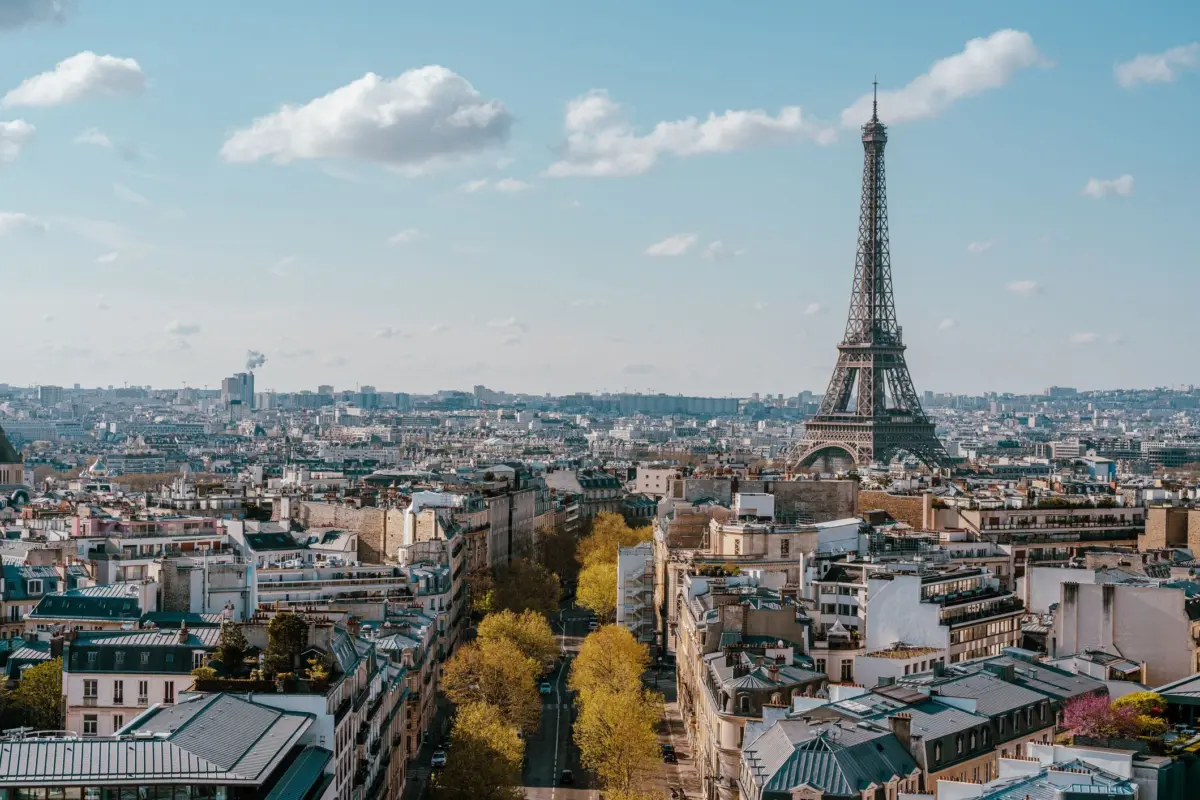
The central question for many remains: Is Paris—and France as a whole—currently a no-go zone? The answer is a definitive no. While certain streets and neighborhoods may experience temporary closures, heavy police presence, or the physical remnants of a demonstration, the disruption is rarely city-wide. Paris is a resilient metropolis, and it remains entirely possible to visit and enjoy the city’s many offerings, provided that travelers remain informed, maintain a high level of situational awareness, and are willing to be flexible with their itineraries. Navigating the city during such times requires a bit more foresight than usual, but the enduring beauty of Paris is that it always offers new corners to discover, even for those who have walked its streets for decades.
Choose your neighborhood wisely
When planning a trip to a major world capital, the instinct is often to book accommodations as close to the city center as possible. Under normal circumstances, being in the heart of the action is a benefit; however, during periods of heightened social unrest, this strategy can lead to unnecessary stress. In Paris, protests often gravitate toward large, symbolic public squares. To ensure a more peaceful stay, it is highly recommended to avoid booking hotels in the immediate vicinity of the Place de la République, Bastille, Nation, and Place de Clichy. These areas are frequent staging grounds for marches and are the most likely to see transport closures and heavy police activity.

Fortunately, Paris is a relatively compact city with an efficient transit layout, making it easy to navigate even if you are not staying in the dead center. During this period, the best strategy is to opt for quieter, more residential neighborhoods. The Rive Gauche (Left Bank) offers several excellent alternatives. The 15th, 14th, and 13th arrondissements are particularly well-suited for those seeking a calmer atmosphere.
The 15th arrondissement, in particular, is a hidden gem for travelers. It is home to a variety of charming boutique hotels that offer a more intimate and local experience than the large international chains found in the 1st or 8th arrondissements. Staying in this area also places you near some of the city’s most delightful but less-crowded cultural sites, such as the Musée Bourdelle, which provides a serene escape from the bustle of the more famous tourist hubs.
Stay informed
While many authorized demonstrations are planned and announced well in advance, the more volatile elements of social unrest, such as spontaneous gatherings or acts of vandalism, do not come with a prior warning. Therefore, staying updated with real-time information is the most effective way to ensure safety and minimize travel disruptions.