The reputation of the French people as fierce defenders of their social and civil rights is a cornerstone of the nation’s identity. It is a cultural phenomenon that often leaves international observers in awe, yet it is rooted in a very practical reality. The fact that a bachelor’s degree at a public university in France still costs approximately $200 is not a result of political benevolence; rather, it is the direct outcome of a population that historically refuses to yield when they perceive their rights or their future to be under threat. This spirit of resistance is currently manifesting in a significant wave of social unrest that has gripped the capital and several other regions across the country.
Since early September, France has seen a steady escalation of demonstrations. What began as a localized movement led by high school students has evolved into a much broader societal outcry. These students initially took to the streets to demand improved conditions within the education system, specifically targeting the lack of resources in suburban areas that are frequently overlooked by central institutions. However, the movement has since reached almost unprecedented proportions. Other sectors of the workforce and the general public have joined the students, creating a unified front against a mounting cost-of-living crisis, sharp hikes in fuel prices, and what many perceive as a systematic erosion of the nation’s social welfare net.
As the unrest enters a critical phase, the French government has been forced to implement more stringent security measures to maintain public order. The tension reached a peak on Monday, October 19, when the Préfecture de Police took the significant step of imposing an overnight curfew in key sections of central Paris. The restrictions, which run from 11 p.m. until 6 a.m. the following morning, specifically target areas around the Place de la République and Les Halles—locations that have historically served as the epicenter for both peaceful assembly and nighttime volatility. Alongside the curfew, authorities have enacted a temporary ban on public demonstrations in certain high-traffic areas of the capital to prevent further escalation.
The timeline for potential disruption remains extended. High school student organizations and their allies have already signaled that the movement is far from over, calling for additional days of action on October 22 and 24, with further protests scheduled for November 3 and 5. This schedule suggests that the possibility of significant disruption in the city will persist for several weeks, posing a challenge for both residents and those planning to visit the City of Light.
In response to the growing violence that has occasionally marred the demonstrations, the government is intensifying its diplomatic and economic efforts. Prime Minister Sébastien Lecornu has initiated a series of emergency talks, inviting representatives from major trade unions and business associations to the negotiating table. These discussions, which are scheduled to continue throughout the week, aim to address the underlying grievances while finding a path toward de-escalation.
Furthermore, the government is preparing a robust financial package to assist businesses that have suffered losses due to the unrest. Funding is also being earmarked for the immediate repair of public facilities and infrastructure damaged during the clashes. Simultaneously, an official inquiry has been launched into the management of the demonstrations. This investigation will scrutinize both the organization of the protests and the police response, as public debate continues to swirl regarding the adequacy and nature of security arrangements during the large-scale protests seen last Saturday.
For those watching the news from abroad, the images of burning barricades and police cordons can be jarring. Having witnessed many large-scale gatherings over several years in France, it is clear that the current situation is exceptionally intense. However, it is essential for observers and travelers alike to distinguish between the vast majority of peaceful demonstrators exercising their democratic rights and the smaller groups involved in vandalism, violence, or looting. While the current magnitude is rare, instances of opportunistic violence have occasionally surfaced during past French protests, and even during moments of national celebration, such as major football victories.
The central question for many remains: Is Paris—and France as a whole—currently a no-go zone? The answer is a definitive no. While certain streets and neighborhoods may experience temporary closures, heavy police presence, or the physical remnants of a demonstration, the disruption is rarely city-wide. Paris is a resilient metropolis, and it remains entirely possible to visit and enjoy the city’s many offerings, provided that travelers remain informed, maintain a high level of situational awareness, and are willing to be flexible with their itineraries. Navigating the city during such times requires a bit more foresight than usual, but the enduring beauty of Paris is that it always offers new corners to discover, even for those who have walked its streets for decades.
Choose your neighborhood wisely
When planning a trip to a major world capital, the instinct is often to book accommodations as close to the city center as possible. Under normal circumstances, being in the heart of the action is a benefit; however, during periods of heightened social unrest, this strategy can lead to unnecessary stress. In Paris, protests often gravitate toward large, symbolic public squares. To ensure a more peaceful stay, it is highly recommended to avoid booking hotels in the immediate vicinity of the Place de la République, Bastille, Nation, and Place de Clichy. These areas are frequent staging grounds for marches and are the most likely to see transport closures and heavy police activity.

Fortunately, Paris is a relatively compact city with an efficient transit layout, making it easy to navigate even if you are not staying in the dead center. During this period, the best strategy is to opt for quieter, more residential neighborhoods. The Rive Gauche (Left Bank) offers several excellent alternatives. The 15th, 14th, and 13th arrondissements are particularly well-suited for those seeking a calmer atmosphere.
The 15th arrondissement, in particular, is a hidden gem for travelers. It is home to a variety of charming boutique hotels that offer a more intimate and local experience than the large international chains found in the 1st or 8th arrondissements. Staying in this area also places you near some of the city’s most delightful but less-crowded cultural sites, such as the Musée Bourdelle, which provides a serene escape from the bustle of the more famous tourist hubs.
Stay informed
While many authorized demonstrations are planned and announced well in advance, the more volatile elements of social unrest, such as spontaneous gatherings or acts of vandalism, do not come with a prior warning. Therefore, staying updated with real-time information is the most effective way to ensure safety and minimize travel disruptions.
For information regarding the Paris Métro and broader public transport network, the Bonjour RATP website and mobile app are indispensable. They provide live updates on station closures and line interruptions, which are common during protest days. Additionally, the Préfecture de Police regularly publishes official bulletins regarding planned demonstrations, traffic restrictions, and specific security measures. Following their official channels can provide immediate, authoritative information that is vital for navigating the city safely.
Regarding general news coverage, Franceinfo and Le Monde are among the most reliable sources for keeping a pulse on the situation. While major outlets like Le Monde offer English-language versions of their websites, it is often beneficial to look at their French-language sections or use translation tools, as the local coverage is frequently updated with more granular details about specific street closures or evolving situations in different neighborhoods.
Keep your itinerary flexible
Flexibility is the hallmark of a successful trip during times of transition. While it may be disappointing to deviate from a long-planned itinerary, prioritizing safety and comfort will lead to a better overall experience. During the current wave of protests, it is advisable to avoid the immediate surroundings of major state institutions and world-famous landmarks that often become focal points for crowds. The Louvre and the Élysée Palace, for instance, are situated in areas that see significant security cordons and potential crowds.
Instead of the major "bucket list" items, consider this an opportunity to explore the city’s niche attractions and smaller, more specialized museums. These sites often offer a more profound and quiet connection to Parisian history and art without the logistical headaches of the larger monuments. In the 9th arrondissement, the Musée Gustave Moreau offers a stunning look into the world of the Symbolist painter in his former home and studio. Alternatively, the Musée Zadkine in the 6th arrondissement provides a beautiful, garden-set look at the work of sculptor Ossip Zadkine.
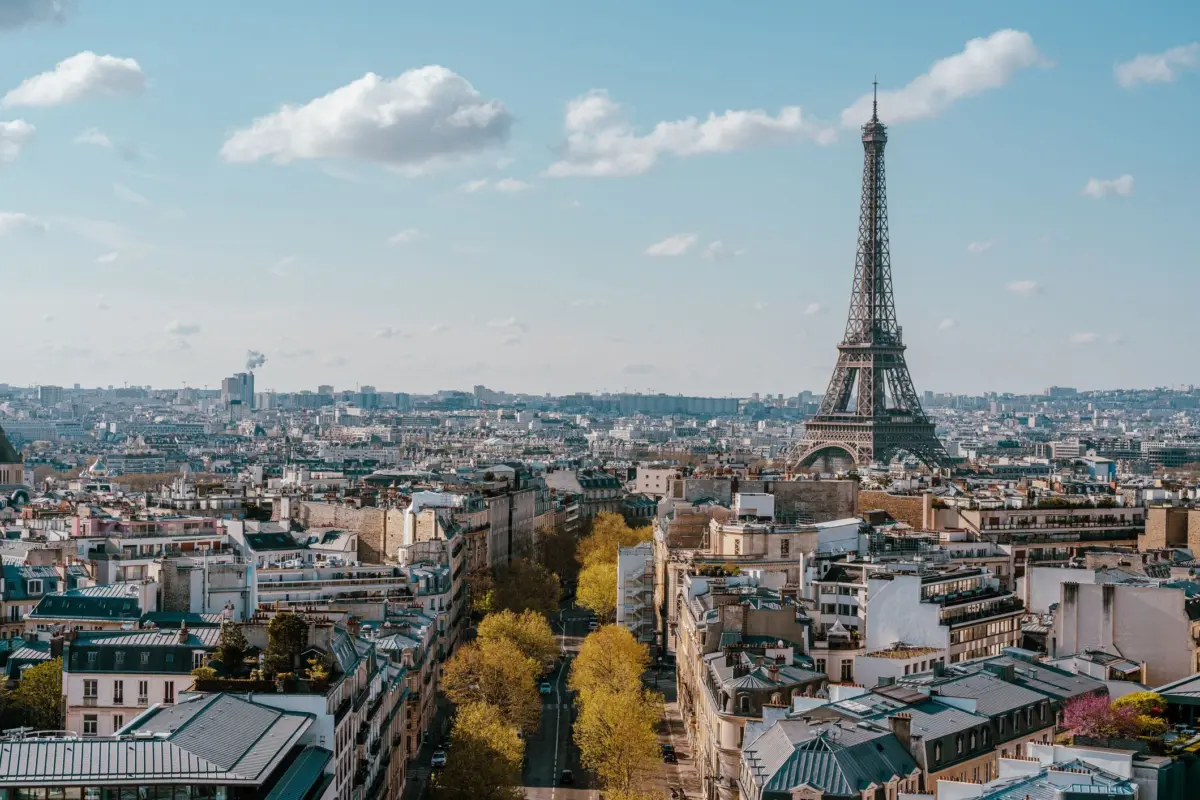
Even the most iconic sights can be enjoyed from a different perspective. While the Eiffel Tower remains open and continues to draw large crowds, those who feel uncomfortable in dense gatherings can still enjoy the monument’s grandeur from a distance. A walk along the Île aux Cygnes, a narrow man-made island in the Seine, offers a unique view that includes both the tower and a smaller replica of the Statue of Liberty. This vantage point allows for the quintessential Paris photo while remaining well away from the potential congestion of the Champ de Mars.
As the situation continues to evolve, the key for any visitor is to remain observant and adaptable. Paris remains a vibrant, world-class destination, and its current social dialogue is simply another chapter in its long and complex history. By choosing the right location, staying connected to local news, and embracing a more flexible approach to sightseeing, travelers can continue to experience the magic of the city while respecting the local context of the protests.